Blog

Top 10 Benefits of Sealing Concrete for Driveways, Patios, and Walkways

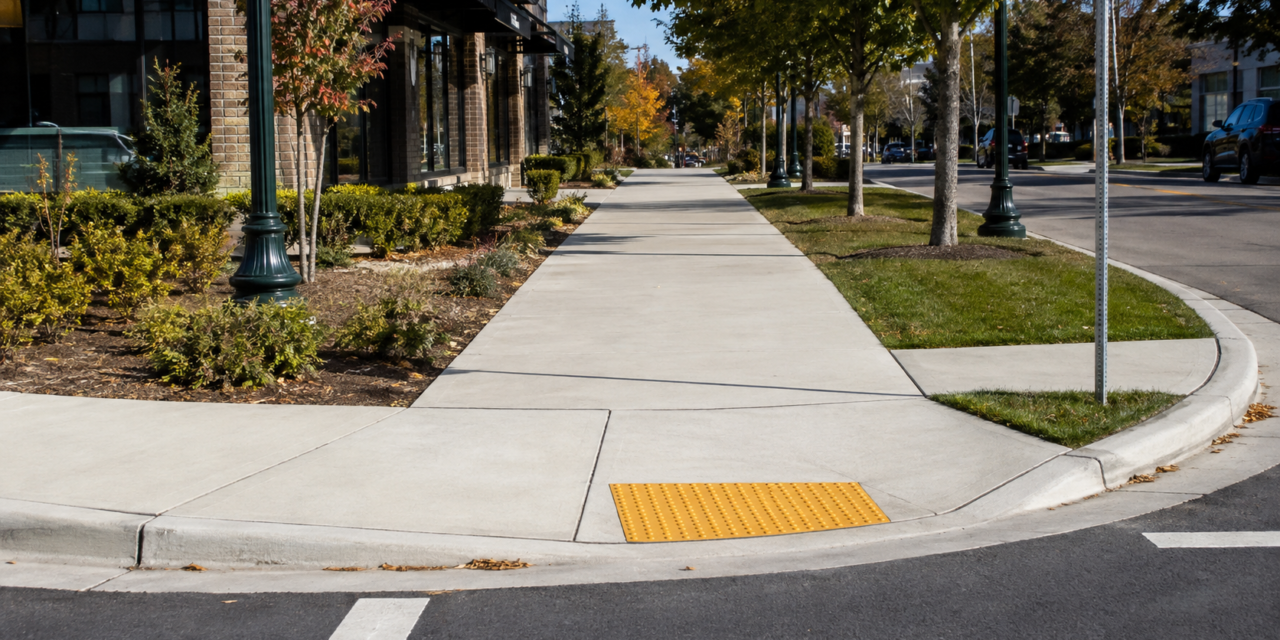
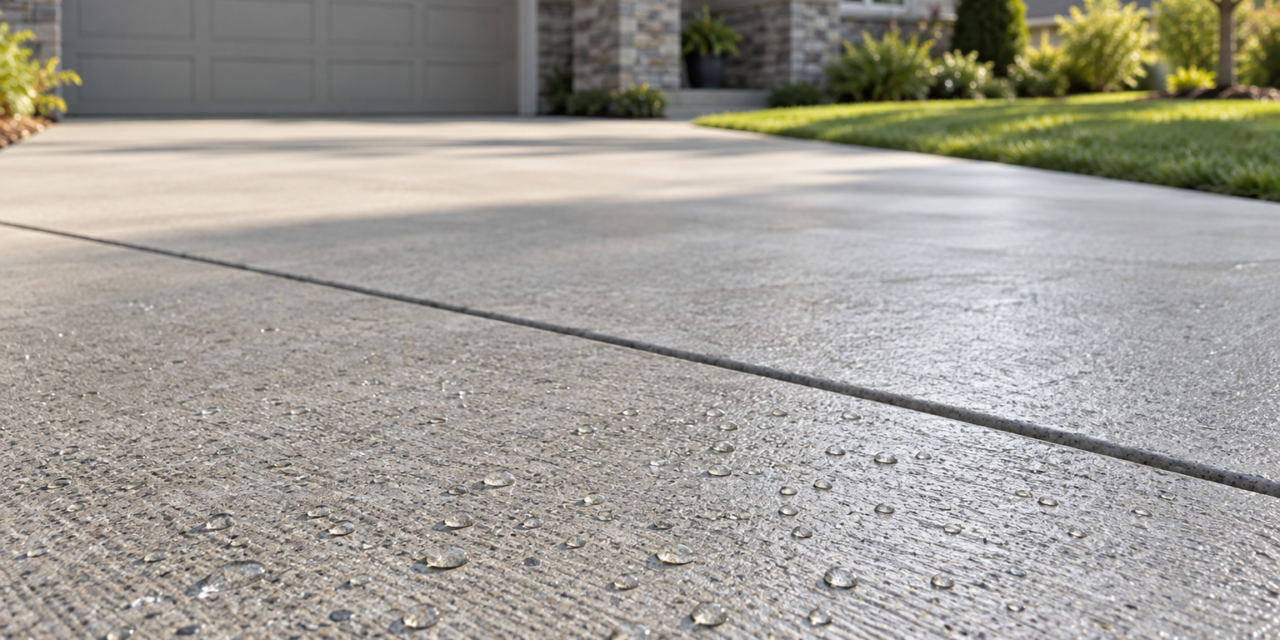
The benefits of sealing concrete go beyond simply improving appearance. Depending on the type of sealer used, concrete sealing can reduce moisture penetration, make stains easier to manage, protect against weather-related wear, and simplify ongoing maintenance. Understanding the benefits of concrete sealer can help homeowners and property managers determine whether sealing should be part of their long-term concrete maintenance strategy.
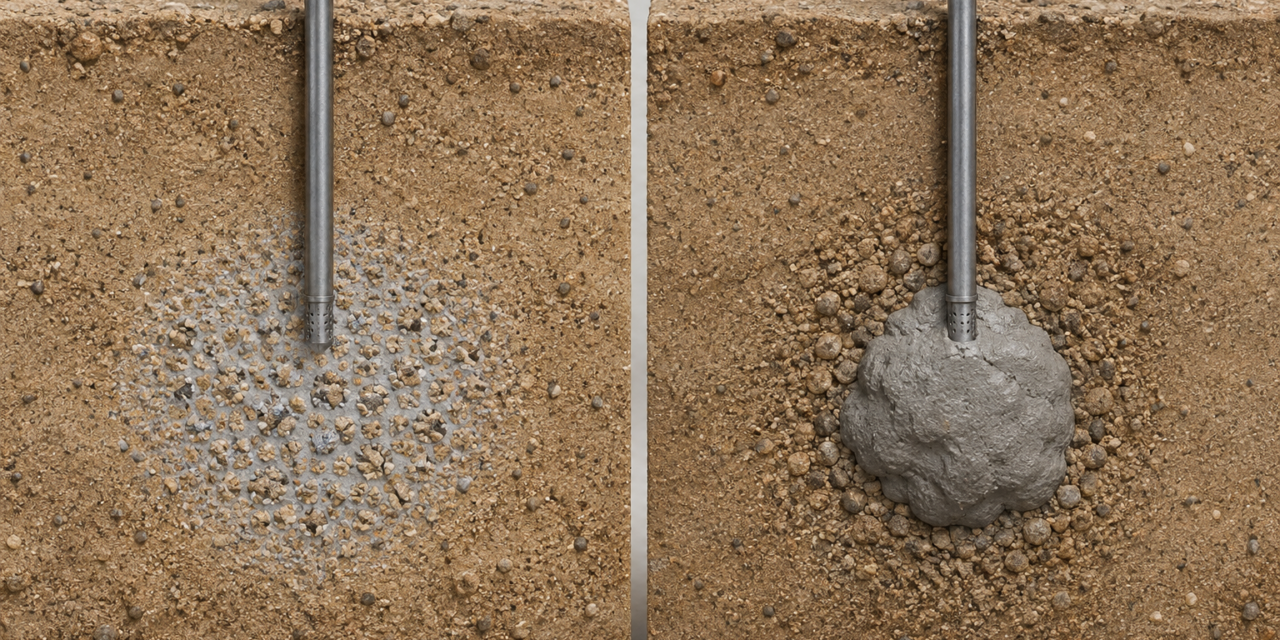
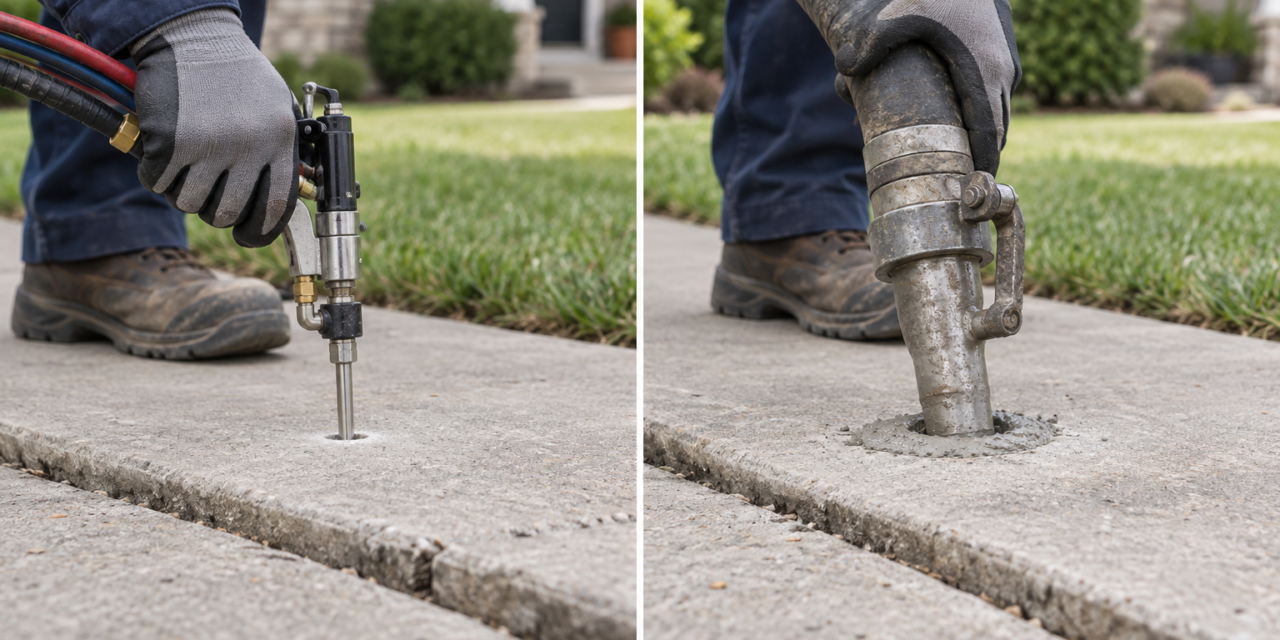
Permeation Grouting vs Compaction Grouting: What’s the Difference?

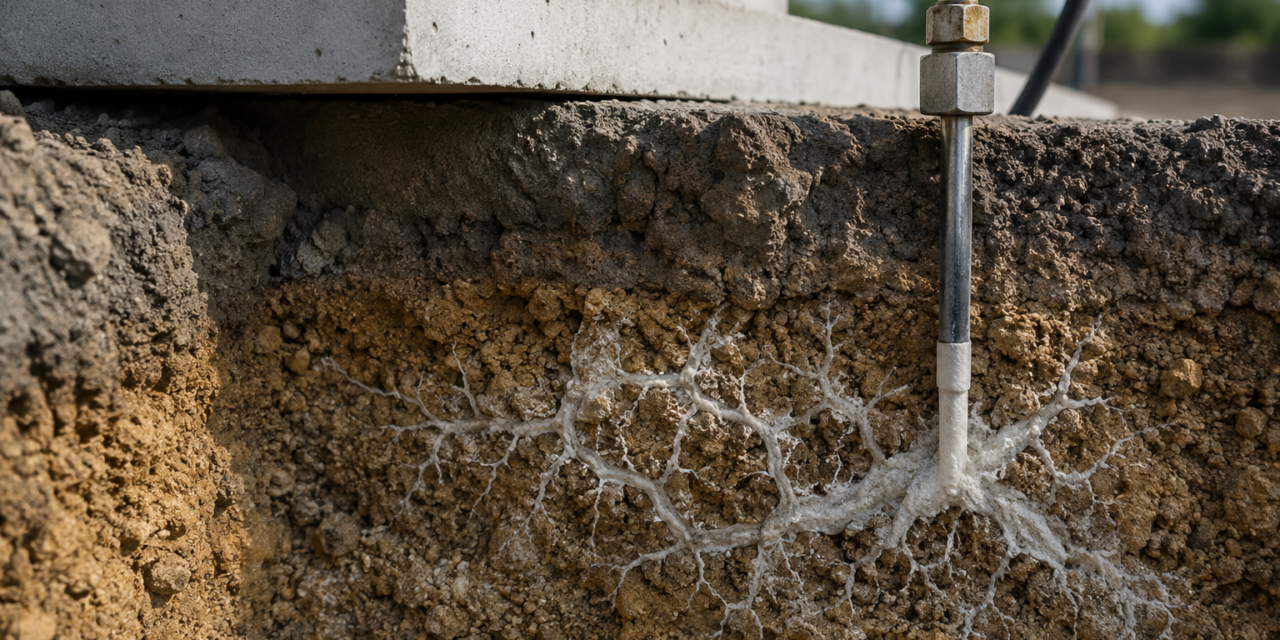
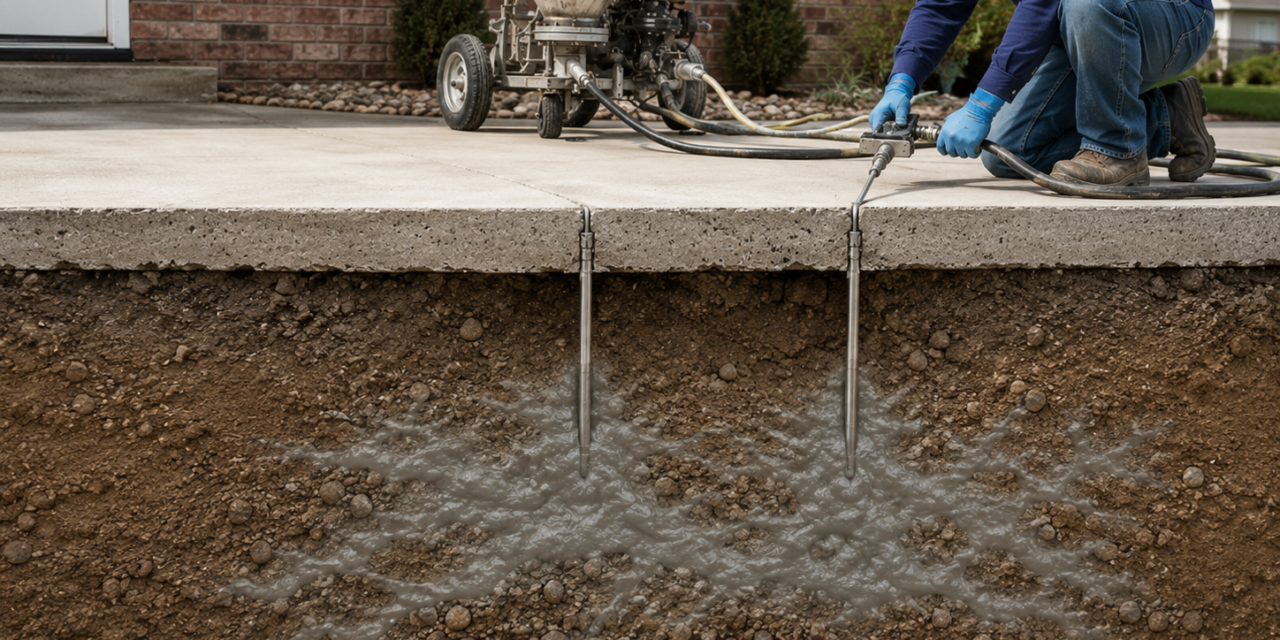
When soil cannot adequately support the loads placed on it, property owners may experience settlement, cracking, void formation, or other forms of structural movement. Grouting techniques can address these subsurface conditions by strengthening, densifying, or otherwise improving the soil without requiring extensive excavation. Understanding permeation grouting vs compaction grouting can help property owners, engineers, and contractors determine which technique is better suited to the soil conditions and objectives of a particular project.

The Hidden Dangers of Cracks in Concrete Slab Foundations: When Small Cracks Signal Bigger Problems

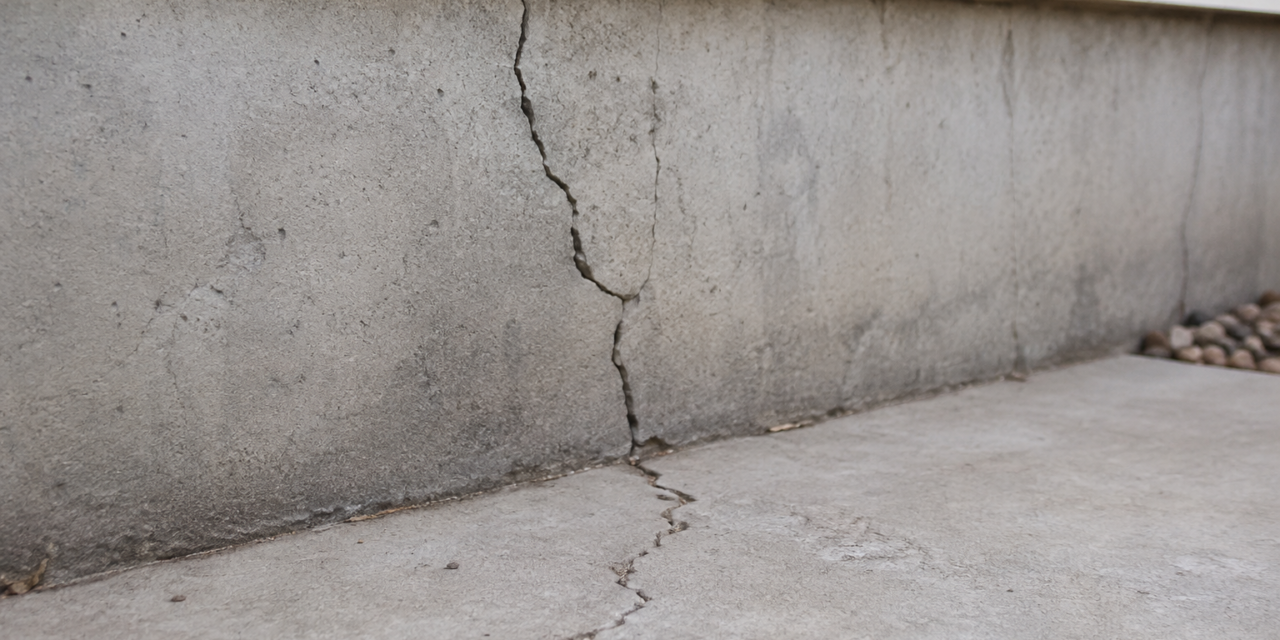
Concrete is known for its strength and durability, but it is not immune to cracking. In fact, some degree of cracking can occur as concrete cures, shrinks, ages, and responds to changing environmental conditions. The challenge for property owners is determining when cracks in concrete are relatively minor and when they are evidence of a more serious problem developing beneath the surface.

Comparing Concrete Lifting vs. Replacement: Why Lifting Wins 9/10 Times

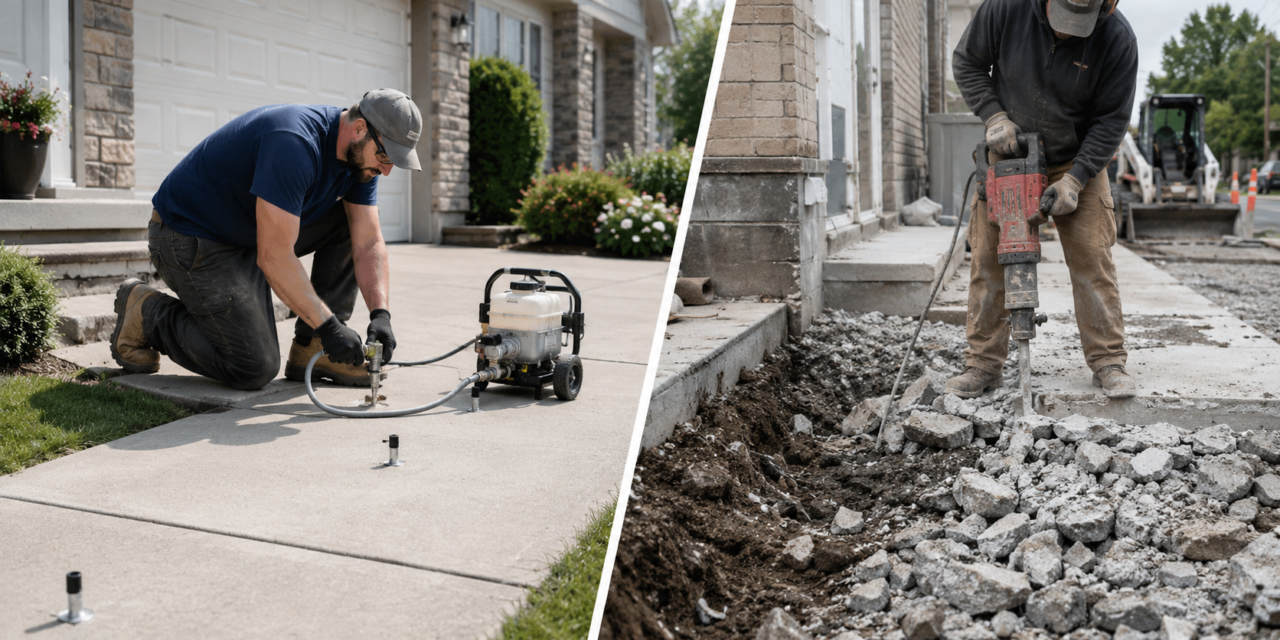
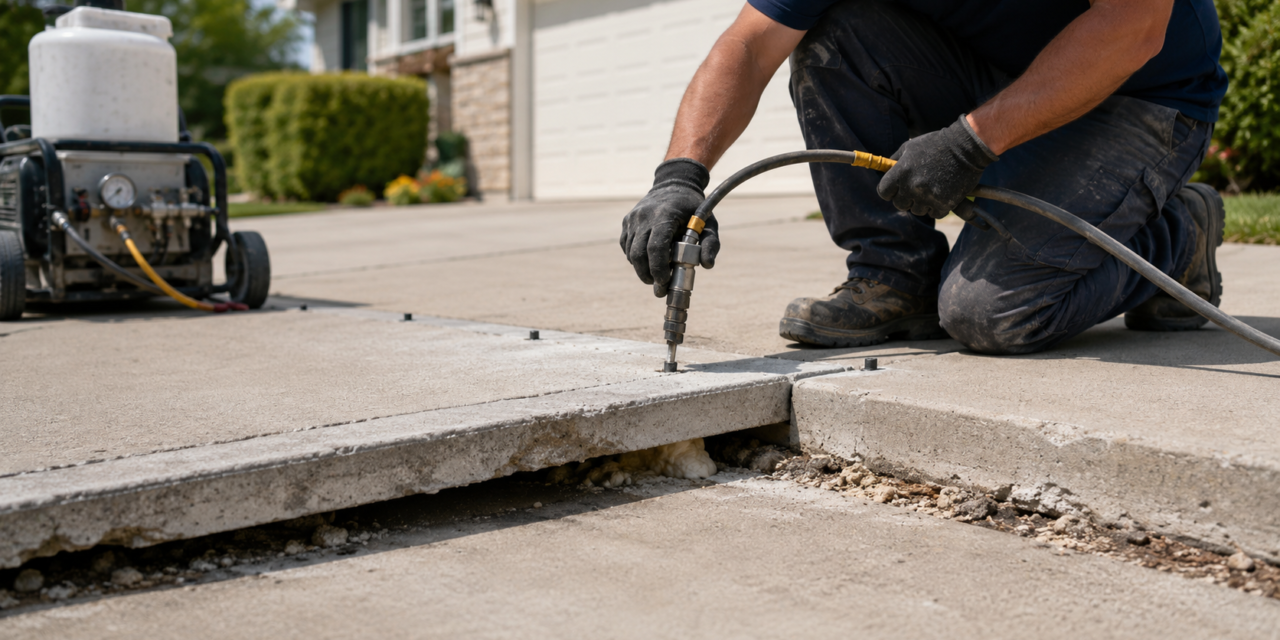
When property owners start comparing concrete lifting vs replacement, the question often becomes: should the existing slab be raised and stabilized, or should it be torn out and poured again? This guide compares concrete lifting vs concrete replacement in detail so you can better understand when lifting makes sense, when replacement may be necessary, and why lifting wins in most sunken concrete repair situations.

What Are the Best Concrete Repair Techniques for Uneven or Sinking Concrete?

The best concrete repair techniques depend on the cause of the damage, the condition of the slab, and the stability of the soil underneath. This guide explores common concrete repair techniques, including concrete lifting, grouting, crack repair, joint sealing, grinding, and void filling, while also explaining how concrete crack repair techniques can help protect surfaces from further deterioration.

Basement Foundation Waterproofing with Compaction Grouting: Stabilizing Soil Around Concrete Foundations

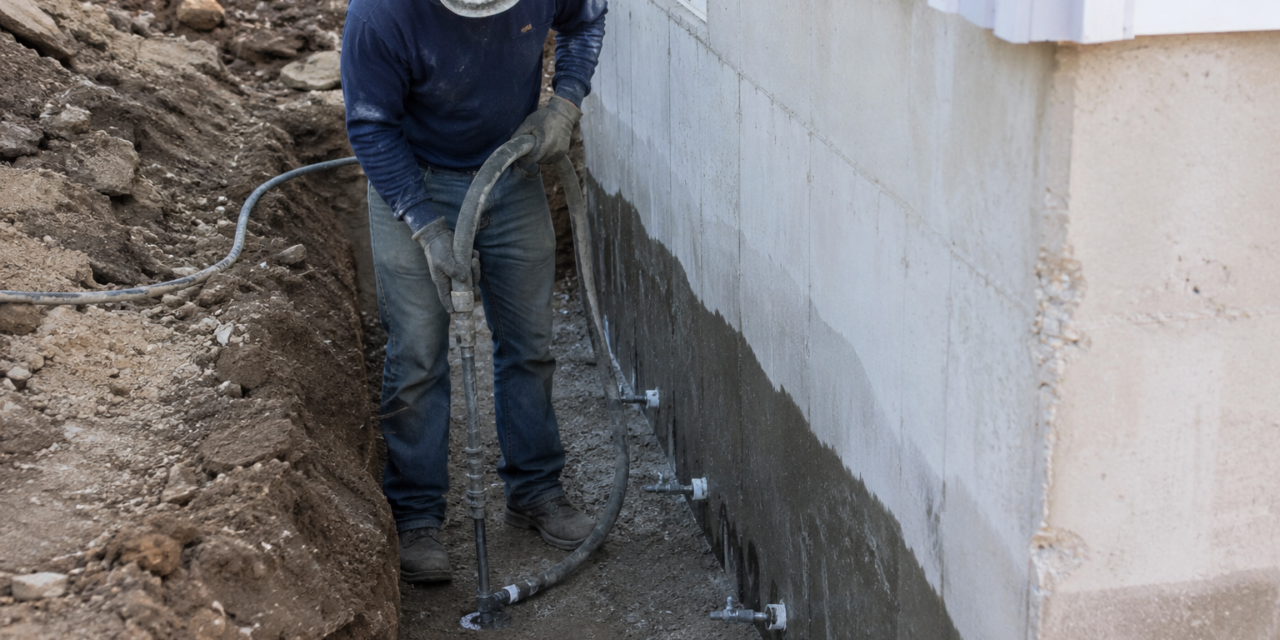
Basement foundation waterproofing is one of the most important steps homeowners and property owners can take to protect a concrete foundation from water intrusion, soil movement, and long-term structural damage. When moisture collects around basement walls, it can increase hydrostatic pressure, weaken surrounding soils, and create conditions that lead to cracking, settlement, bowing walls, and interior leaks.

What Is Compaction Grouting & How Does It Work to Stabilize Foundations?

Weak soil beneath a home, commercial building, driveway, sidewalk, or concrete slab can create serious structural problems over time. When the ground below a structure cannot properly support the weight above it, settlement, cracking, sinking concrete, and foundation movement may occur. One highly effective method for improving weak soil and restoring stability is compaction grouting.

Leave Us A Review Below:
Proud Member of:

CORPORATE OFFICE:

630 Valley Mall Parkway #431 East Wenatchee, WA 98802

Hours of Operation:

Monday – Friday: 8am-5pm

Saturday & Sunday: Closed

We have local branches serving Idaho and Washington.

Contractor License #SLABJG*833K2

Slabjack Geotechnical, 2024 © All Rights Reserved