
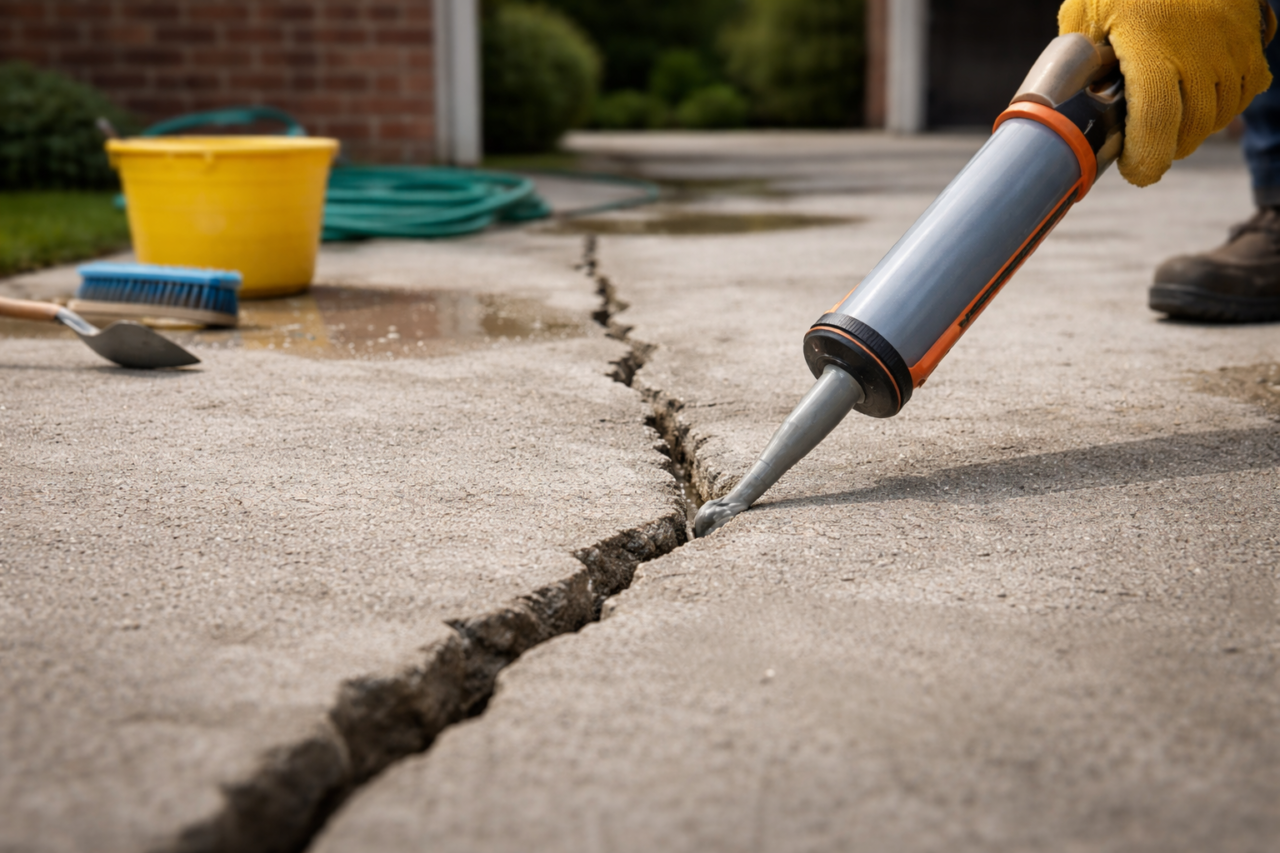
Concrete is known for its strength, but even durable surfaces can develop cracks over time. When those openings are left untreated, water can seep in, weaken the structure, and lead to larger repair issues. Understanding how to seal cracks in concrete is one of the most important steps property owners can take to protect driveways, sidewalks, patios, slabs, foundations, culverts, and other concrete surfaces from costly damage.
This guide explains how to seal cracks in concrete correctly, why early repair matters, and what to know about choosing the right repair method before water intrusion spreads.
Why It Is Important to Seal Cracks in Concrete Early
Small concrete cracks may not look serious at first, but they can quickly become entry points for moisture. Once water gets into the concrete, it can begin affecting the surrounding soil, base material, and the structure itself.
When you seal cracks in concrete early, you can help prevent:
- Water intrusion beneath slabs
- Soil erosion and void formation
- Freeze-thaw expansion damage
- Worsening surface deterioration
- Mold or moisture issues near foundations
- More expensive structural repairs later
In many cases, sealing cracks in concrete is not just about appearance. It is about stopping damage before it spreads and preserving the integrity of the surface.
Common Causes of Concrete Cracks
Before discussing how to seal cracks in concrete, it helps to understand why cracks happen in the first place. Concrete can crack for several reasons, including:
- Normal shrinkage during curing
- Settlement of the underlying soil
- Heavy loads or traffic
- Water infiltration and erosion below the slab
- Freeze-thaw cycles
- Improper drainage around the concrete
- Tree root pressure or soil movement
Some cracks are cosmetic, while others may indicate active movement or support loss. That is why proper inspection matters before any repair begins.
How to Seal Cracks in Concrete the Right Way
Understanding how to seal cracks in concrete starts with recognizing that not all repairs are the same. Surface-level crack filling may be appropriate in some cases, but where water intrusion, settlement, or structural movement are involved, more advanced repair methods are often needed.
A successful repair strategy should accomplish two goals:
- Seal the crack to limit water penetration
- Correct or stabilize the conditions that caused the crack
That is why professional concrete repair companies often recommend a combination of repair methods depending on the severity and location of the damage.
Professional Methods for Sealing Cracks in Concrete
There are several proven approaches to sealing cracks in concrete, each suited to different site conditions and damage patterns. The right solution depends on whether the issue is limited to the crack itself or connected to voids, sinking, leaks, or ongoing movement.
Concrete Crack Repair
Professional concrete crack repair focuses on sealing the damaged area with materials and techniques designed for long-term performance. This method is commonly used when the goal is to block water infiltration, protect surrounding concrete, and restore surface integrity.

Concrete crack repair may be appropriate for:
- Cracked sidewalks and driveways
- Warehouse or industrial slabs
- Concrete pads and flatwork
- Foundation-related cracking
- Exterior concrete exposed to weather and runoff
When done properly, concrete crack repair can help stop water from entering the slab and reduce the risk of continued deterioration.
Joint Sealing Repair
In many cases, the issue is not only the crack itself but also failed or aging joints. Joint sealing repair helps protect the spaces designed to accommodate movement between sections of concrete. When joints deteriorate, water can penetrate beneath the slab and contribute to settlement, erosion, and edge damage.

Joint sealing repair is especially valuable for:
- Parking lots
- Sidewalks
- Drive lanes
- Industrial concrete floors
- Municipal concrete infrastructure
As part of a broader strategy for sealing cracks in concrete, joint sealing can play a major role in helping control moisture intrusion.
Slabjacking and Concrete Raising
If cracking is accompanied by sinking or uneven concrete, sealing the crack alone may not be enough. In those situations, Slabjacking (concrete raising) can be an effective way to lift and realign settled concrete while restoring support beneath the slab.

This method is often used for:
- Uneven sidewalks
- Sunken driveways
- Settled patios
- Warehouse floors
- Concrete slabs affected by soil movement
By correcting elevation issues and stabilizing the slab, slabjacking helps support a more complete and longer-lasting repair.
Pressure Grouting
Pressure grouting is a valuable repair method when water has created voids or weakened soils beneath concrete surfaces or structures. This process helps fill empty spaces and improve support below the concrete, which can reduce continued settlement and water-related instability.
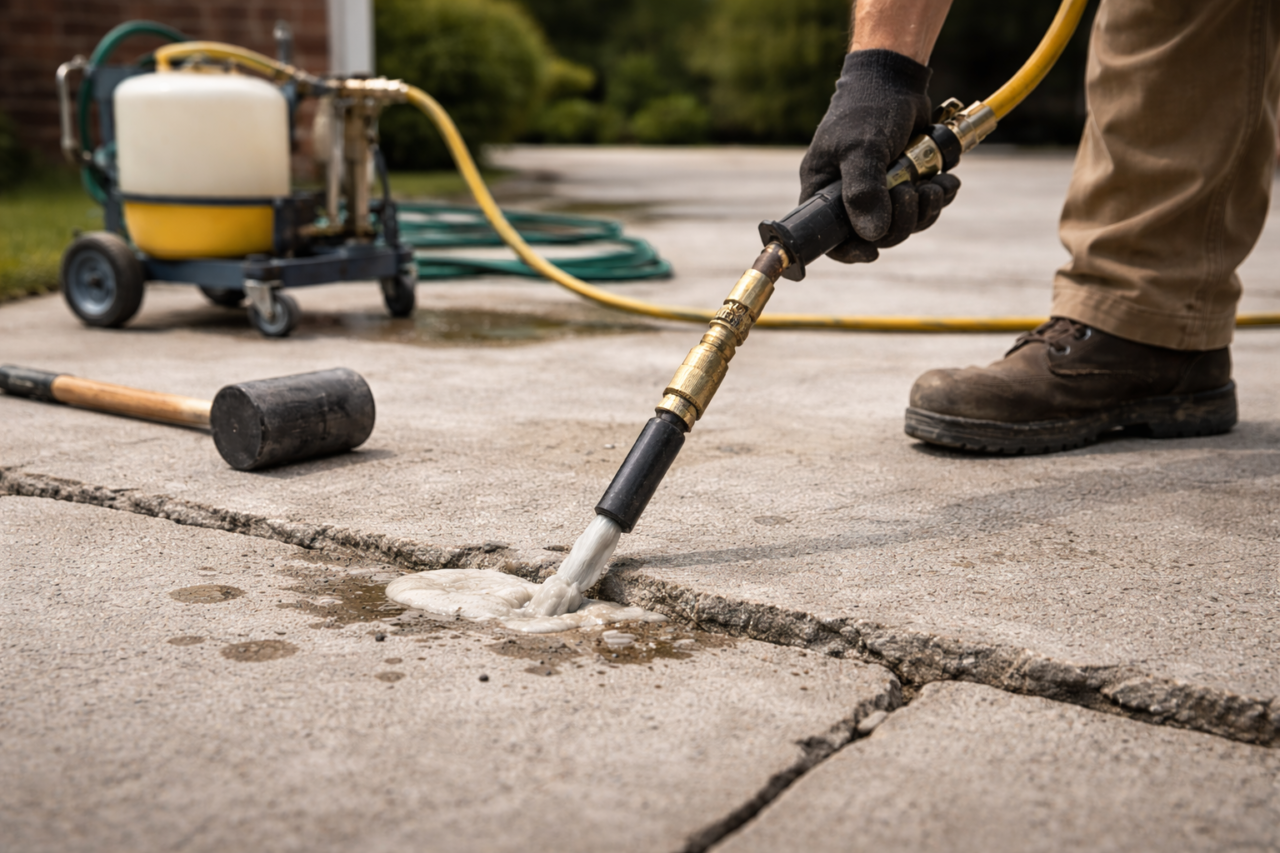
Pressure grouting may be recommended for:
- Supporting slabs with underlying voids
- Stabilizing concrete affected by erosion
- Treating washout beneath roadways or flatwork
- Repairing concrete near drainage structures
In scenarios where how to seal cracks in concrete involves deeper subsurface concerns, pressure grouting can be an important part of the solution.
Void Filling
Voids beneath concrete are a common but often hidden cause of cracking and settlement. If these gaps are not addressed, surface repairs alone may fail over time. Void filling helps restore support beneath the slab and can work alongside crack repair and lifting methods to create a more stable result.
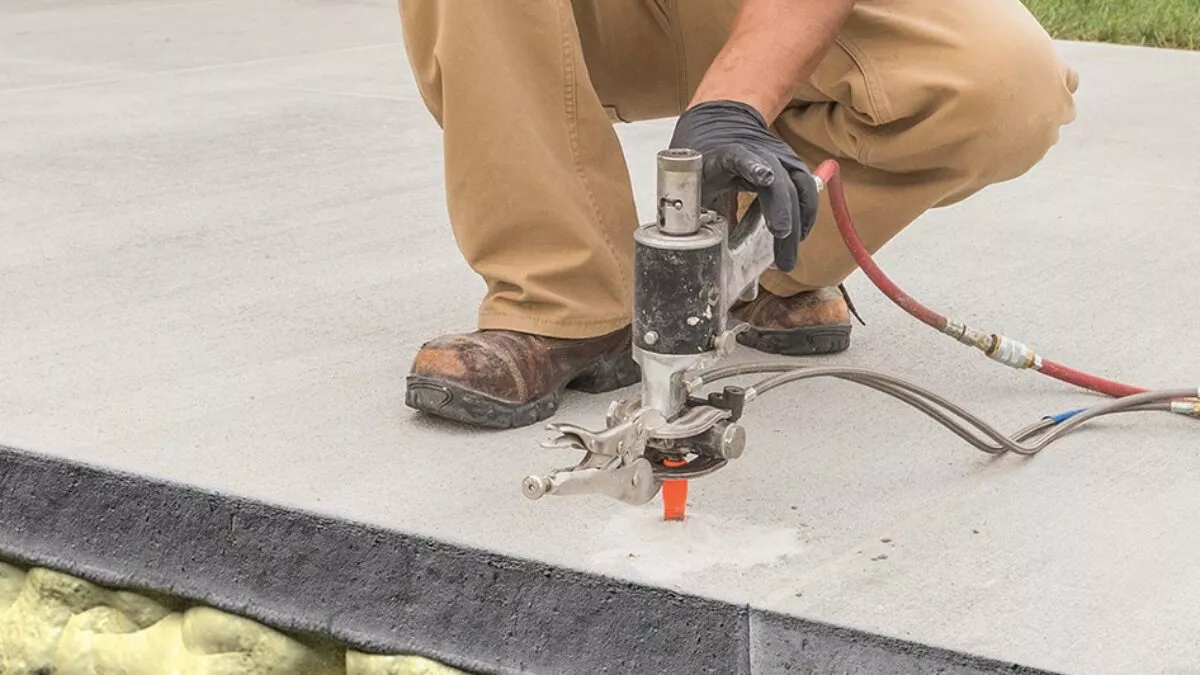
Void filling is particularly useful when there are signs of:
- Hollow spots beneath slabs
- Settlement from soil erosion
- Repeated cracking in the same area
- Water migration under concrete surfaces
Concrete Grinding
Concrete grinding is another important repair service, particularly when cracking or settlement has contributed to trip hazards, rough transitions, or surface irregularities. While it does not replace structural repair where support loss exists, grinding can be an effective way to improve safety and surface performance in targeted areas.
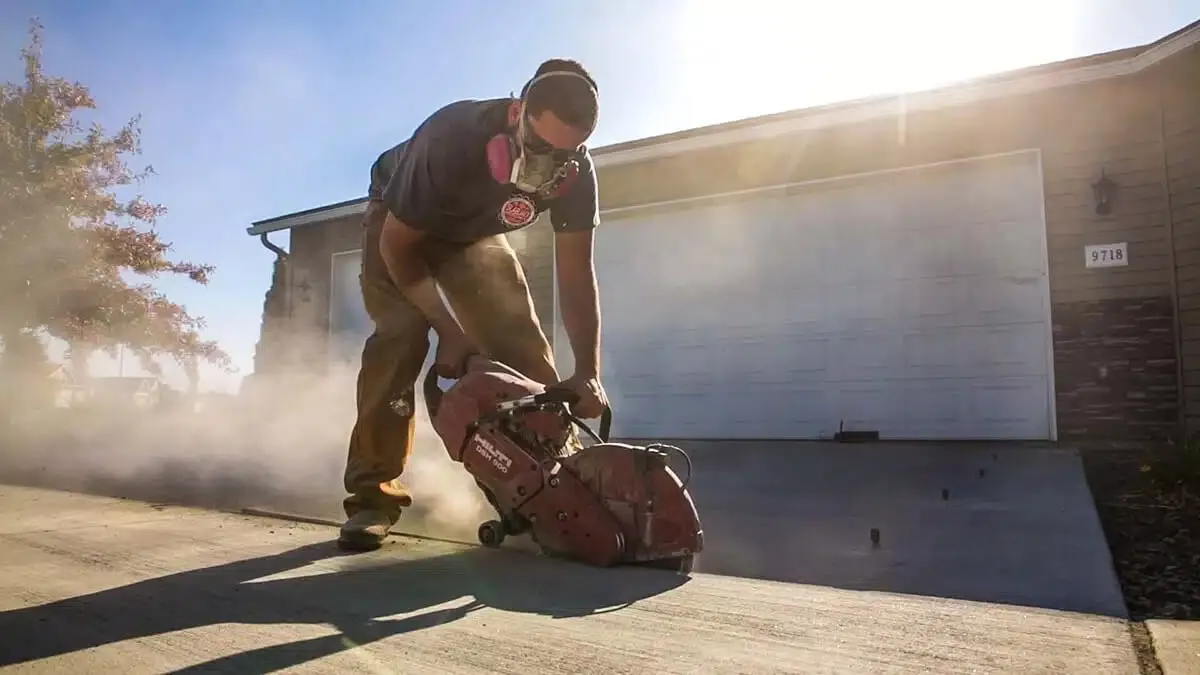
Concrete grinding is often used for:
- Raised edges
- Uneven walking surfaces
- Hazard reduction
- Surface preparation before additional repair work
Sealing Cracks in Concrete for Water Control Structures
Concrete repair is not limited to slabs, sidewalks, and foundations. Water-related concrete structures also require specialized repair methods when leaks and cracking develop. Sealing cracks in concrete is especially important in infrastructure that is designed to carry, manage, or contain water.
Professional repair solutions may be used to seal and restore:
- Leaking culverts
- Large-diameter pipes
- Concrete ditches
- Drainage channels
- Other concrete water control structures
When these systems begin leaking, prompt repair can help reduce water loss, prevent surrounding soil erosion, and protect the service life of the structure.
Why Geo-Polymer Injection Is a Modern Concrete Repair Solution
One of the most advanced methods used in concrete stabilization and repair today is geo-polymer injection. This approach is designed to lift, support, and stabilize concrete with accuracy and minimal disruption. It can be a strong solution for properties dealing with settlement, voids, or loss of support below slabs and structures.
Benefits of geo-polymer injection may include:
- Precision lifting and stabilization
- Reduced disruption to surrounding areas
- Fast application
- Support for void filling and settlement correction
- Effective performance in a range of repair environments
When sealing cracks in concrete must be paired with slab stabilization or support restoration, geo-polymer injection offers a modern and highly effective repair option.
When Professional Concrete Repair Is the Better Choice
Some cracks may appear minor on the surface, but the real problem often lies below. When cracking is connected to settlement, leaking joints, voids, or water intrusion, professional repair is typically the most reliable path forward.
A professional concrete repair company can help determine:
- Why the concrete cracked
- Whether water damage is spreading beneath the surface
- If the slab has lost support
- Which repair methods will provide the most lasting result
- Whether lifting, grouting, void filling, or sealing should be combined
This broader approach is what separates temporary fixes from long-term solutions.
About Slabjack Geotechnical
At Slabjack Geotechnical, we are a family-owned and operated full-service concrete repair company serving Washington and Northern Idaho. We provide a wide range of specialized concrete services to address foundation settlement issues, concrete instability, and water-related damage. Our capabilities include Slabjacking (concrete raising), pressure grouting, concrete grinding, void filling, concrete crack repair, and joint sealing repair.
We also seal leaking culverts, large-diameter pipes, and concrete ditches for clients dealing with challenging infrastructure and drainage problems. To help property owners and municipalities achieve long-lasting results, we proudly promote our geo-polymer injection method as an advanced solution for lifting, stabilizing, and supporting concrete with efficiency and precision.

Contact Slabjack Geotechnical for Concrete Crack Repair and Waterproofing Solutions
If you are dealing with cracking, settlement, leaks, or signs of water damage, professional repair can make all the difference. Understanding how to seal cracks in concrete is important, but the most effective results often come from choosing the right repair method for the actual cause of the problem.
Contact Slabjack Geotechnical today to learn more about our concrete repair services or to request a quote. Our team is ready to help with proven solutions for seal cracks in concrete, stabilization, waterproofing, and long-term concrete repair.
FAQs
What happens if cracks in concrete are not repaired?
If cracks are left untreated, water can continue entering the concrete and the soils beneath it. This can lead to worsening cracks, sinking slabs, surface deterioration, and more extensive repair needs over time.
Can water damage spread through cracked concrete?
Yes, water can move through cracked concrete and travel beneath slabs or into surrounding soils. This can weaken support conditions, create voids, and increase the risk of settlement and ongoing deterioration.
When should I call a professional for concrete crack repair?
You should contact a professional if the crack is widening, leaking, recurring, or associated with sinking or uneven concrete. Professional evaluation is also recommended when cracks appear in culverts, pipes, ditches, foundations, or other structures exposed to ongoing water intrusion.
What is the best method for sealing cracks in concrete?
The best method for sealing cracks in concrete depends on the size of the crack, the cause of the damage, and whether water has affected the area below the surface. Common professional solutions include concrete crack repair, joint sealing, pressure grouting, void filling, and slab stabilization.