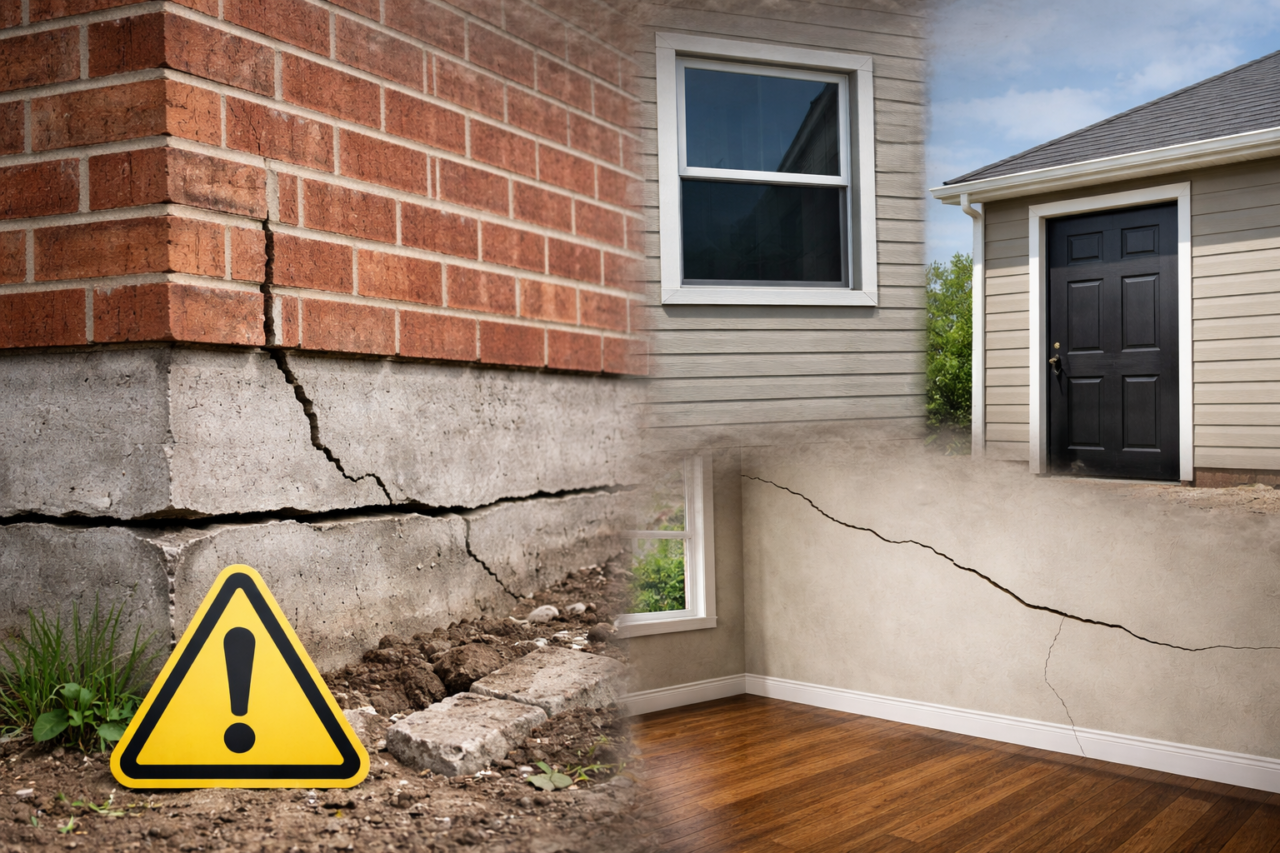
Foundation settlement is one of the most important structural issues property owners should catch early. When a foundation begins to shift, sink, or settle unevenly, it can affect everything above it, including walls, floors, doors, windows, and exterior concrete surfaces. Left unaddressed, small symptoms can grow into major structural damage, costly repairs, and long-term safety concerns. Certain signs and telltale signs—such as cracks in walls, uneven floors, or gaps around doors and windows—can serve as early indicators of foundation settlement.
Understanding the signs of foundation settlement can help homeowners, property managers, and commercial property owners act quickly before damage becomes more severe. Because a foundation supports the entire structure, a home’s foundation ensures stability and safety for everyone inside. In this article, we will explain the common causes of foundation settlement, highlight the top early warning signs to watch for, and explore foundation settlement repair options that can restore long-term stability. If you notice any of these signs, immediate attention is crucial to prevent further damage and protect your property.
What Is Foundation Settlement?
Foundation settlement occurs when the soil beneath or around a structure can no longer properly support the weight of the building or slab above it. The home’s foundation is crucial for maintaining structural stability, and any compromise can lead to significant issues. As the supporting ground shifts, compresses, erodes, or weakens, the foundation may sink or move unevenly. Some minor settlement can occur naturally over time—this natural settling is a normal process that typically happens gradually as the soil beneath a structure compacts and adjusts to the weight of the building. Uniform settling usually doesn’t compromise a building’s safety, but substantial settling may affect plumbing connections. However, excessive or uneven movement is a warning sign that should never be ignored.
Because a foundation supports the entire structure, even small changes in elevation can create visible problems throughout the property. That is why early detection of the signs of foundation settlement is so important.
Common Reasons for Foundation Settlement
There are several factors that can contribute to foundation settlement. These factors can lead to settling problems, including uneven settling, which may result in structural damage if not addressed. In many cases, the issue is tied directly to unstable or changing soil conditions beneath the structure. Building on stable soil is crucial to prevent future foundation issues and ensure the long-term stability of the building.
Poor Soil Compaction
If the soil was not properly compacted before construction, improper soil compaction can occur. Poorly compacted soil may compress over time under the weight of the structure, and this poorly compacted condition creates voids or uneven support that can lead to settlement. Improper soil compaction can lead to foundation settling.
Moisture Changes in the Soil
Too much water can soften supporting soils, while prolonged dry conditions can cause certain soils to shrink due to changes in moisture content and moisture levels. Soil moisture changes occur from droughts causing clay soil to shrink, and heavy rain reducing the soil’s load-bearing capacity. These moisture fluctuations often lead to movement beneath foundations, slabs, and surrounding concrete.
Erosion and Washout
Water intrusion, drainage problems, leaking utilities, or runoff can wash away soil beneath a foundation. Drainage systems are essential for preventing water intrusion and erosion, which can lead to soil instability and threaten the foundation’s stability. When support is lost, portions of the structure may begin to sink. Identifying and correcting drainage problems is the first step in any foundation repair, and it is important to regularly check for drainage issues around your foundation to prevent water accumulation.
Expansive or Weak Soils
Some soil types naturally expand when wet and contract when dry. Others may simply lack the bearing capacity needed to support the structure over time. Both conditions can contribute to foundation settlement.
Tree Roots and Vegetation
Large trees and heavy vegetation near a structure can draw moisture out of the soil, causing shrinkage and soil movement that affects foundation stability. Tree roots can absorb moisture from the soil or grow underneath the foundation, causing uneven settling.
Aging Infrastructure and Heavy Loads
Over time, years of structural loading combined with changing ground conditions can cause foundations, slabs, and surrounding concrete to settle or shift.
Importance of Regular Inspection
Regular inspection of your home’s foundation is essential for catching early warning signs of foundation settling before they escalate into major foundation problems. Over time, even minor foundation issues can compromise the structural integrity of the entire building, leading to uneven floors, sticking doors and windows, and visible cracks in walls or ceilings. By scheduling routine inspections, homeowners can identify subtle signs of foundation movement—such as hairline cracks or doors that suddenly stick—before they develop into more severe structural damage.
A professional assessment is invaluable in determining the root cause of any foundation issues and recommending the most effective repair options. Experts can spot warning signs that may go unnoticed by the untrained eye and provide guidance on how to address foundation settling promptly. Prioritizing regular inspections not only helps maintain your home’s foundation but also protects your investment by preventing costly repairs down the line. Staying proactive ensures your foundation remains stable and secure, safeguarding your home’s structural integrity for years to come.
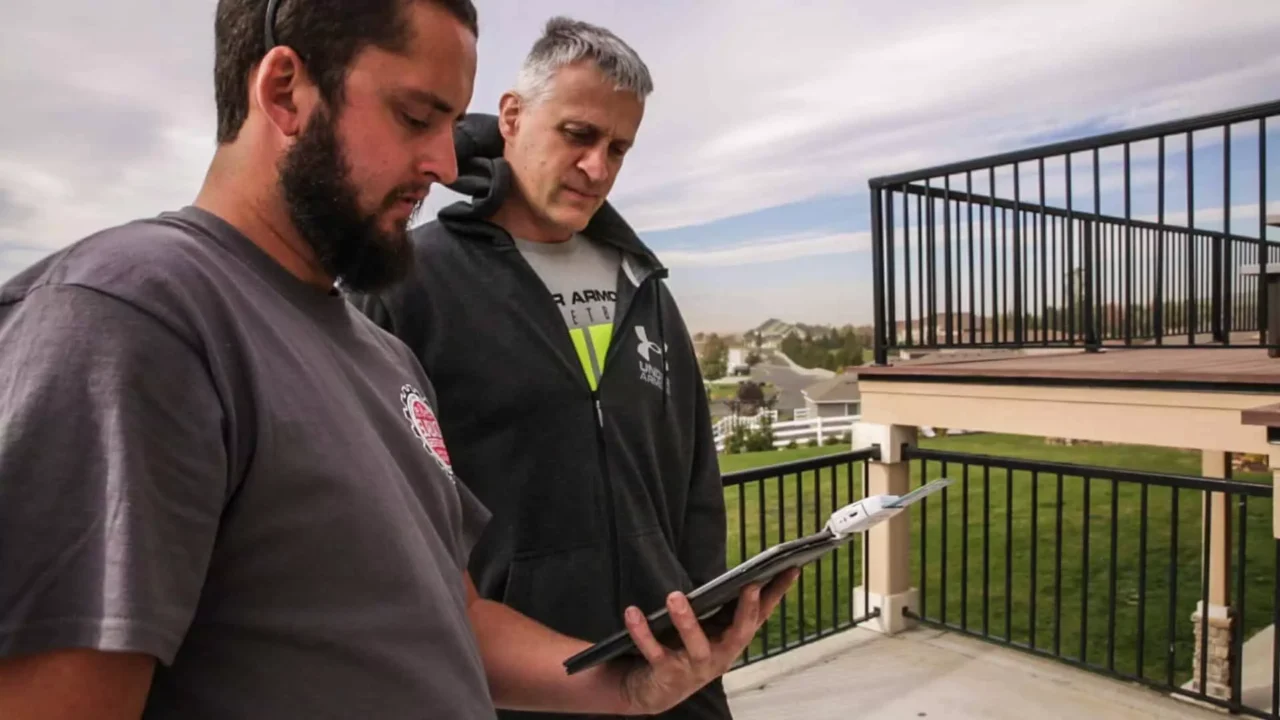
Top 5 Early Warning Signs of Foundation Settlement Issues
Recognizing the early signs of foundation settlement can make all the difference in preventing extensive structural damage. Here are five of the most common warning signs to watch for.
1. Cracks in Walls, Ceilings, or Floors
One of the clearest warning signs of foundation settlement is cracking. When a foundation shifts, stress travels through the structure and often appears as visible cracks in interior walls, ceilings, drywall, tile, or concrete floors. Cracked walls are a common consequence of foundation settling and can lead to uneven floors and structural damage if not promptly repaired.
Hairline cracks are not always serious, but foundation cracks—especially those that are wide, uneven, or horizontal—should be carefully identified, as different types can indicate serious underlying issues like settling or pressure on the foundation walls. Vertical or diagonal cracks in exterior brick, concrete walls, or drywall, often appearing in a stair-step pattern, are indicators of foundation settlement. Stair-step cracking in brickwork or masonry is a strong indicator of foundation settling. When cracks appear alongside other movement-related symptoms, they should be professionally evaluated.
2. Doors and Windows That Stick or Will Not Close Properly
If doors and windows suddenly become difficult to open, close, or latch, the structure may be shifting out of alignment. Cracks or gaps may also appear around door frames and window frames as a result of foundation movement. Uneven foundation settlement can distort frames, causing doors to rub, windows to jam, or gaps to form around openings.
Many property owners first notice settlement through these subtle functionality problems before visible structural damage becomes obvious. Issues with windows and doors, such as sticking windows, are common signs of foundation settlement. Nail pops can also occur when drywall shifts due to foundation settlement, causing nails to protrude.
3. Uneven or Sloping Floors
Floors that feel sloped, uneven, or bouncy can signal settlement beneath the structure. Uneven settling, often caused by factors like tree roots or poorly compacted soil, can lead to instability and further foundation damage. In slab-on-grade construction, sections of the concrete may sink due to soil movement or voids underneath. In other structures, support systems may shift as the foundation settles.
Even minor floor irregularities can be early signs of foundation settlement, especially when paired with cracking or separation in surrounding materials, which can put your home’s structural integrity at risk.
4. Gaps Around Walls, Trim, or Exterior Features
When a foundation settles, parts of the structure can pull apart. This may create gaps between walls and ceilings, separation around baseboards or crown molding, or visible spaces around exterior brick, siding, or trim. Visible signs like these, along with certain signs such as cracks or separations, are important indicators of foundation movement.
These changes often happen gradually, which is why they are easy to overlook. However, growing separation in finished materials is a strong indicator that movement may be occurring below.
5. Sunken Exterior Concrete or Surrounding Flatwork
Foundation settlement problems are not always limited to the main structure. Sidewalks, driveways, patios, garage floors, warehouse slabs, and other exterior concrete surfaces may also begin to sink if the underlying soil shifts or erodes. Crawl space areas can also be affected by settlement and may require repair to prevent moisture problems and maintain home stability.
Sunken flatwork can point to the same soil instability affecting the foundation itself. Slab jacking is a foundation repair method used to stabilize the soil and lift uneven or sunken slabs. Addressing these issues early can help prevent water intrusion, trip hazards, and additional settlement-related damage.
Why You Should Address Foundation Settlement Early
Ignoring the signs of foundation settlement can lead to much more serious and expensive problems over time. What begins as a small crack or a sticking door may eventually progress into major structural movement, water intrusion, damaged utility lines, and larger repair needs.
Early action offers several advantages:
- It helps prevent more extensive structural damage.
- It reduces long-term repair costs.
- It improves property safety and performance.
- It protects the value of the home or commercial building.
- It allows targeted foundation settlement repair before conditions worsen.
The earlier the underlying issue is diagnosed, the better the chances of restoring support and stability efficiently. Seeking professional attention is essential, as a professional assessment is crucial when foundation issues are suspected to determine the severity and necessary repairs.
Foundation Settlement Repair Options for Lasting Stability
The right foundation settlement repair approach depends on the cause, severity, and location of the problem. Because no two properties are exactly alike, repair methods should be selected based on site conditions and the specific type of settlement taking place.
Slabjacking for Settled Concrete
Slabjacking, also known as concrete raising, is a highly effective method for lifting sunken concrete slabs. This process helps restore proper elevation and support without the cost and disruption of full replacement. It is commonly used for sidewalks, driveways, warehouse floors, patios, and other slab surfaces affected by settlement.
Geo-Polymer Injection
Geo-polymer injection is an advanced repair solution that can be used to stabilize soil, fill voids, and lift settled concrete with precision. This method is lightweight, efficient, and minimally invasive, making it an excellent option for many foundation settlement repair applications. It can help improve underlying support while reducing downtime for the property owner.
Pressure Grouting
Pressure grouting is used to fill underground voids and strengthen weak supporting soils. By injecting grout into the affected area, this method can help restore support beneath slabs, structures, and concrete surfaces.
Compaction Grouting
Compaction grouting is a foundation settlement repair method used to densify loose or weak soils beneath a structure. By injecting a stiff grout material into the ground, this process compacts surrounding soils, reduces settlement potential, and improves the load-bearing capacity needed for better long-term support.
Permeation Grouting
Permeation grouting is used when grout needs to penetrate the soil without significantly disturbing the surrounding ground. This foundation settlement repair method helps strengthen granular soils, reduce water infiltration, and improve subsurface stability, making it a valuable option for certain structures affected by foundation settlement.
Void Filling
When erosion or soil washout creates empty spaces beneath concrete or structural elements, void filling helps restore support and reduce the risk of further movement.
Crack Repair and Joint Sealing
Concrete crack repair and joint sealing are important supporting services that help protect structures from water intrusion and further deterioration. While they may not correct deep settlement by themselves, they are often part of a broader repair and preservation strategy.
About Slabjack Geotechnical
At Slabjack Geotechnical, we are a family-owned and operated full-service concrete repair company proudly serving Washington and Northern Idaho. We provide a wide range of concrete services designed to address foundation settlement and related structural support issues, including slabjacking (concrete raising), pressure grouting, compaction and permeation grouting, concrete grinding, void filling, concrete crack repair, and joint sealing repair. We also seal leaking culverts, large-diameter pipes, and concrete ditches.
Our team is committed to delivering durable, cost-effective solutions that restore safety, stability, and performance. One of our most innovative solutions is our geo-polymer injection method, which offers a precise, minimally invasive approach for lifting settled concrete, filling voids, and improving long-term support.
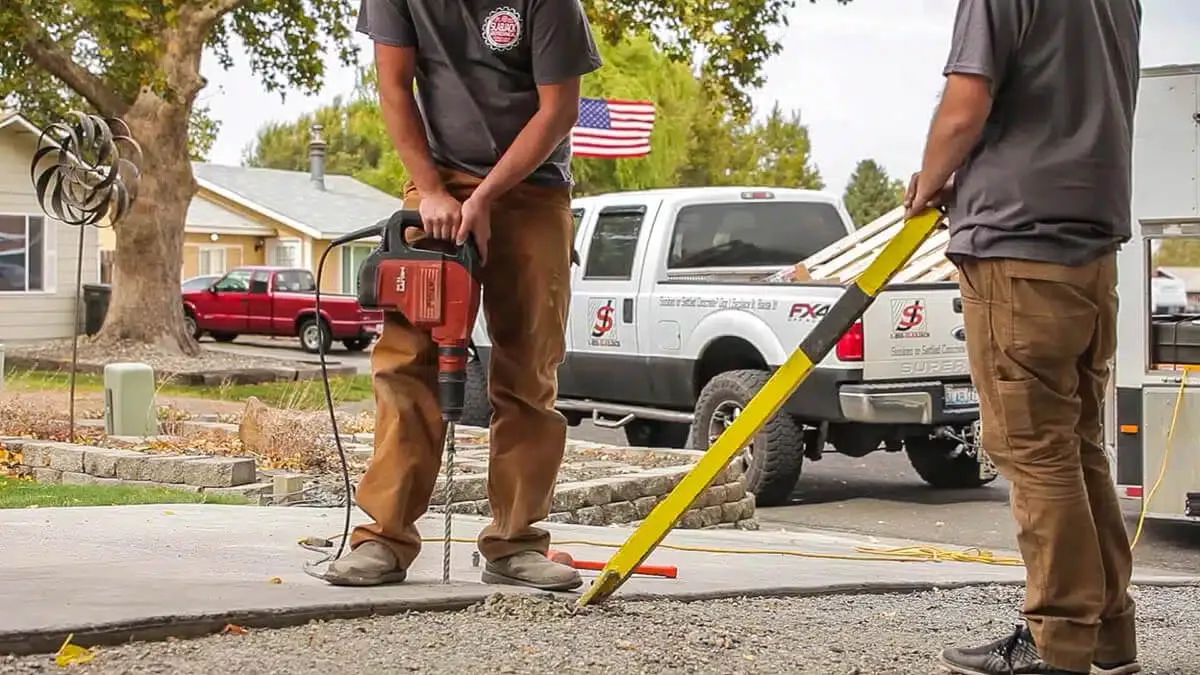
Protect Your Structure with Early Foundation Settlement Repair
Cracks, sticking doors and windows, sloping floors, visible gaps, and sunken concrete can all point to underlying support problems that should be addressed as soon as possible. By understanding what causes foundation settlement and exploring the right foundation settlement repair options, property owners can protect their structures and avoid more serious repairs later.
If you have noticed any signs of foundation settlement on your property, contact Slabjack Geotechnical today to learn more about our proven concrete repair solutions. Our team is ready to help you restore stability, protect your investment, and find the right foundation settlement repair approach for lasting results.
FAQs
What are the most common signs of foundation settlement?
The most common signs of foundation settlement include wall cracks, uneven floors, sticking doors and windows, gaps around trim or ceilings, and sunken exterior concrete. These are considered telltale signs of foundation settlement. Additionally, a tilting chimney is another important indicator, as a leaning or tilting chimney can signal serious foundation issues and should be addressed promptly. These issues often appear gradually, which is why early inspection is important to prevent more serious damage.
What causes foundation settlement in homes and commercial buildings?
Foundation settlement is often caused by poor soil compaction, erosion, moisture changes, weak soils, drainage issues, or voids beneath the structure. Over time, these conditions can reduce support and cause the foundation to shift or sink unevenly.
Can foundation settlement get worse over time?
Foundation settlement can absolutely worsen over time when the underlying cause is not corrected. Ongoing soil movement, erosion, or moisture problems can continue to affect support beneath the structure and increase repair costs.
What are the best foundation settlement repair options?
The best foundation settlement repair option depends on the cause and severity of the issue. Common solutions include slabjacking, geo-polymer injection, pressure grouting, void filling, crack repair, and joint sealing to restore support and improve long-term stability.