
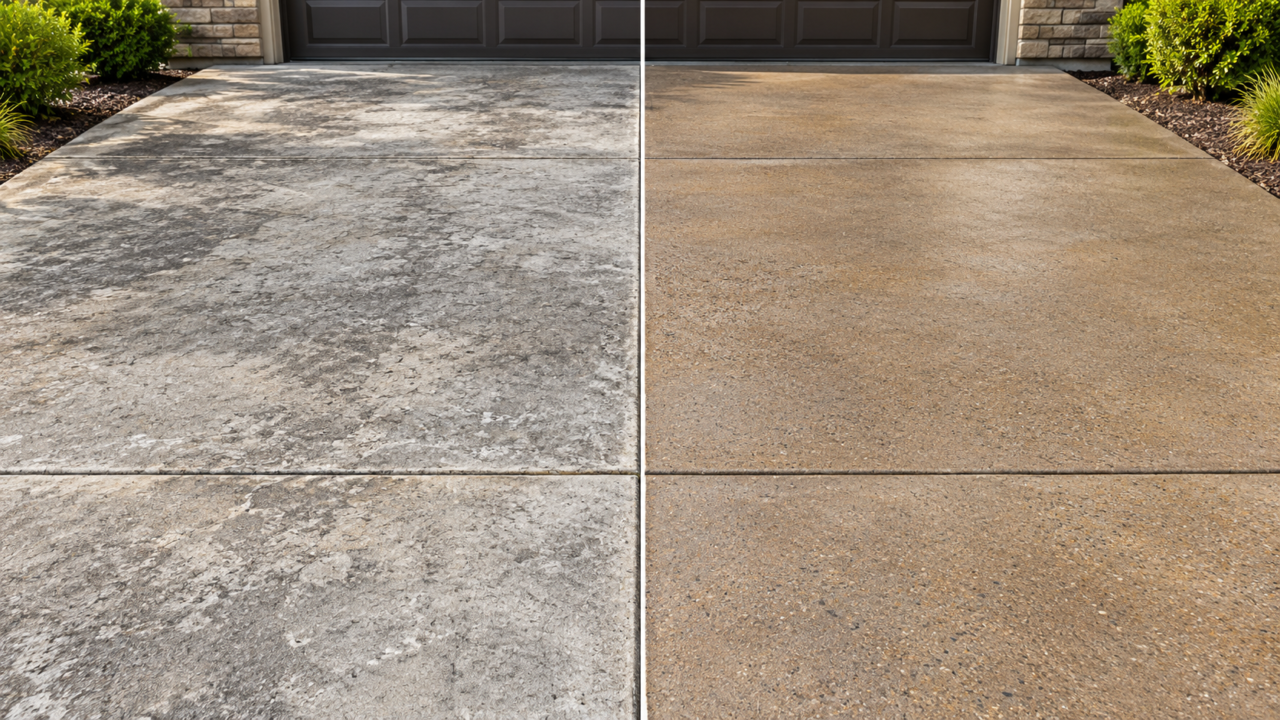
Concrete is built to withstand years of use, but constant exposure to weather, moisture, traffic, stains, and seasonal temperature changes can gradually leave a surface looking faded and worn. Professional sealing can help protect the concrete while refreshing its overall appearance and making ongoing maintenance easier. Looking at concrete sealing before and after examples is one of the best ways to understand the visual difference that sealing can make.
From weathered driveways and patios to walkways and other exterior concrete, a properly selected sealer can enhance the surface and provide a protective barrier against future exposure. By comparing sealed concrete before and after treatment, property owners can see how a relatively straightforward maintenance service can help renew existing concrete without replacing the slab.
What Does Concrete Sealing Do?
Concrete is naturally porous, meaning water and other substances can penetrate its surface. Over time, repeated exposure to moisture, dirt, chemicals, freeze-thaw cycles, and general wear may contribute to staining, discoloration, surface deterioration, and an increasingly dull appearance.
Concrete sealer creates a protective layer or barrier that helps reduce the amount of moisture and contaminants that enter the concrete. Depending on the product and finish selected, sealing may also enhance the color and appearance of the surface.
Professional concrete sealing can help:
- Reduce moisture penetration
- Protect against staining and contaminants
- Make concrete easier to clean
- Enhance faded or dull surfaces
- Reduce weather-related wear
- Extend the useful life of existing concrete
- Maintain a cleaner, more finished appearance
The exact results will depend on the concrete’s age, condition, finish, previous treatments, and the type of sealer used.
Concrete Sealing Before and After: Faded Driveways
Driveways experience some of the heaviest wear around a residential property. Vehicles, sunlight, precipitation, road contaminants, and seasonal weather can gradually leave concrete looking faded and uneven in appearance.
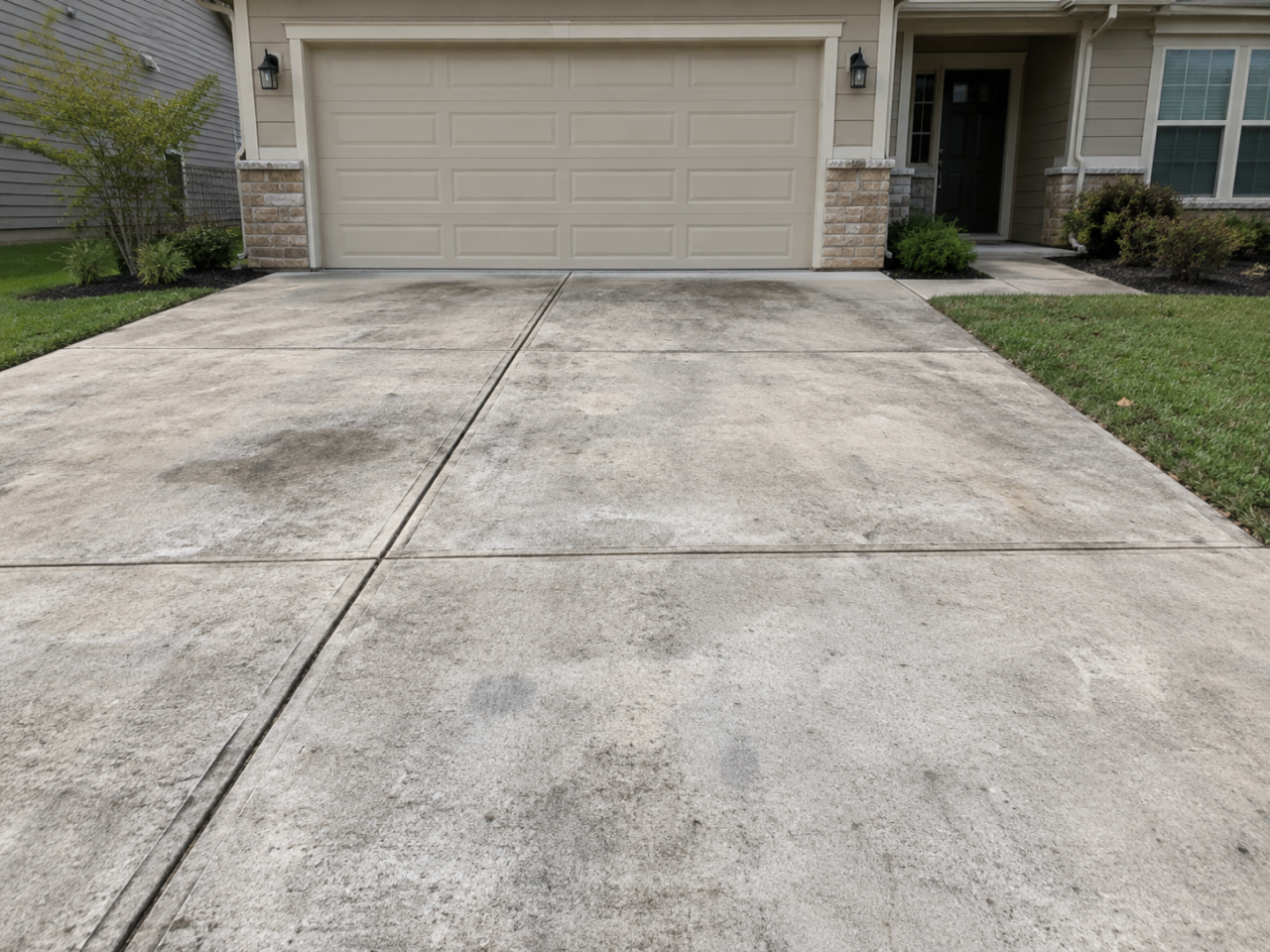
Before Concrete Sealing
Before sealing, an older driveway may appear dry, faded, or noticeably lighter than it did when originally installed. Dirt and environmental contaminants can become embedded in the porous surface, while years of exposure may make the concrete appear dull and weathered.
Common conditions before sealing include:
- Faded or washed-out appearance
- Visible surface staining
- Dull coloration
- Uneven weathering
- Increased moisture absorption
After Concrete Sealing
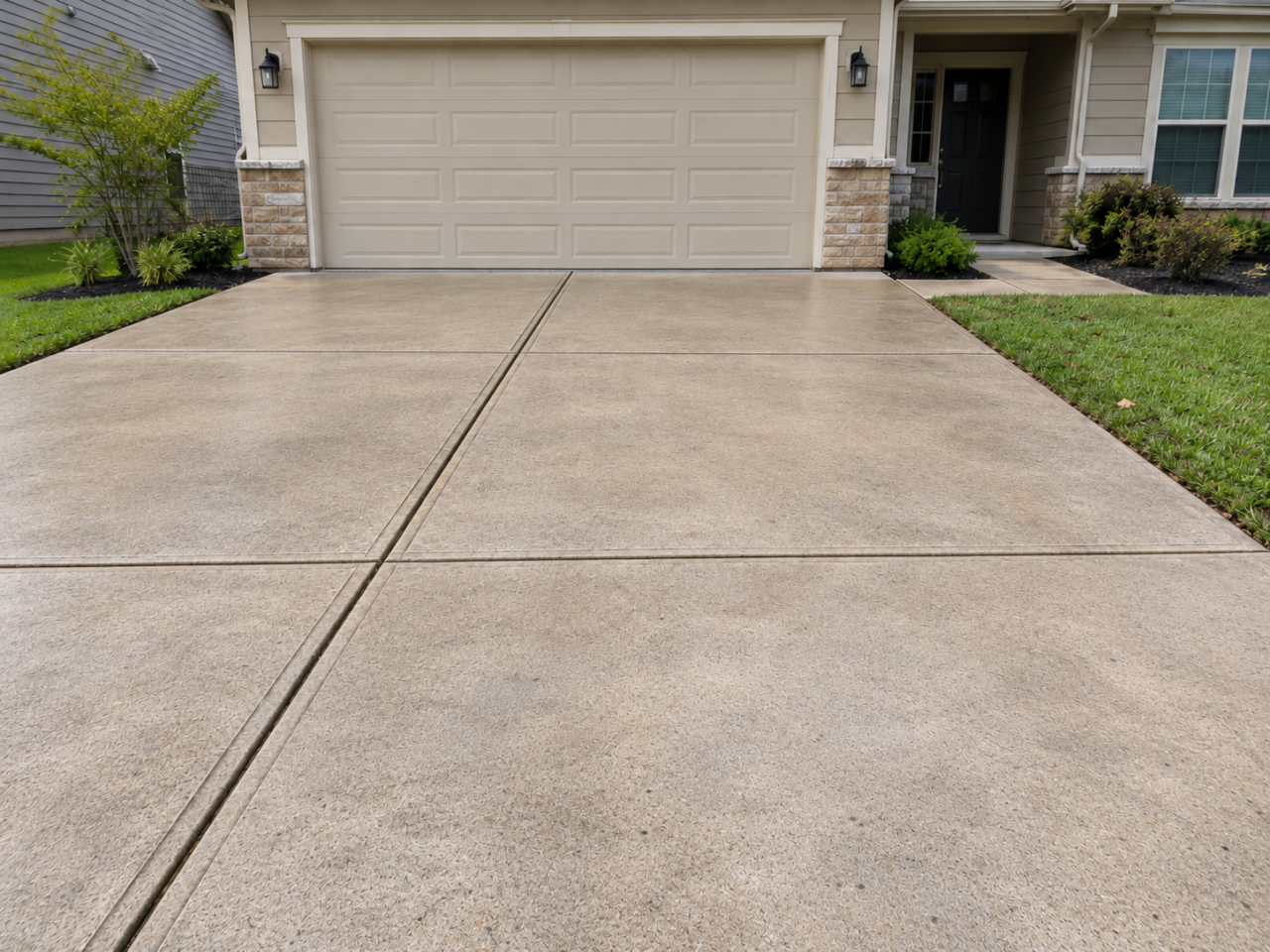
After proper cleaning, preparation, and sealing, the driveway may have a cleaner and more uniform appearance. Depending on the sealer used, the natural color of the concrete can become more noticeable while the newly protected surface is better equipped to resist moisture and staining.
Common improvements after sealing include:
- Refreshed surface appearance
- More consistent coloration
- Reduced moisture penetration
- Improved stain resistance
- Cleaner, finished appearance
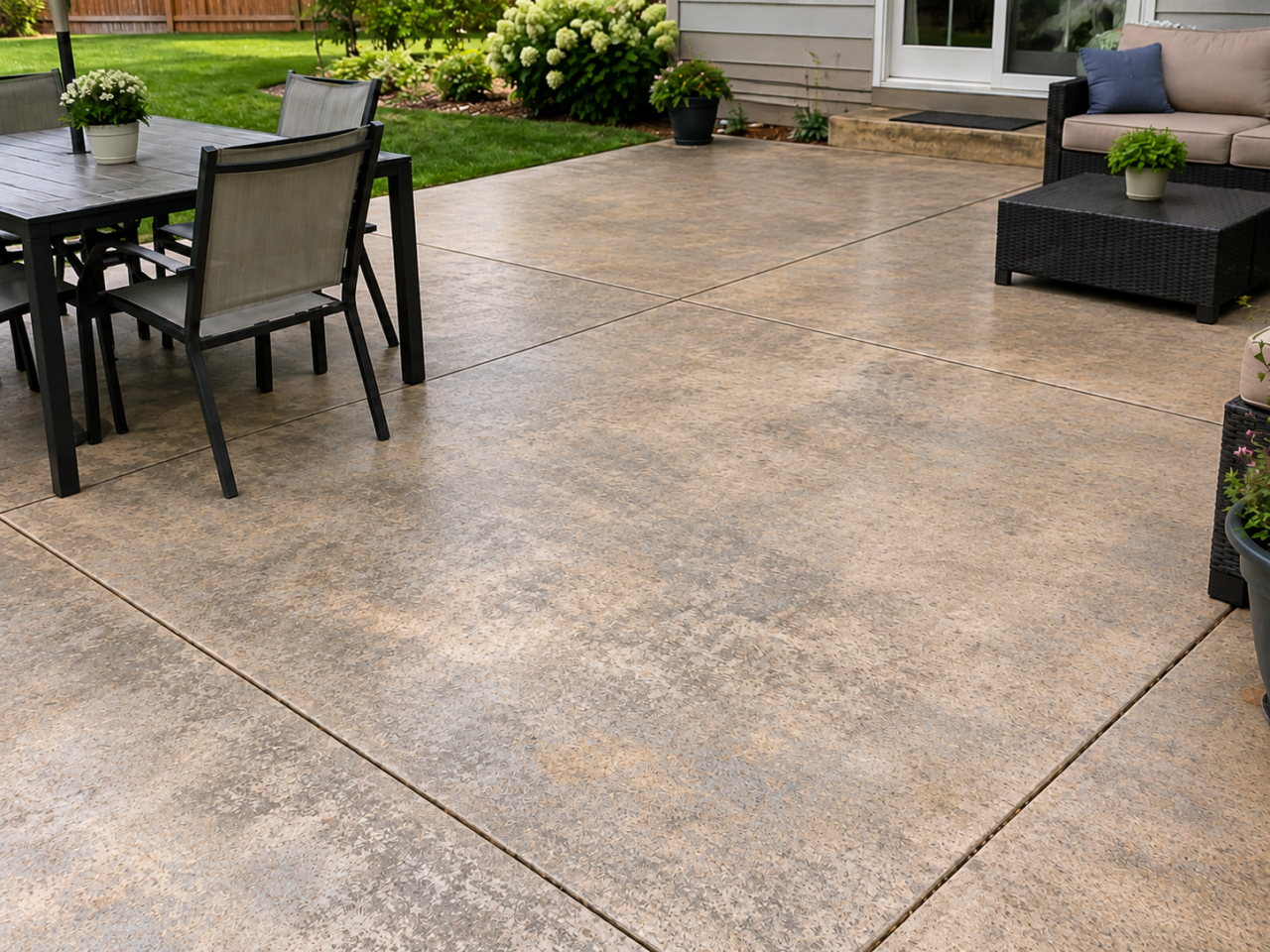
Sealed Concrete Before and After: Weathered Patios
Concrete patios spend years exposed to sunshine, rain, dirt, food spills, outdoor furniture, and foot traffic. Without adequate protection, these surfaces may gradually lose some of their original appearance.
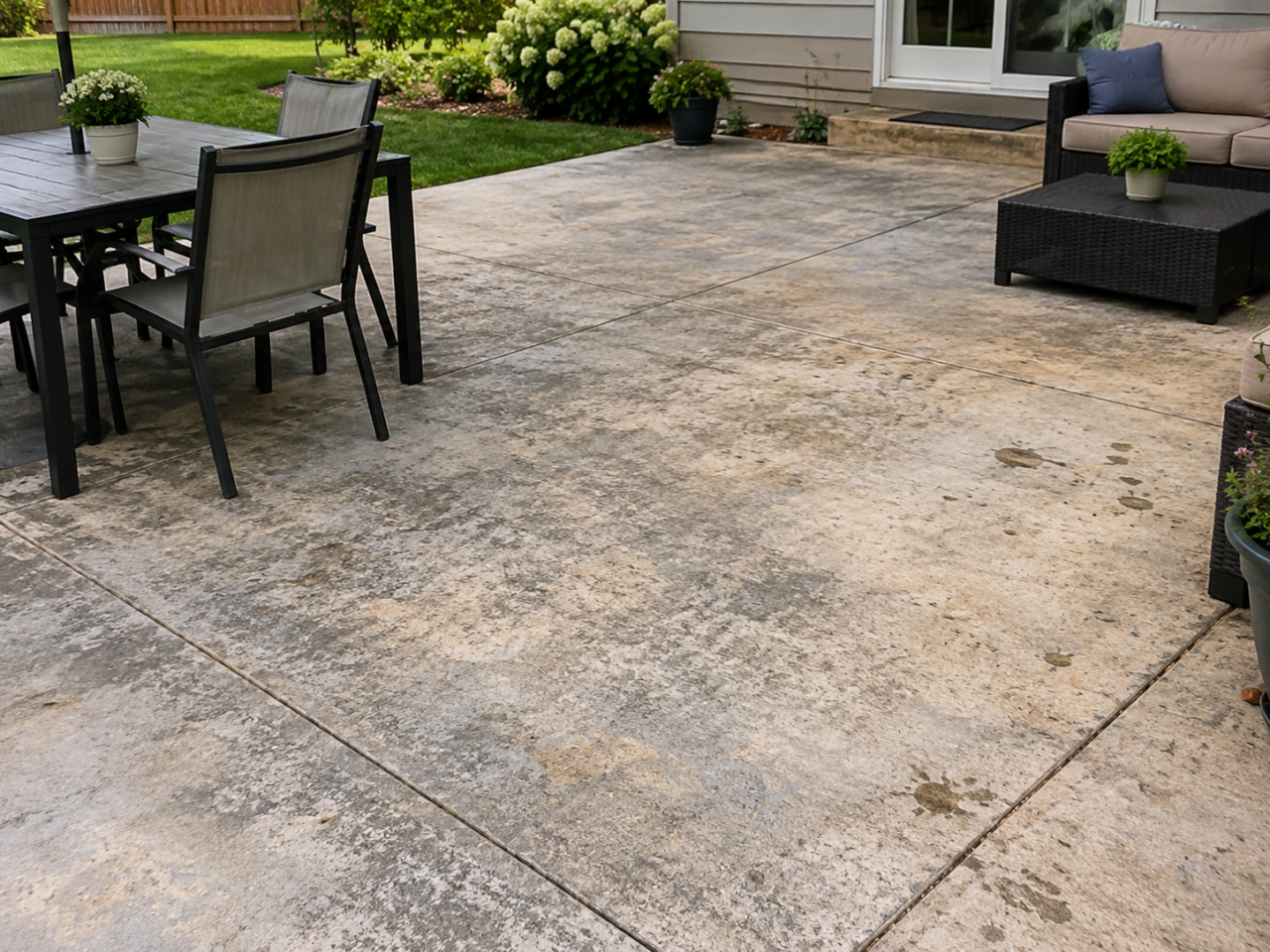
Before Concrete Sealing
An unsealed or overdue-for-resealing patio may look faded, chalky, stained, or weathered. Porous concrete can also absorb liquids relatively easily, making spills and environmental staining more difficult to manage over time.
Common conditions before sealing include:
- Faded or chalky finish
- Surface discoloration
- Food or beverage stains
- Dirt trapped in the surface
- Visible effects of outdoor exposure
After Concrete Sealing
Once the patio has been properly prepared and sealed, its surface can appear cleaner and more defined. The sealer also creates additional protection from moisture, stains, and everyday outdoor exposure while helping simplify routine cleaning.
Common improvements after sealing include:
- Cleaner overall finish
- Enhanced surface definition
- Better stain resistance
- Reduced water absorption
- Easier routine maintenance
Concrete Sealing Before and After: Walkways and Sidewalks
Walkways are constantly exposed to pedestrians, precipitation, dirt, landscaping debris, and seasonal weather. Because these surfaces are highly visible, discoloration and surface wear can affect the overall appearance of a property.
Before Concrete Sealing
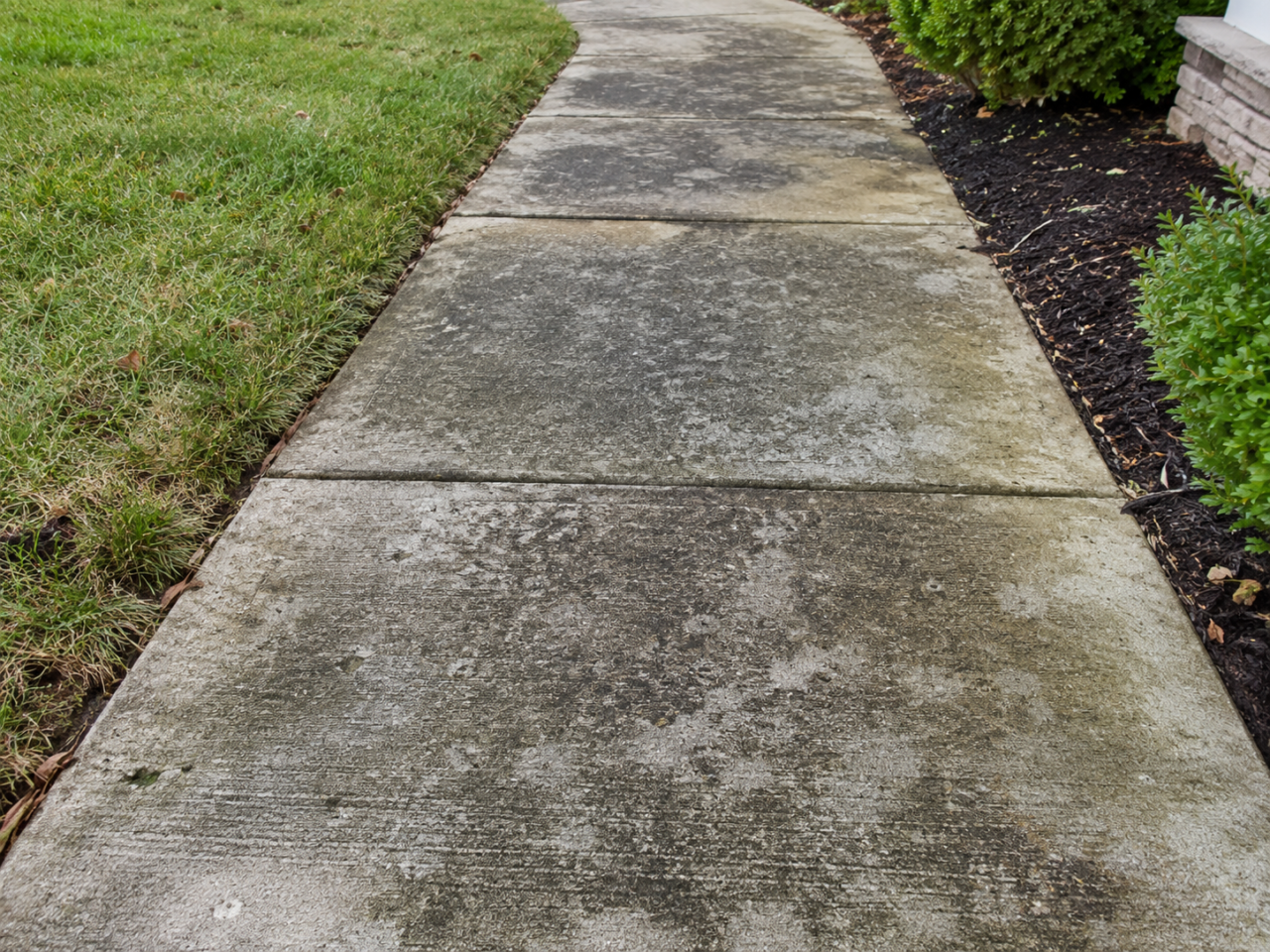
Before treatment, a walkway may have a faded, inconsistent surface with areas affected by moisture, dirt, or environmental exposure. Older concrete may appear especially worn where pedestrian traffic is concentrated.
Common conditions before sealing include:
- Surface fading
- Uneven discoloration
- Embedded dirt and staining
- Weathered appearance
- Increased water absorption
After Concrete Sealing
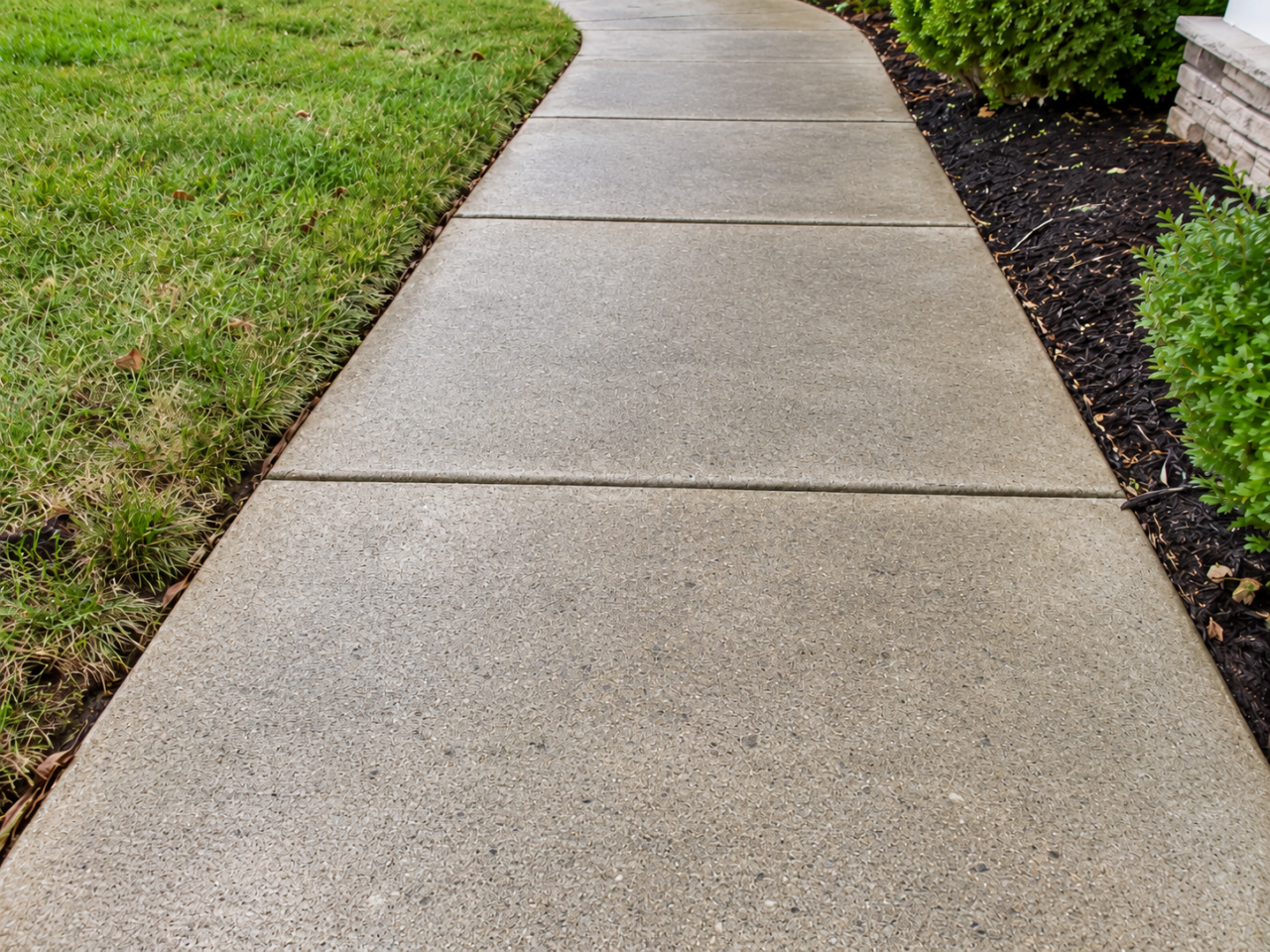
After cleaning and sealing, the walkway may appear more uniform and better maintained. A quality sealer can also help protect the surface against continued moisture penetration and everyday exposure.
Common improvements after sealing include:
- More uniform appearance
- Refreshed concrete color
- Better resistance to staining
- Reduced moisture penetration
- Improved long-term protection
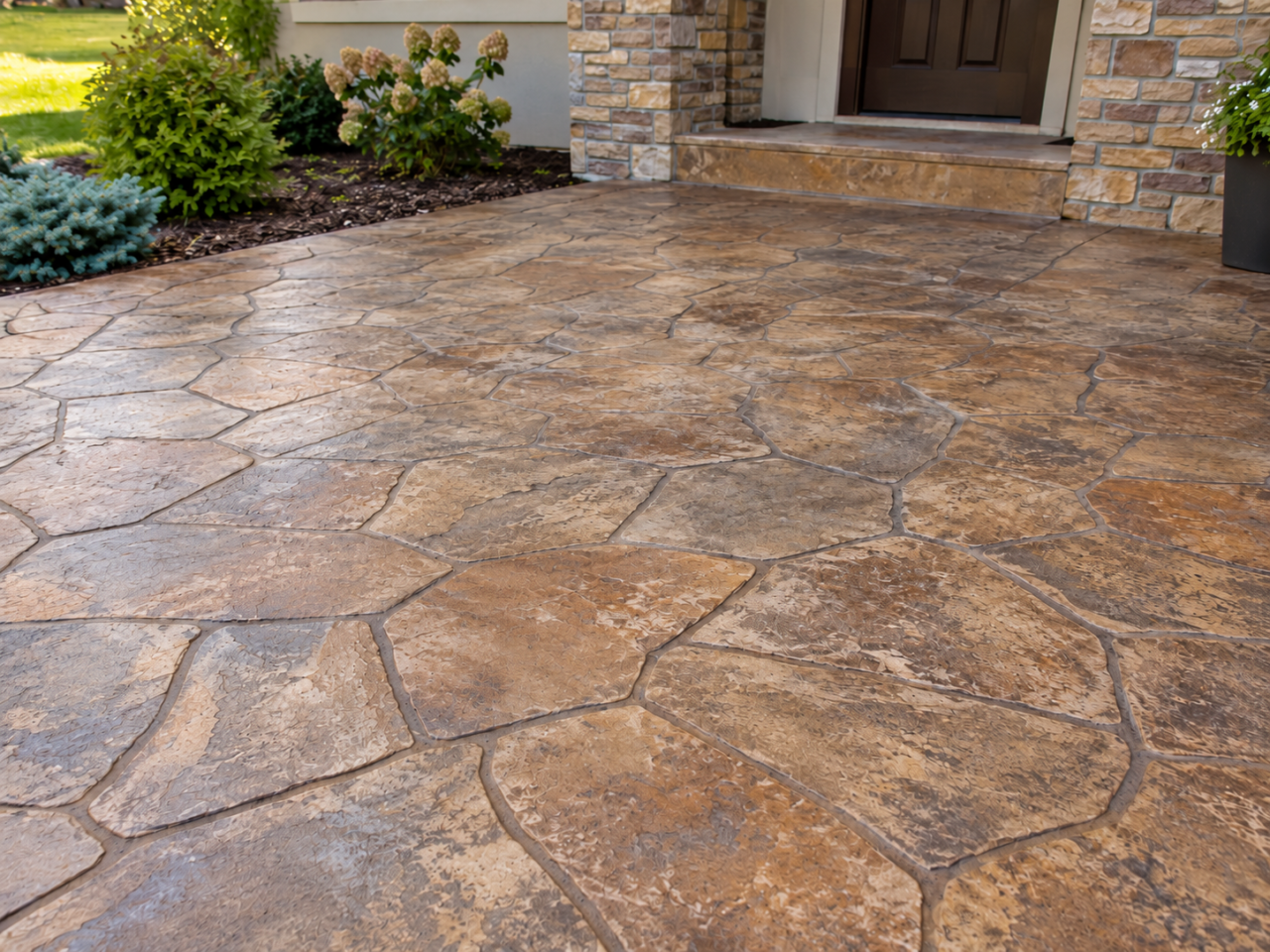
Sealed Concrete Before and After: Decorative or Textured Concrete
Decorative and textured concrete often relies heavily on color, pattern, or surface definition for its visual appeal. When the surface becomes faded or weathered, those details can become less noticeable.
Before Concrete Sealing
Before resealing, decorative concrete may appear muted, faded, or significantly less vibrant than it once did. Moisture, sunlight, dirt, and normal foot traffic can gradually reduce the visual contrast between colors, patterns, and textures.
Common conditions before sealing include:
- Muted colors
- Reduced pattern definition
- Dull surface finish
- Weather-related discoloration
- Visible general wear
After Concrete Sealing
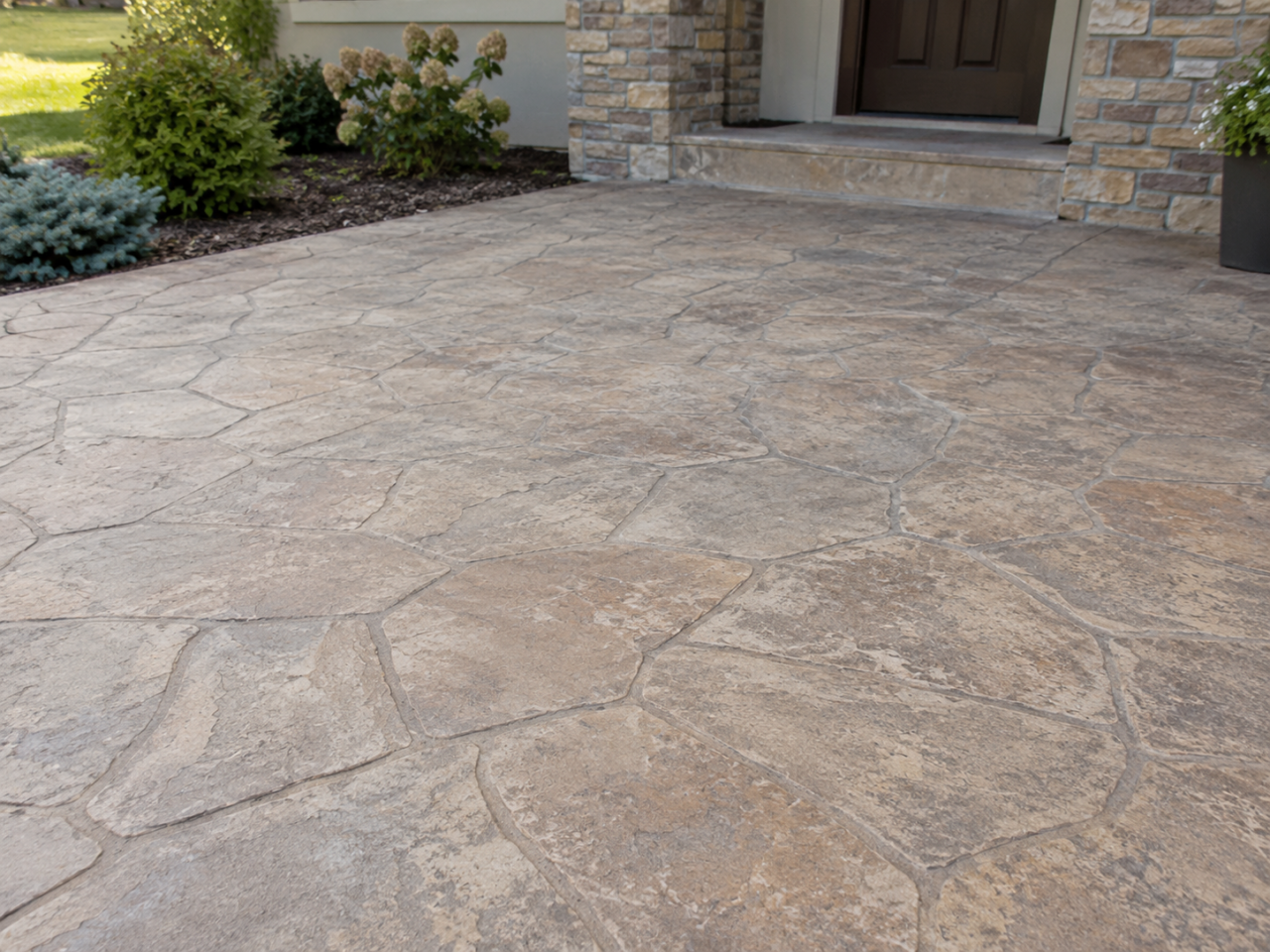
After appropriate preparation and sealing, colors and surface details may appear more defined. Depending on the type of concrete and sealer selected, the finished surface can have a refreshed appearance while receiving additional protection from environmental exposure.
Common improvements after sealing include:
- Enhanced color definition
- More noticeable patterns or textures
- Refreshed surface appearance
- Improved resistance to moisture
- Greater protection from everyday wear
Concrete Sealing Before and After: Garage Floors
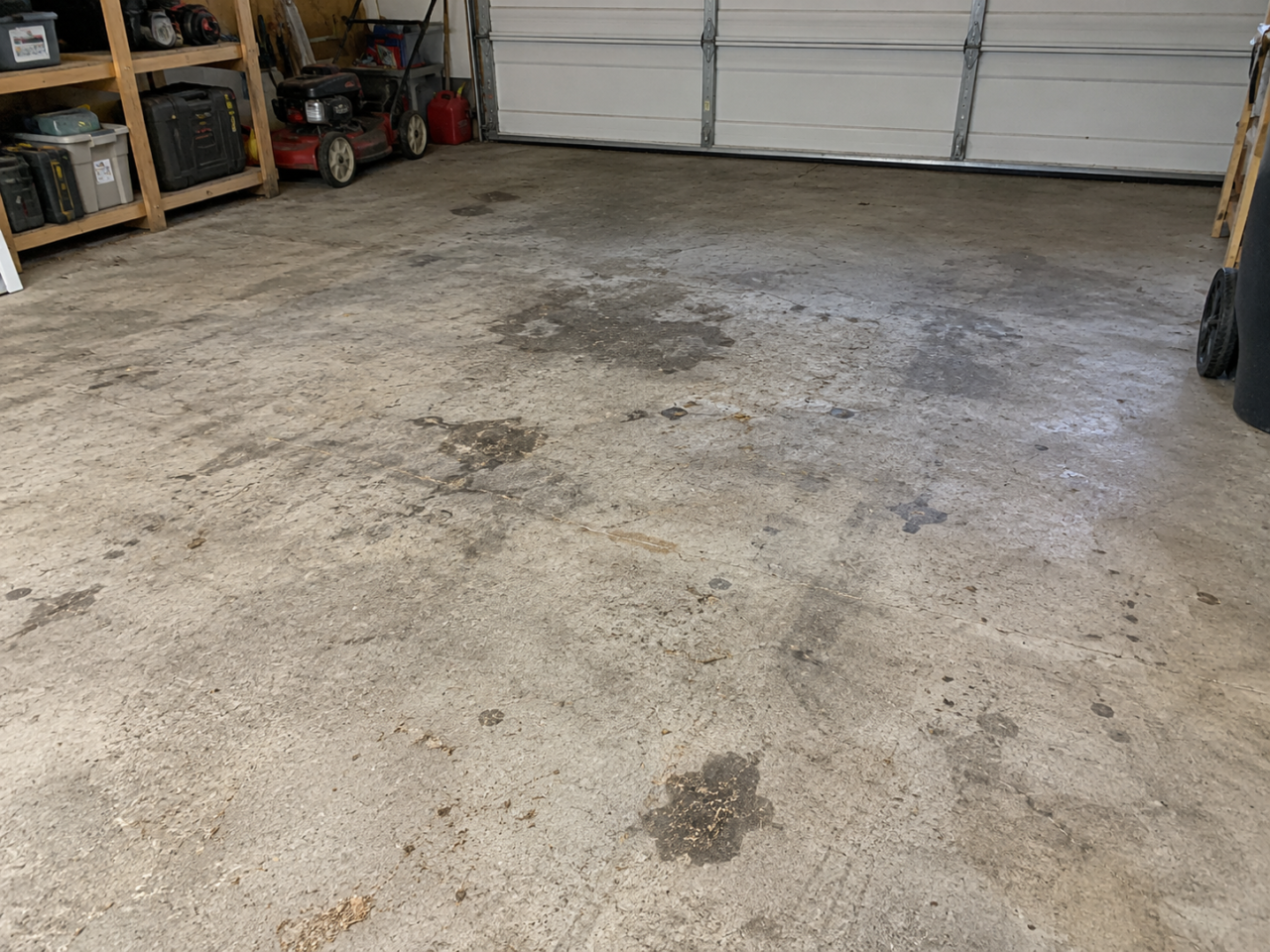
Garage floors may not experience the same rain and snow exposure as a driveway, but they face their own challenges. Vehicles can bring water, road salt, dirt, oil, and other contaminants onto the slab.
Before Concrete Sealing
An untreated garage floor may readily absorb liquids and become more difficult to clean as stains accumulate. Older concrete can also take on a generally worn appearance after years of vehicles, storage, and foot traffic.
Common issues include:
- Automotive fluid stains
- Water absorption
- Dirt embedded in the surface
- Dull or uneven coloring
- Visible wear in high-traffic areas
After Concrete Sealing
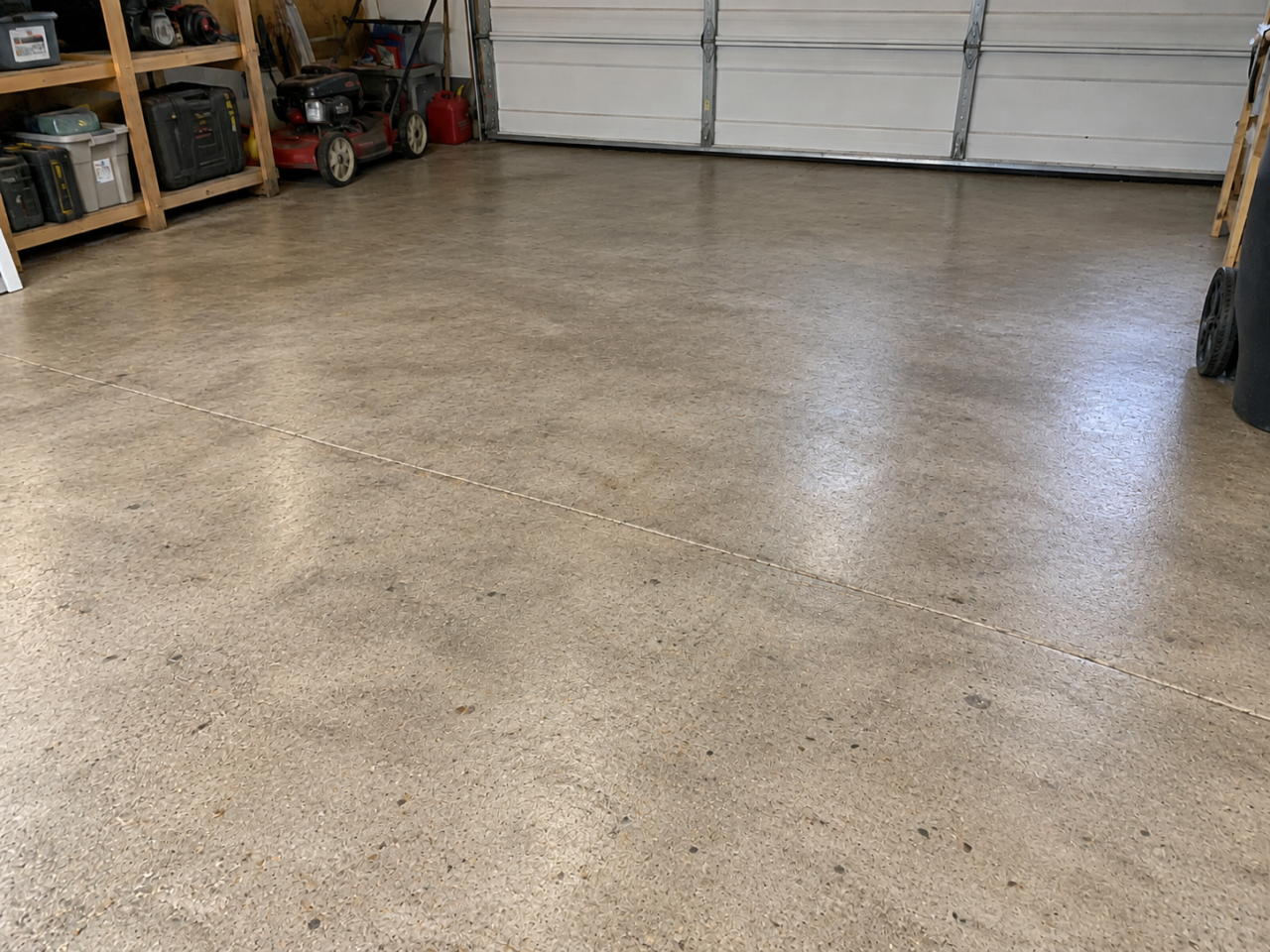
Applying an appropriate sealer can make the surface less absorbent and easier to maintain. Depending on the selected treatment, the floor may also gain a cleaner and more finished appearance.
Potential improvements include:
- Better resistance to stains
- Reduced liquid penetration
- Easier routine cleaning
- More uniform appearance
- Additional protection from everyday wear
What Concrete Sealing Can and Cannot Restore
The visual improvement shown in concrete sealing before and after photos can be substantial, but sealing is primarily a protective treatment. It should not be confused with structural concrete repair.
Sealing can help improve or protect concrete affected by:
- Fading
- General weather exposure
- Moisture penetration
- Surface staining
- Normal wear
- Loss of visual richness
However, sealer will not lift a sunken slab, correct significant height differences, close major structural cracks, or repair instability underneath the concrete.
If a driveway, sidewalk, patio, or other slab has settled, professional concrete leveling may need to occur before sealing. Slabjack Geotechnical uses geo-polymer injection to fill voids and precisely lift settled concrete while avoiding the demolition associated with complete slab replacement.
Professional Concrete Repair and Sealing From Slabjack Geotechnical
Slabjack Geotechnical is a family-owned and operated, full-service concrete repair company serving residential, commercial, municipal, and industrial properties throughout Washington and Northern Idaho. Founded in 2011, our company provides concrete repair solutions for a variety of concrete and geotechnical problems, including concrete raising and leveling, pressure grouting, crack and joint repair, and additional specialized services.
We also provide professional concrete sealing services designed to help property owners protect and maintain their concrete surfaces. Our team can evaluate the condition of your concrete, discuss appropriate sealing options, and develop an approach based on the needs of the individual surface.
When fading is accompanied by sinking or uneven slabs, our concrete raising and leveling capabilities allow us to address more than the surface appearance. Our polyurethane lifting process is designed to fill underlying voids and raise settled concrete back toward its proper elevation, providing a less disruptive alternative to removing and replacing suitable existing slabs.

Restore and Protect Your Concrete With Slabjack Geotechnical
Comparing concrete sealing before and after makes it easy to see how professional sealing can give weathered concrete a cleaner, refreshed appearance while adding valuable protection. Whether you are maintaining a driveway, patio, sidewalk, decorative surface, or another area of existing concrete, addressing wear before it progresses can help you get more from the surfaces already on your property.
If your concrete is faded, worn, stained, sinking, or uneven, contact Slabjack Geotechnical today. Our team can evaluate your concrete, explain which sealing or repair solutions are appropriate, and help you determine the next step. Reach out to learn more about our services or request an estimate for your concrete project in Washington or Northern Idaho.
FAQs
How often does concrete need to be resealed?
There is no single resealing schedule that applies to every property. How frequently concrete should be resealed depends on the sealer, surface use, weather exposure, traffic levels, and existing condition of the concrete.
Watch for changes such as increased water absorption, fading, staining, or a noticeable reduction in the appearance and performance of the previous treatment. High-traffic surfaces and concrete exposed to harsh seasonal conditions may require attention sooner than more protected areas.
Should worn concrete be sealed or repaired first?
The right approach depends on what is actually causing the problem. Concrete that is structurally stable but faded and weathered may primarily need cleaning and sealing. A slab that has settled, developed uneven elevations, or become unstable underneath requires a different solution.
What are the main benefits of sealing concrete?
Concrete sealing can help reduce moisture penetration, resist stains, simplify cleaning, and protect surfaces from weather-related wear. It can be especially useful for driveways, patios, walkways, garage floors, and decorative concrete.
What surfaces can be professionally sealed?
Concrete sealing can be used on many surfaces, including driveways, patios, sidewalks, walkways, garage floors, and decorative or stamped concrete. The appropriate sealer will depend on the surface type, condition, location, and desired finish.