
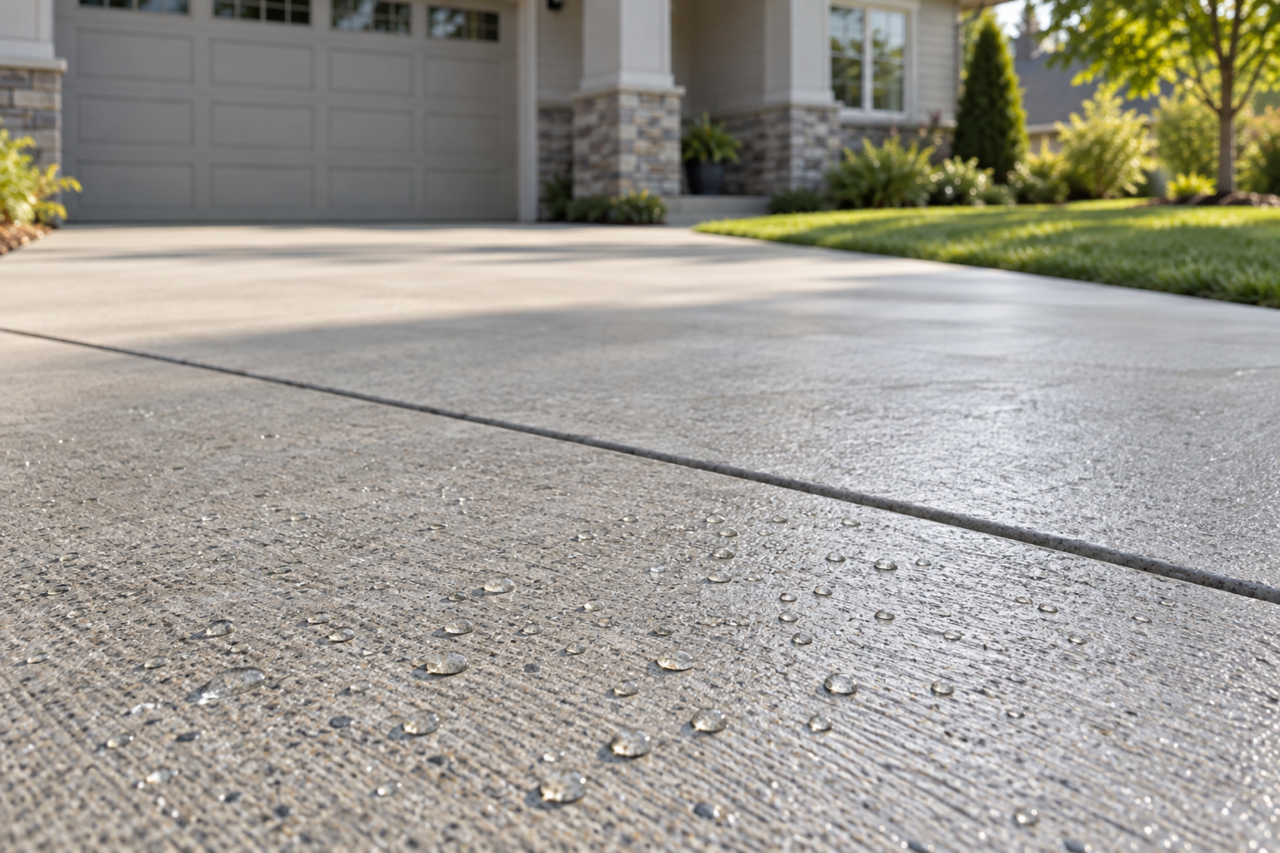
Concrete is one of the most durable materials used for outdoor surfaces, but constant exposure to water, temperature changes, vehicle traffic, stains, and everyday wear can gradually take a toll. Driveways, patios, sidewalks, and walkways are especially vulnerable because they remain exposed to the elements year-round. Applying a quality concrete sealer can provide an additional layer of protection that helps preserve these surfaces and reduce unnecessary deterioration.
The benefits of sealing concrete go beyond simply improving appearance. Depending on the type of sealer used, concrete sealing can reduce moisture penetration, make stains easier to manage, protect against weather-related wear, and simplify ongoing maintenance. Understanding the benefits of concrete sealer can help homeowners and property managers determine whether sealing should be part of their long-term concrete maintenance strategy.
What Does Sealing Concrete Do?
Concrete may look completely solid, but it is naturally porous. Small pores within the material can allow water and other liquids to penetrate the surface. Over time, repeated moisture exposure and environmental conditions can contribute to staining, surface deterioration, and other forms of damage.
Concrete sealers are designed to reduce that exposure. Some products penetrate below the concrete surface to help limit water absorption, while others form a protective coating over the top of the slab.
The appropriate type of sealer depends on factors such as:
- The age and condition of the concrete
- Whether the surface is indoors or outdoors
- Expected foot or vehicle traffic
- Exposure to rain, snow, ice, or de-icing products
- Desired appearance
- Existing stains, cracks, or surface deterioration
Professional evaluation can help determine which sealing product and application method are best suited for a particular concrete surface.
1. Helps Protect Concrete Against Moisture
One of the most important benefits of sealing concrete is reducing the amount of water that can penetrate its porous surface.
Outdoor concrete is regularly exposed to rain, irrigation, snow, and runoff. When moisture is able to repeatedly enter the concrete, it can contribute to gradual deterioration. Water may also move through cracks and joints into the soil beneath the slab, potentially contributing to erosion or changing support conditions over time.
A properly selected concrete sealer helps limit moisture penetration and provides an additional line of defense between the concrete and the surrounding environment.
This is particularly valuable for exposed surfaces such as:
- Driveways
- Patios
- Sidewalks
- Walkways
- Porches
- Pool decks
- Concrete steps
Slabjack Geotechnical notes that untreated concrete can be vulnerable to rain, freeze-thaw conditions, oil, and de-icing chemicals, while professional sealing can help protect against moisture, staining, and abrasion.
2. Provides Additional Protection During Freeze-Thaw Cycles
Concrete in colder climates experiences repeated freezing and thawing throughout the year. When moisture enters porous concrete and temperatures drop below freezing, that water can expand. Repeated cycles of freezing and thawing may gradually place stress on the concrete.
This makes concrete maintenance especially important in climates such as Washington and Northern Idaho, where outdoor concrete may regularly encounter cold temperatures, precipitation, and seasonal weather changes.
Sealing does not make concrete indestructible or completely waterproof. However, reducing the amount of water absorbed into the slab can help limit one of the factors that contributes to freeze-thaw deterioration.
For property owners who want to extend the useful life of outdoor concrete, moisture management is therefore one of the most significant benefits of concrete sealer.
3. Helps Reduce Staining on Driveways and Patios
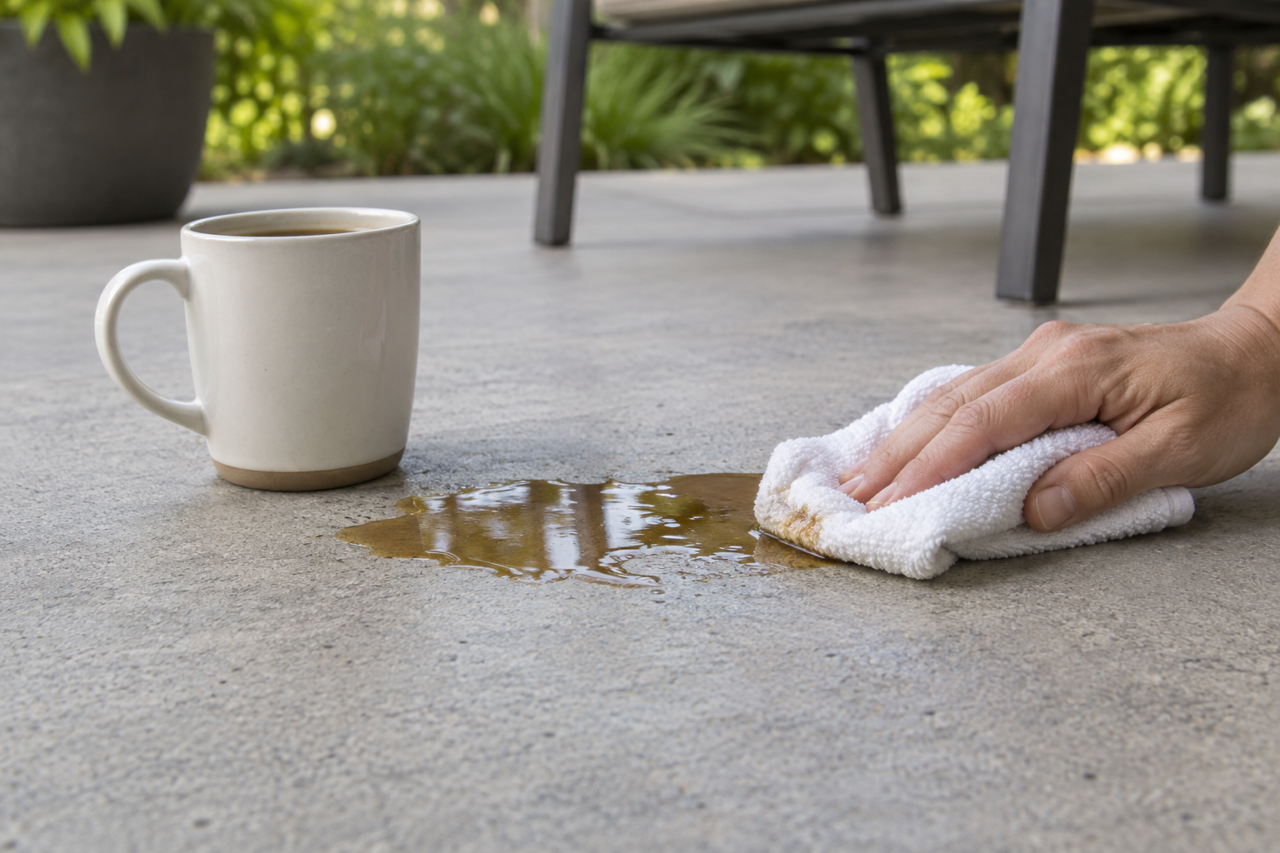
Outdoor concrete regularly comes into contact with substances capable of leaving stubborn discoloration.
Driveways may encounter:
- Motor oil
- Automotive fluids
- Tire marks
- Dirt
- Road grime
Patios may be exposed to:
- Food spills
- Beverages
- Grease
- Leaves
- Outdoor furniture stains
- Dirt and organic material
Unsealed concrete can absorb liquids relatively quickly because of its porous nature. Once a contaminant penetrates deeper into the surface, removing the resulting stain may become much more difficult.
One of the practical benefits of sealing is that it can decrease how readily contaminants penetrate the concrete. Spills can often remain closer to the surface, where they may be easier to address through routine cleaning.
4. Makes Concrete Easier to Maintain
Outdoor surfaces naturally accumulate dust, pollen, dirt, leaves, and debris. Because unsealed concrete can absorb moisture and contaminants, routine maintenance may require more effort as the surface ages.
Concrete sealing can make ongoing care more manageable by reducing absorption and helping keep certain contaminants nearer the surface.
Depending on the sealer and condition of the slab, normal maintenance may involve:
- Sweeping away loose debris
- Rinsing the surface periodically
- Cleaning spills relatively quickly
- Using appropriate concrete cleaning products as needed
- Inspecting cracks and joints periodically
Less intensive maintenance is one of the most appealing benefits of sealing concrete for busy homeowners who want to keep their driveway, patio, or walkways looking maintained without unnecessary effort.
5. Helps Protect Against De-Icing Chemicals
In colder regions, de-icing products are commonly used on sidewalks, driveways, steps, and other outdoor surfaces to improve traction during winter.
While useful for winter safety, some chemicals and salts can be hard on concrete—particularly when moisture is also present.
A suitable concrete sealer can reduce direct exposure to these substances by limiting their ability to penetrate into the concrete. This added protection can be particularly valuable for driveways and walkways that receive frequent winter maintenance.
The best defense still involves using appropriate ice-management practices and choosing products compatible with concrete, but sealing can become another component of a broader preventative maintenance strategy.
6. Can Help Reduce Surface Wear and Abrasion
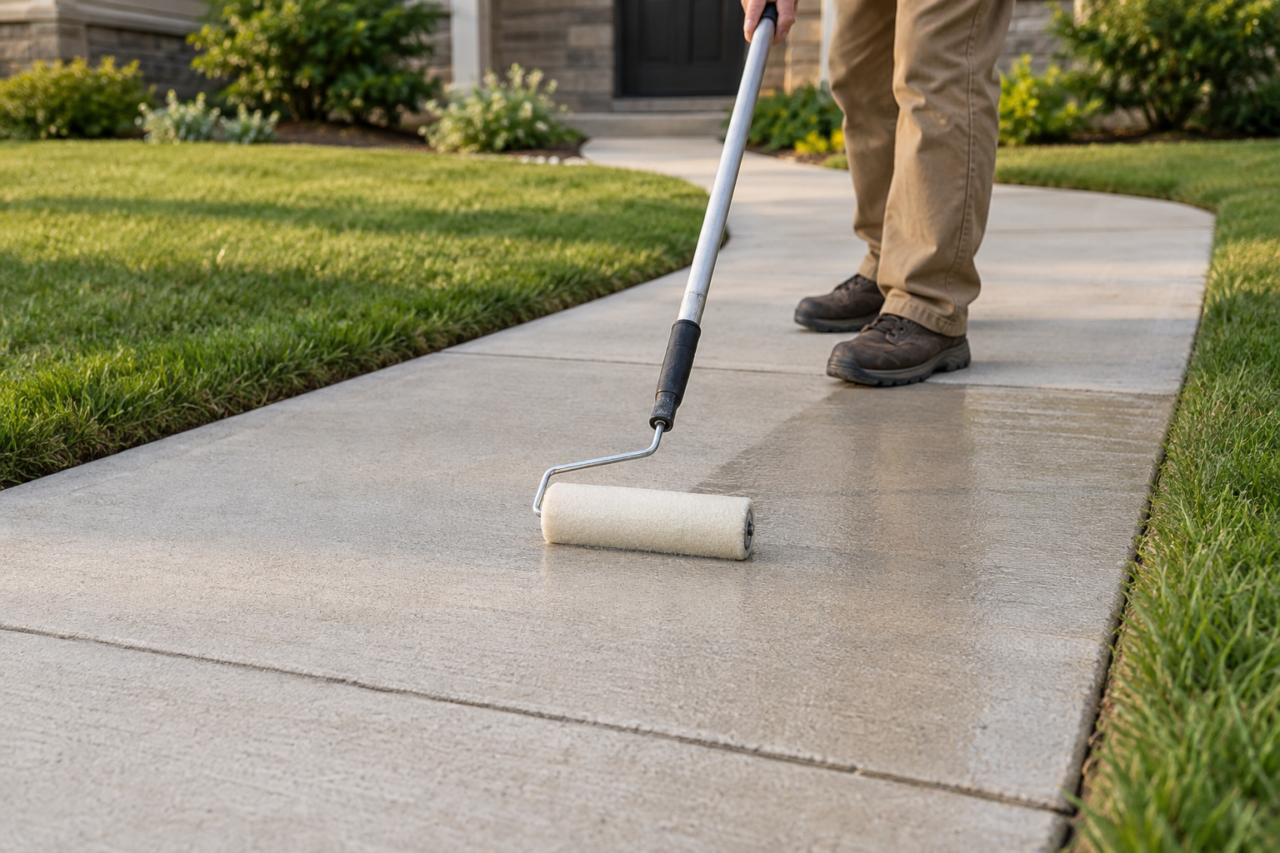
Outdoor concrete must withstand constant physical use.
Driveways support vehicle traffic. Walkways experience repeated foot traffic. Patios accommodate furniture, grills, planters, recreational equipment, and everyday outdoor living.
Gradually, these activities can contribute to surface wear.
Certain concrete sealing systems create a protective surface layer that helps resist abrasion and general wear. This can be especially useful for frequently used areas where the concrete is subjected to repeated traffic.
Concrete sealing cannot prevent every scratch, chip, or form of deterioration. However, providing an additional layer of protection may help the original surface withstand daily exposure more effectively.
7. Helps Preserve the Appearance of Concrete
Appearance is another reason many homeowners choose to seal outdoor concrete.
Exposure to moisture, stains, dirt, sunlight, chemicals, and environmental conditions can cause concrete surfaces to look worn over time. Sealing can help preserve a cleaner, more consistent appearance by limiting staining and reducing the absorption of contaminants.
Certain surface sealers can also enhance the appearance or color of concrete, depending on the product selected.
This can be particularly beneficial for highly visible areas such as:
- Front walkways
- Decorative patios
- Pool surrounds
- Entry areas
- Finished concrete driveways
- Outdoor entertaining spaces
Slabjack Geotechnical explains that regular sealing can help extend the service life of concrete while enhancing its color and finish.
8. Can Extend the Useful Life of Outdoor Concrete
Concrete replacement can be a significant undertaking. Preventative maintenance is therefore an important part of maximizing the value of an existing slab.
The protective benefits of concrete sealer may help slow several types of surface deterioration by reducing exposure to water, stains, chemicals, and abrasion.
Sealing is not a substitute for necessary concrete repairs. A slab that is severely cracked, sinking, structurally unstable, or unsupported may require professional concrete repair before sealing is considered.
However, when the underlying concrete remains in appropriate condition, sealing can become an important part of a preventative strategy designed to protect the existing surface for as long as possible.
9. Helps Protect Cracks and Joints When Combined With Proper Caulking
Concrete sealing and crack or joint sealing are related but distinct maintenance processes.
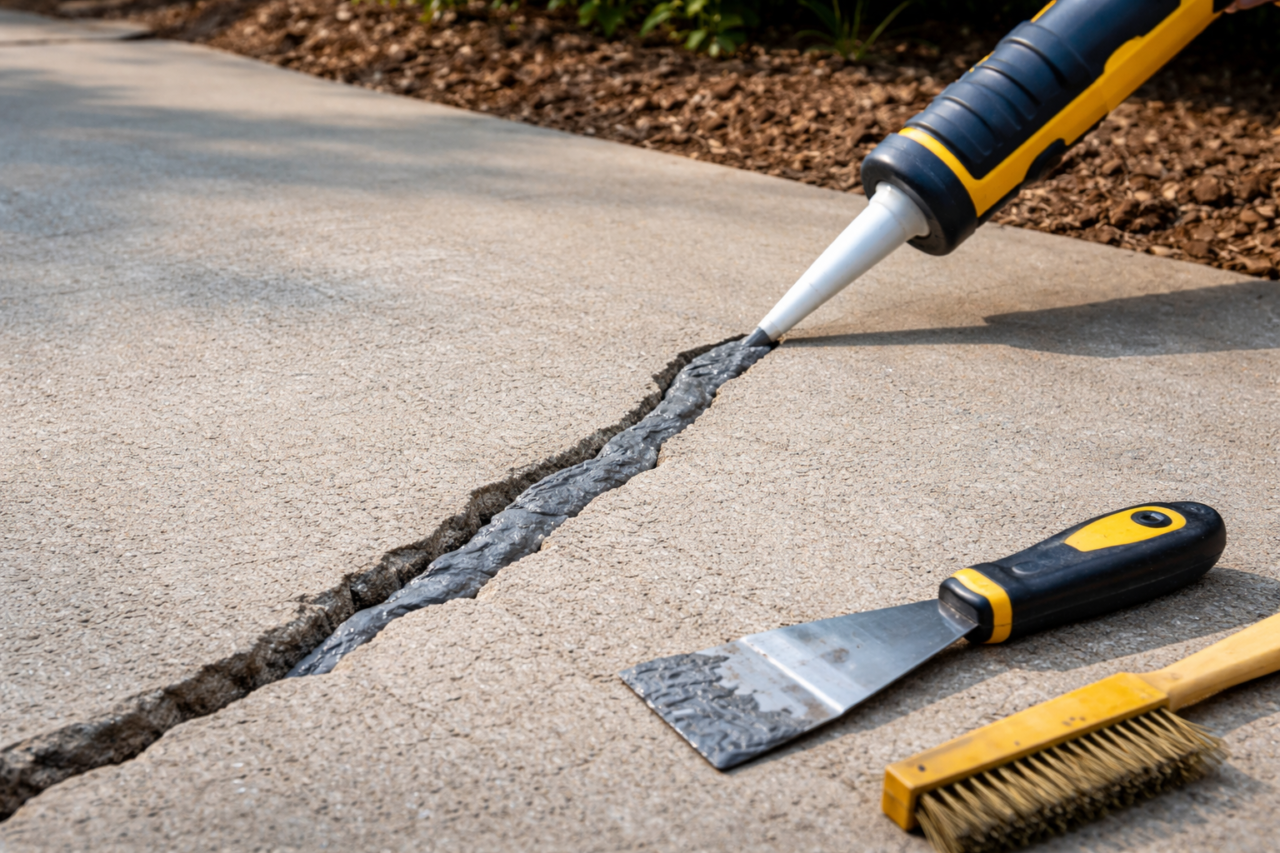
A surface sealer protects the concrete itself, while professional crack and joint caulking closes openings where water can travel through the slab. Combining these strategies can provide more comprehensive moisture protection.
Unsealed joints and cracks may allow water to reach the material beneath a slab. In some situations, ongoing water intrusion can contribute to soil erosion or other changes below the concrete.
Slabjack Geotechnical specifically recommends protecting concrete joints and cracks from water penetration and offers crack and joint caulking alongside concrete sealing services.
10. Supports Preventative Concrete Maintenance
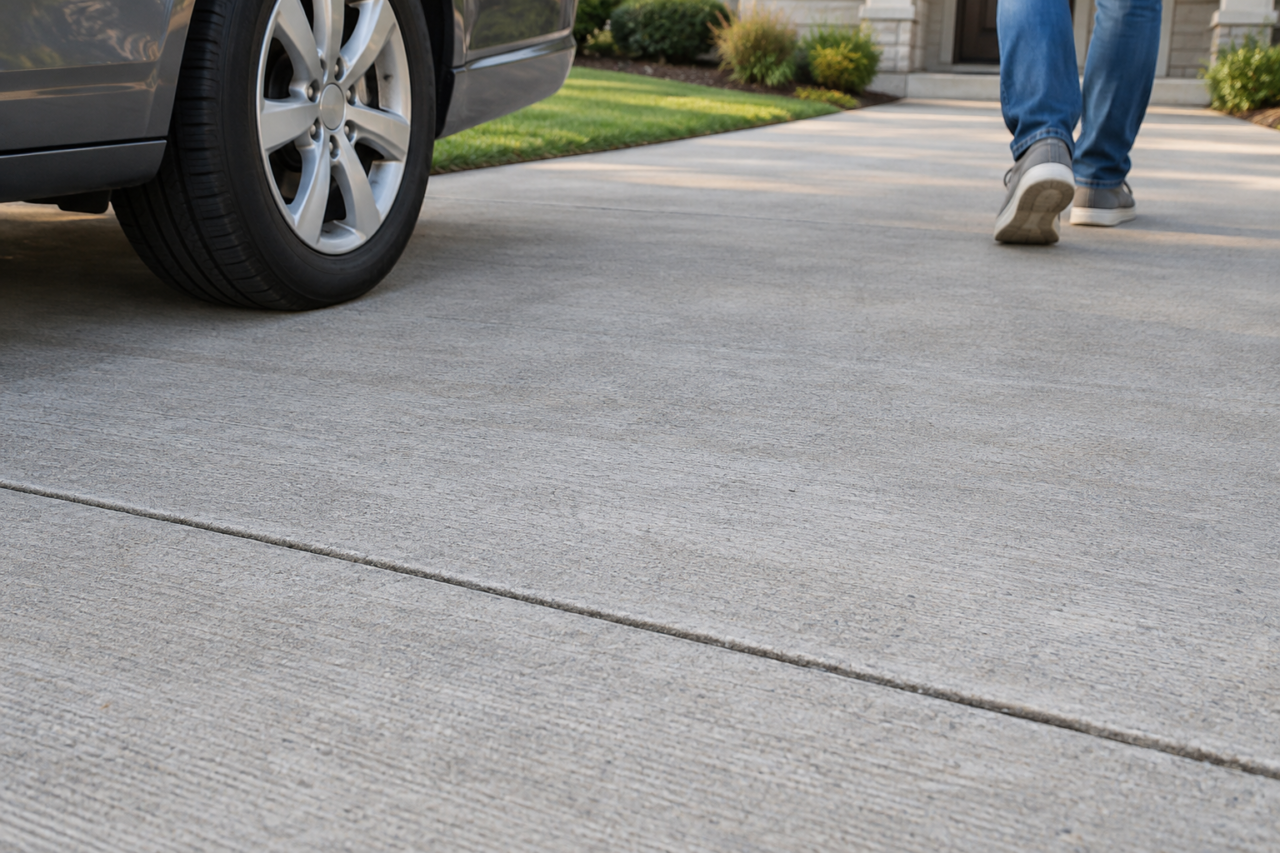
One of the biggest advantages of sealing concrete is that it is preventative.
Property owners often wait until concrete develops visible problems before thinking about maintenance. By that stage, the appropriate solution may involve crack repair, concrete leveling, grinding, void filling, or another repair technique.
Sealing gives homeowners an opportunity to protect concrete before significant deterioration becomes visible.
A well-rounded preventative concrete maintenance plan may include:
- Keeping joints and cracks properly sealed
- Maintaining drainage around concrete slabs
- Cleaning spills before they penetrate deeply
- Limiting unnecessary chemical exposure
- Applying an appropriate concrete sealer
- Inspecting surfaces for changes in elevation
- Addressing settlement or voids early
Taking care of an existing slab can often be far more practical than allowing preventable damage to progress unnoticed.
Benefits of Sealing Concrete Driveways
Driveways face some of the most demanding conditions of any residential concrete surface. Vehicle weight, oil, chemicals, rainfall, winter weather, and frequent traffic can all contribute to wear.
The primary benefits of sealing concrete driveways include reducing water absorption, making automotive stains easier to manage, limiting exposure to certain de-icing chemicals, and protecting against everyday surface wear.
Sealing can be especially valuable when paired with proper crack and joint maintenance. Keeping water from entering both the concrete surface and openings between sections can provide broader protection for the driveway.
Benefits of Sealing Concrete Patios
Patios may not experience the same vehicle loads as driveways, but they are continuously exposed to weather and frequent household use.
Food and beverage spills, grills, planters, furniture, leaves, rain, and dirt can all affect the condition and appearance of a patio.
Sealing can make spills and routine cleaning easier to manage while helping reduce moisture absorption. For decorative or highly visible patios, certain sealers can also help maintain or enhance the finished appearance of the concrete.
For homeowners who regularly use their patio for entertaining or outdoor living, those maintenance advantages can make sealing especially worthwhile.
Benefits of Sealing Concrete Walkways and Sidewalks
Walkways are frequently exposed to rainfall, irrigation, freeze-thaw cycles, dirt, foot traffic, and landscaping debris.
Sealing helps create additional protection against moisture and environmental wear while making routine cleaning easier. Because walkways are also highly visible parts of a home’s exterior, maintaining their condition can improve the overall appearance of the property.
However, sealing should not be used to disguise uneven or settled concrete. If sidewalk sections have shifted enough to create a trip hazard, concrete leveling or another repair method should be considered first.
How Often Should Outdoor Concrete Be Sealed?
There is no universal schedule that works for every driveway, patio, or walkway.
How frequently concrete needs to be resealed can depend on:
- Type of sealer
- Amount of traffic
- Exposure to sunlight
- Rain and snow exposure
- Freeze-thaw conditions
- Use of de-icing chemicals
- Surface preparation
- Age and condition of the concrete
Some sealers remain effective longer than others, so property owners should follow the manufacturer’s requirements and obtain professional recommendations when appropriate.
Slabjack Geotechnical offers both surface and penetrating sealer options, with different warranty periods depending on the type of sealer used.
Professional Concrete Sealing and Repair From Slabjack Geotechnical
At Slabjack Geotechnical, we are a family-owned and operated, full-service concrete repair company serving Washington and Northern Idaho. Founded in 2011, our team works with residential, commercial, municipal, and industrial customers to help restore, stabilize, and protect existing concrete.
Our concrete repair capabilities extend far beyond surface maintenance. Depending on the condition of your property, our services include concrete raising and leveling, crack and joint sealing, compaction and permeation grouting, concrete grinding, and concrete void filling. We can evaluate the existing condition of your concrete and recommend solutions based on the problems affecting the slab rather than relying on a one-size-fits-all approach.
For concrete sealing projects, we use professional products designed to help protect exposed concrete against moisture, stains, abrasion, and weather-related deterioration. Whether you are looking to preserve a driveway, patio, walkway, or another concrete surface, our team can help determine the appropriate approach based on the condition and use of the area.
Protect Your Outdoor Concrete With Slabjack Geotechnical
The benefits of sealing concrete can make it a worthwhile component of long-term property maintenance. By reducing moisture penetration, limiting staining, simplifying cleaning, and providing added protection from environmental exposure, a properly applied sealer can help homeowners get more life and performance from their outdoor concrete.
The greatest benefits of concrete sealer are achieved when sealing is combined with proper concrete maintenance and necessary repairs. If your driveway, patio, walkway, or other concrete surface is cracked, settled, uneven, or simply in need of additional protection, contact us here at Slabjack Geotechnical. Our team can evaluate your concrete, explain the repair and sealing options available, and provide an estimate for the services needed to help protect your property for the years ahead.
FAQs
Does sealing concrete make it last longer?
Concrete sealing can help extend the useful life of a surface by reducing exposure to moisture, contaminants, chemicals, and abrasion. However, sealing works best as part of a broader maintenance plan that also addresses cracks, settlement, drainage problems, and other existing damage.
Does concrete sealer prevent water damage?
Concrete sealer can reduce the amount of water absorbed into porous concrete, which helps protect against moisture-related deterioration. Most sealers should not be considered completely waterproof, so proper drainage and crack maintenance are still important.
Does sealing concrete help with freeze-thaw damage?
Yes, reducing moisture penetration can help limit one of the primary factors involved in freeze-thaw deterioration. When less water enters the concrete, there is less moisture available to freeze, expand, and place repeated stress on the material.
What types of concrete surfaces can be sealed?
Many outdoor concrete surfaces can be sealed, including driveways, patios, sidewalks, walkways, porches, steps, pool decks, and other exposed slabs. The appropriate sealer will depend on the location, condition, use, and desired finish of the concrete.