
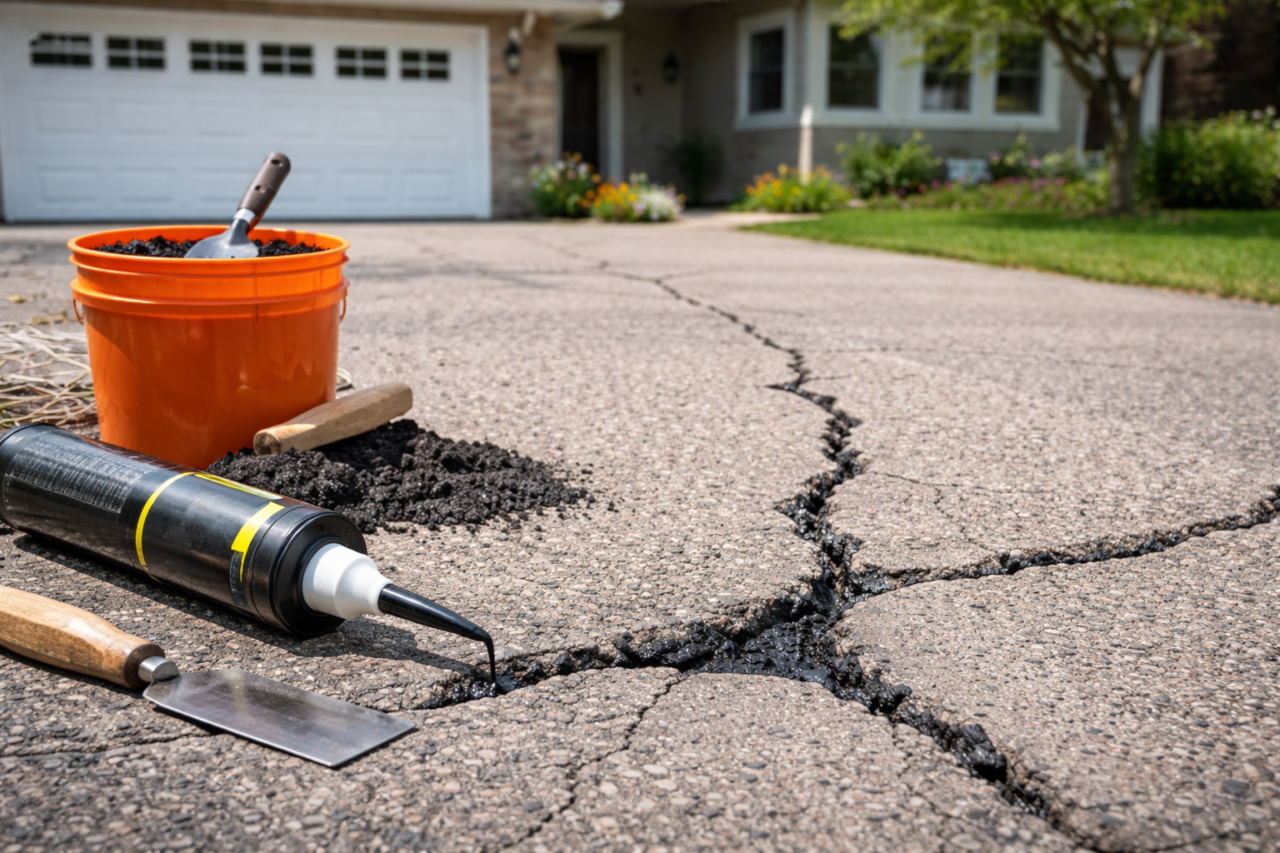
Cracks in a driveway may seem like a small cosmetic issue at first, but they rarely stay that way. Water can seep into even minor openings, weaken the base beneath the slab, and make the damage worse over time. In colder climates, freeze-thaw cycles can quickly turn a hairline crack into a larger structural problem. That is why homeowners who want to fix driveway cracks early can often avoid much more expensive repairs later.
If you have been wondering how to fix cracks in concrete driveway surfaces without immediately replacing the entire slab, there are several practical and budget-friendly options. The best method depends on the size of the crack, the condition of the concrete, and whether the slab is still level and stable. Below is a guide to the top three affordable repair methods homeowners should know before small driveway issues become major issues.
Why It Is Important to Fix Cracks in Concrete Driveway Surfaces Early
When homeowners put off fixing cracks in concrete driveway areas, the damage tends to spread. What starts as a narrow surface crack can eventually allow moisture intrusion, erosion beneath the slab, weed growth, and edge deterioration. Cracks can allow weeds to sprout through the driveway, making the problem worse and harder to manage.
In some cases, cracking is not just a surface issue. It may be a sign that the slab is settling because of voids or unstable soil beneath it.
Addressing the problem early helps:
- Prevent water from penetrating below the slab
- Reduce the chance of cracks widening or multiplying
- Improve curb appeal and driveway safety
- Extend the overall life of the driveway
- Lower the likelihood of full slab replacement
Knowing how to fix cracks in concrete driveway surfaces properly can save money and protect your property from deeper structural issues.
1. Concrete Crack Filler or Sealant
One of the most common and affordable ways to fix driveway cracks is with a concrete crack filler or sealant. This method is typically used for small, non-structural cracks where the slab is still level and otherwise in good condition. Crack fillers help block out water, debris, and plant growth while improving the appearance of the driveway.
These products come in a variety of forms, including pourable crack fillers, caulk-style sealants, and flexible polyurethane or epoxy-based materials. The right product depends on the crack width and the amount of movement expected.
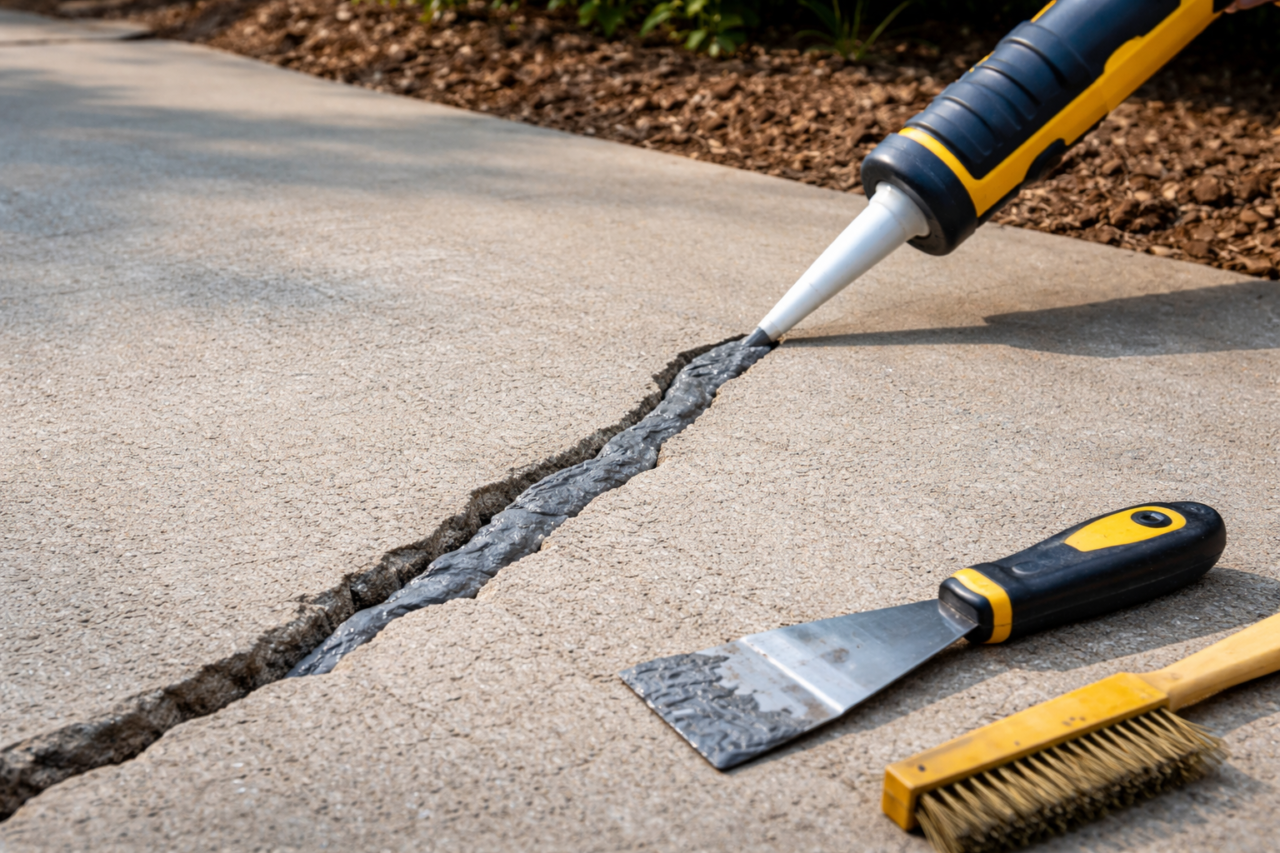
Best situations for concrete crack filler or sealant
- Hairline cracks or narrow surface cracks
- Minor shrinkage cracks
- Cracks that are not causing vertical displacement
- Driveways with otherwise sound concrete
- Homeowners looking for a low-cost preventative repair
Benefits of using crack filler
- Inexpensive and very affordable compared to larger repairs
- Helps stop water infiltration
- Quick to apply in many cases
- Can improve the look of the driveway
- Helps delay more serious deterioration
Limitations to keep in mind
Crack filler is best for early-stage damage. It does not correct sinking concrete, widespread surface wear, or major structural movement. If the driveway is uneven, cracked in multiple areas, or showing signs of settlement, a more comprehensive repair may be needed.
2. Concrete Resurfacing
Concrete resurfacing is another effective solution when the driveway has multiple small cracks, surface scaling, discoloration, or general wear but is still structurally intact. Instead of tearing out and replacing the slab, resurfacing applies a new overlay on top of the existing concrete. This can restore appearance and create a more uniform finish while helping address shallow surface imperfections.
For many homeowners researching fix cracks in concrete driveway solutions, resurfacing offers a strong balance between cost and visual improvement. It is especially useful when the driveway looks aged overall, not just cracked in one isolated area.
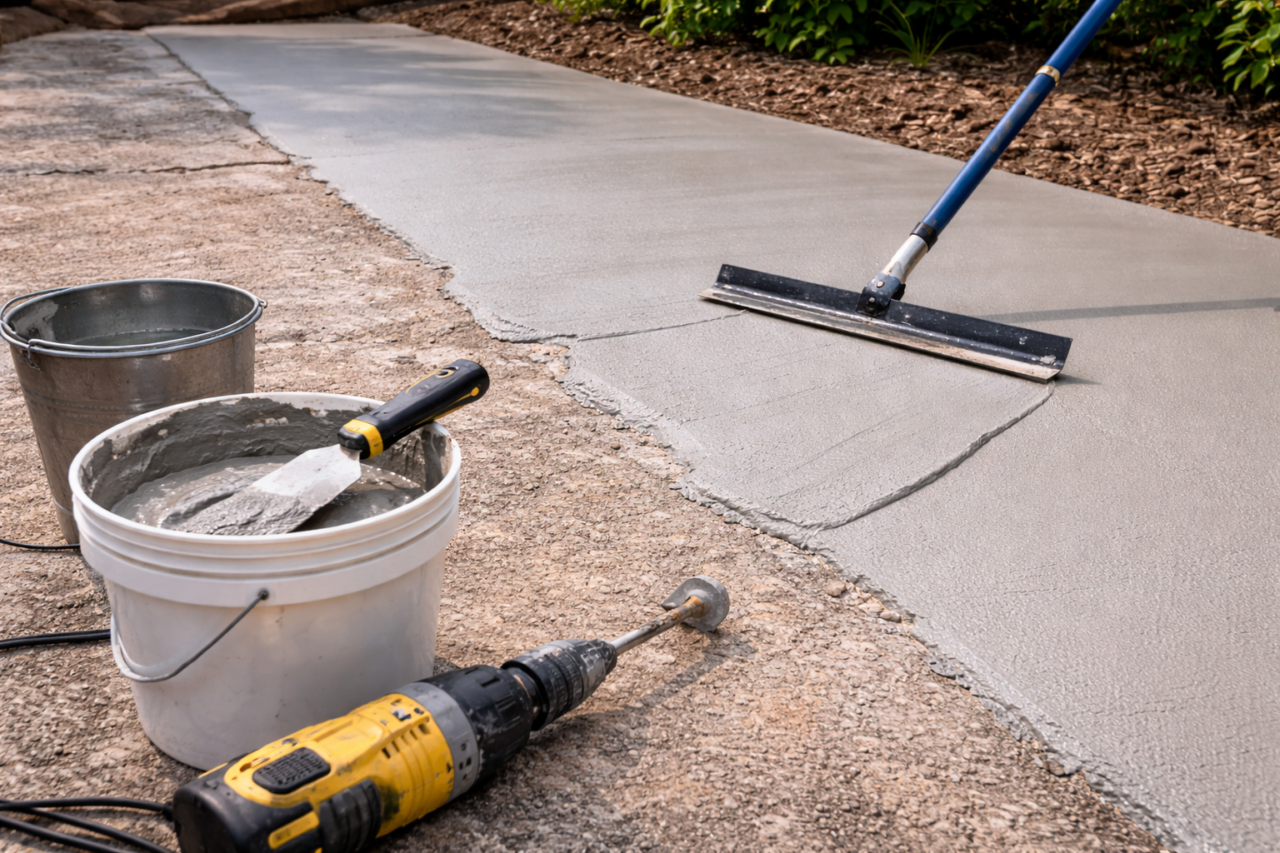
Best situations for concrete resurfacing
- Multiple shallow cracks across the surface
- Cosmetic wear, pitting, or minor spalling
- Discolored or weathered concrete
- Driveways that are still level and stable
- Homeowners who want a refreshed appearance without full replacement
Benefits of resurfacing
- More affordable than removing and replacing the driveway
- Covers widespread surface blemishes
- Can improve traction and curb appeal
- Extends the usable life of older concrete
- Works well when damage is mostly on the surface
When resurfacing is not enough
Resurfacing will not solve problems caused by a sunken slab, poor subgrade support, or active movement below the concrete. If cracks keep reopening or portions of the driveway are sinking, resurfacing alone may only mask the real issue for a short time.
3. Slabjacking
Slabjacking is one of the best options when cracks are being caused by settlement beneath the driveway. This process raises and stabilizes sunken concrete by injecting material below the slab to fill voids and lift the concrete back toward its proper position. If you are looking into how to fix cracks in concrete driveway areas where the slab has dropped or become uneven, slabjacking may be the most effective and affordable alternative to replacement.
When a driveway settles, cracks often appear because the slab no longer has uniform support. Simply filling the crack may not fix the source of the problem. Slabjacking addresses the underlying issue by restoring support below the surface.

Best situations for slabjacking
- Uneven or sunken driveway slabs
- Cracks caused by settlement or voids beneath the concrete
- Trip hazards from slab displacement
- Sections of driveway that have dropped near garage floors, sidewalks, or approaches
- Homeowners who want to avoid the cost of replacement
Benefits of slabjacking
- Corrects the underlying support problem
- Restores slab elevation
- Often faster and less disruptive than replacement
- Can extend the life of the existing driveway
- Typically more affordable than tearing out and repouring concrete
Why slabjacking is often the smarter repair
For homeowners dealing with settling concrete, slabjacking does more than just hide the symptoms. It targets the cause of cracking by improving slab support and reducing future movement. In many cases, it is the most practical long-term solution for fixing cracks in concrete driveway surfaces affected by settlement.
Common Mistakes to Avoid
When it comes to repairing concrete cracks, avoiding common mistakes can make all the difference in the durability and appearance of your driveway. One of the most frequent errors is failing to clean the concrete surface thoroughly before applying a concrete crack filler. Any dirt, debris, or loose material left in the crack can prevent the filler from bonding with the surrounding concrete, leading to a weak repair.
Another pitfall is using the wrong type of caulk or mortar for the job. For example, applying a non-sag caulk on a flat surface or a self-leveling caulk on a vertical area can result in poor coverage and ineffective sealing. Always check the manufacturer’s instructions to ensure you’re using the right product for your specific cracks.
It’s also important to allow the repair to fully cure before exposing it to vehicle traffic. Rushing this step can compromise the strength of the repair and shorten the life of your concrete surface. Don’t forget to remove any excess filler or debris from the crack to achieve a smooth, even finish.
Using high-quality materials like epoxy or mortar, and sealing cracks regularly, will help protect your driveway and extend its lifespan. By following best practices and avoiding these common mistakes, you can ensure your concrete repairs are both effective and long-lasting.
How to Choose the Right Method to Fix Driveway Cracks
The right approach depends on what is actually causing the cracks. A surface-level issue may only need filler or resurfacing, while a sinking slab usually requires a structural correction like slabjacking. Before deciding how to fix driveway cracks, it is important to look at the condition of the entire slab, not just the crack itself.
Here is a simple way to think about it:
- Choose crack filler or sealant for small, isolated, non-moving cracks
- Choose concrete resurfacing for widespread surface wear and shallow cracking
- Choose slabjacking when the driveway is uneven, sunken, or losing support below
If you are unsure which option is right, a professional inspection can help identify whether the damage is cosmetic or a sign of deeper soil or foundation-related movement.
How Slabjack Geotechnical Can Help
At Slabjack Geotechnical, we are a family-owned and operated full-service concrete repair company proudly serving Washington and Northern Idaho. We help property owners address concrete damage and foundation settlement issues with practical, cost-effective solutions tailored to the condition of the slab and the soil beneath it. Our wide range of concrete repair services includes slabjacking (concrete raising), pressure grouting, concrete grinding, void filling, concrete crack repair, and joint sealing repair. We also seal leaking culverts, large-diameter pipes, and concrete ditches.
One of our most advanced solutions is our geo-polymer injection method, which provides a modern way to lift, stabilize, and support concrete with precision, efficiency, and minimal disruption. When homeowners and property managers need trusted expertise for fixing cracks in concrete driveway surfaces and other settlement-related concerns, our team delivers repair solutions designed for long-term performance.
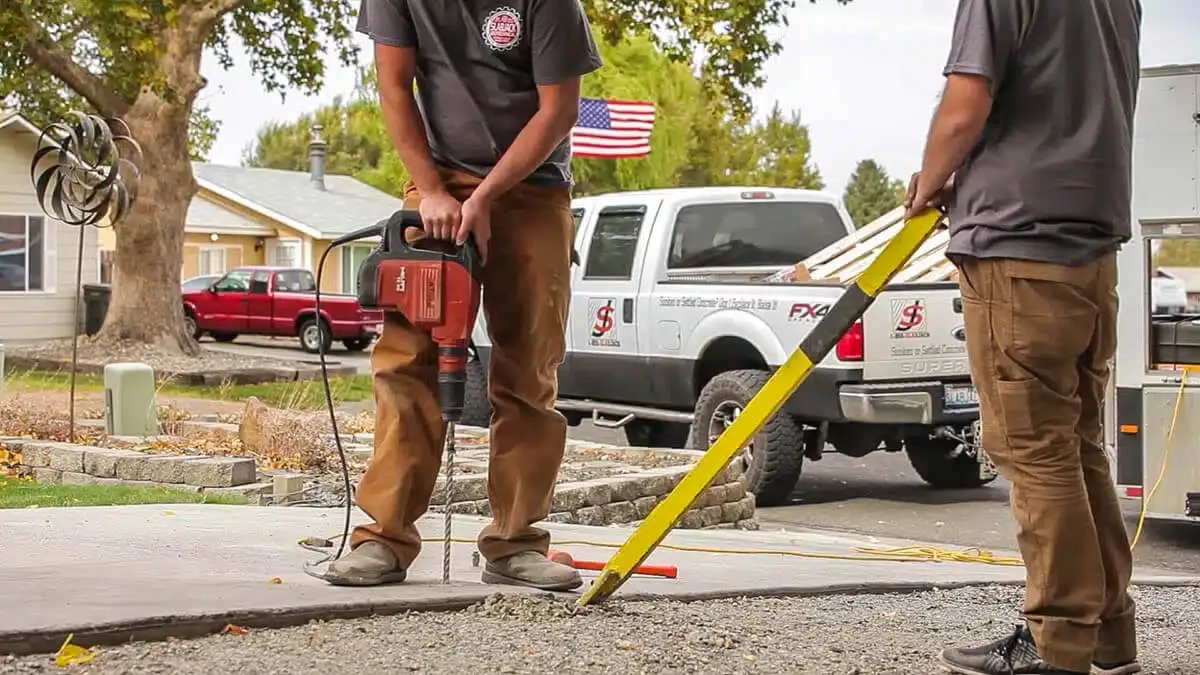
Contact Slabjack Geotechnical for Professional Driveway Crack Repair
Knowing how to fix cracks in concrete driveway surfaces early can make a major difference in cost, appearance, and long-term durability. Small cracks may only need a quality filler or sealant. More widespread surface wear may call for resurfacing. When settlement is involved, slabjacking is often the most effective way to restore support and prevent further deterioration.
The key is acting before a minor issue turns into a costly repair or full replacement project.
If you need help determining the best way to fix driveway cracks, contact Slabjack Geotechnical today. Our team can evaluate the condition of your driveway, explain your repair options, and provide a service quote to help you protect your concrete investment before the damage gets worse.
FAQs
What is the best way to fix driveway cracks?
The best way to fix driveway cracks depends on what caused them and how severe they are. Small surface cracks can often be repaired with concrete crack filler or sealant, while larger or recurring cracks may require resurfacing or slabjacking if the slab is sinking.
What causes cracks in concrete driveways?
Concrete driveway cracks can be caused by shrinkage, age, heavy vehicle loads, poor installation, water intrusion, or soil settlement beneath the slab. In many cases, the real issue is loss of support under the concrete, which can make cracking worse over time.
Will filling cracks stop my driveway from sinking?
Filling cracks can help prevent water from entering and causing more damage, but it will not stop a driveway from sinking if the slab has already lost support underneath. If settlement is the cause, the slab usually needs lifting and stabilization rather than just surface crack repair.
Are driveway cracks always a sign of a serious problem?
Not all driveway cracks mean there is major structural damage, but they should still be monitored closely. Small surface cracks may be cosmetic, while widening cracks or uneven concrete can point to settlement or support issues below the slab.