
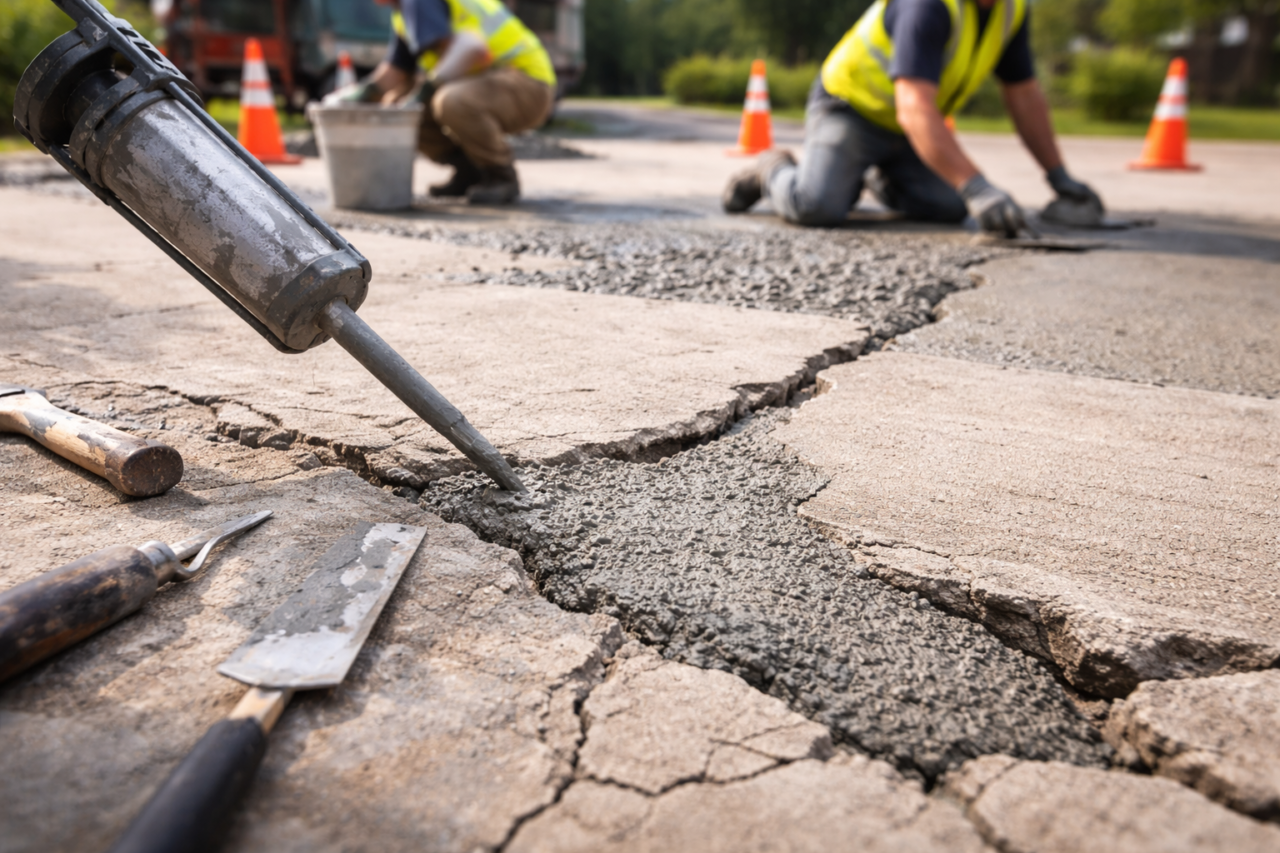
Damaged concrete slabs are more than just an eyesore. Uneven surfaces, cracks, sinking sections, and joint deterioration can create safety hazards, structural concerns, and costly long-term damage. Addressing concrete damage promptly is essential to avoid further issues and prevent the deterioration from spreading. The key to protecting your property is choosing the right concrete repair methods for your specific situation.
In this guide, we provide an in-depth comparison of the most effective concrete slab repair methods available today. Whether you manage a residential driveway, commercial warehouse floor, municipal sidewalk, or industrial facility, understanding your options will help you make an informed decision. Selecting the best repair method is crucial for ensuring durability, restoring structural integrity, and avoiding costly replacements in the future.
Why Choosing the Right Concrete Repair Methods Matters
Concrete slabs can fail for many reasons, including:
- Soil erosion or washout
- Poor compaction beneath the slab
- Freeze-thaw cycles
- Heavy loads or traffic
- Water intrusion
- Improper installation
Not every issue requires full replacement. In fact, modern concrete repair methods often restore strength, alignment, and durability at a fraction of the cost and disruption of demolition and repouring.
Selecting the appropriate concrete slab repair methods depends on the type and severity of damage, soil conditions, drainage concerns, and long-term performance expectations. Choosing the wrong repair method can result in further deterioration of the concrete and lead to increased repair costs over time.
Slabjacking (Concrete Raising)
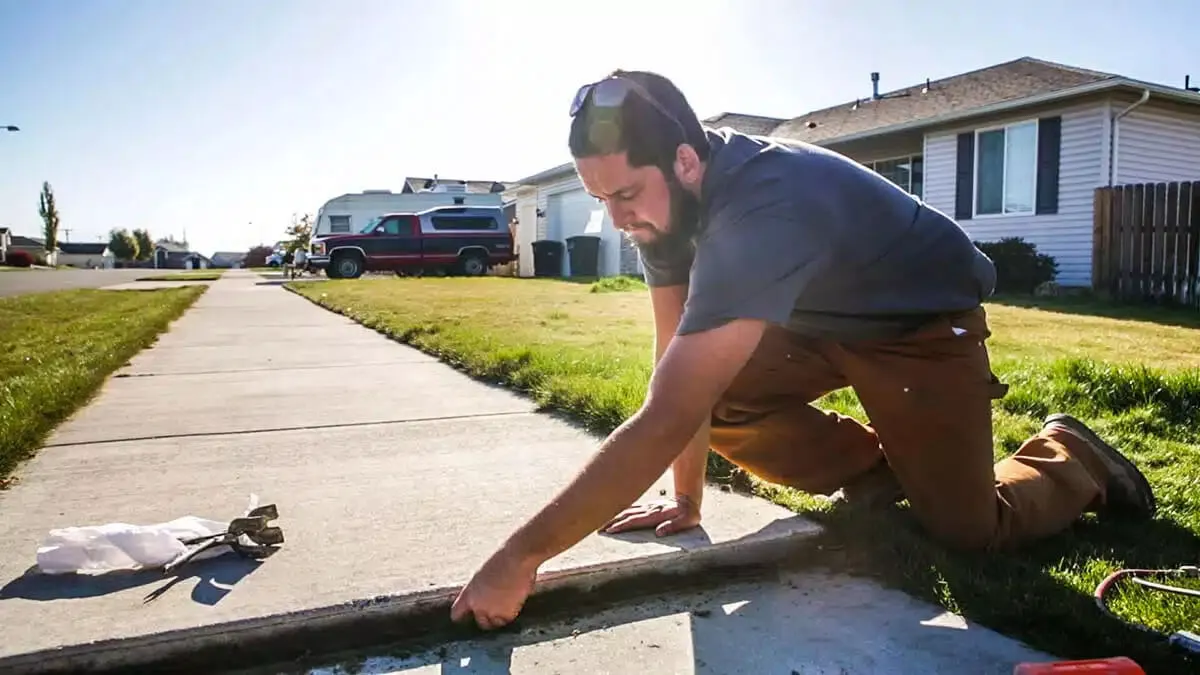
Best For: Sunken or Uneven Concrete Slabs
Slabjacking—also known as concrete lifting or concrete raising—is one of the most efficient concrete slab repair methods for correcting settled concrete. This process involves injecting specialized materials beneath the slab to fill voids and lift the concrete back to its original position.
How It Works:
- Small access holes are drilled into the slab.
- Expanding polymers or grout are injected beneath the surface.
- The material fills voids and gently raises the slab.
- Holes are patched after leveling is complete.
Advantages:
- Minimal disruption
- Fast cure time
- Cost-effective compared to replacement
- Restores load-bearing capacity
- Reduces trip hazards
When It Is the Right Choice:
If your slab is structurally sound but has settled due to soil movement or washout, slabjacking is often the most practical and economical solution.
Pressure Grouting
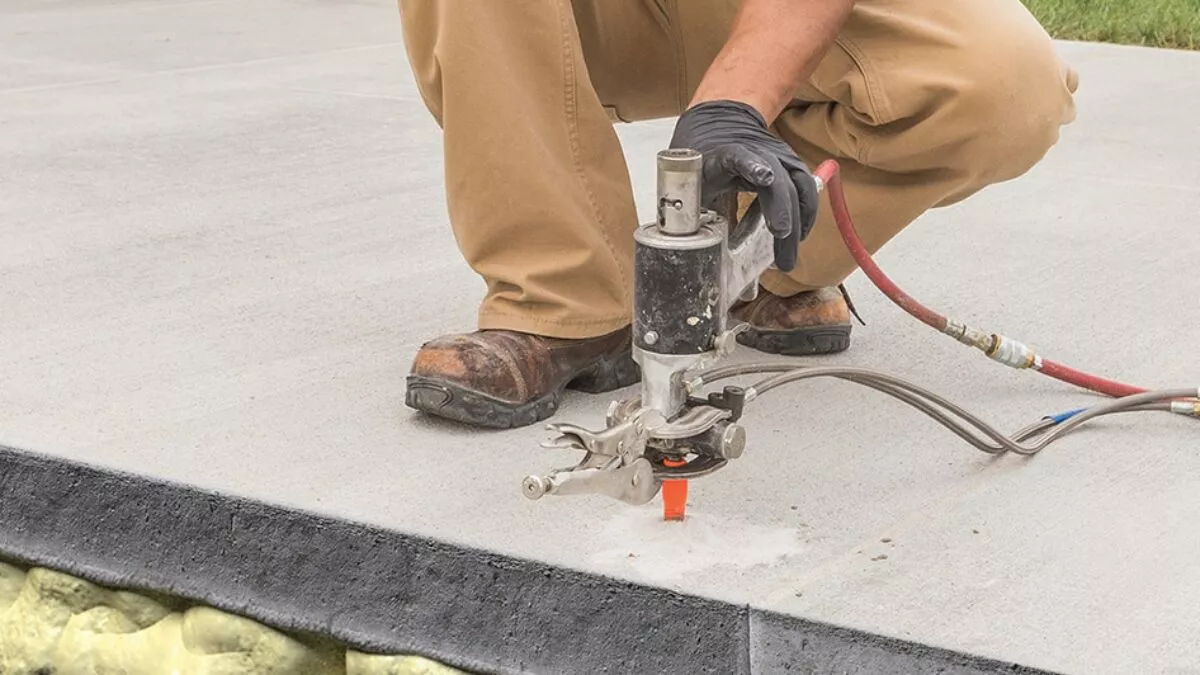
Best For: Deep Voids and Soil Stabilization
Pressure grouting is a specialized concrete repair method used when underlying soil conditions require stabilization in addition to lifting.
How It Works:
- Cementitious grout is injected under pressure beneath the slab.
- The grout fills voids and densifies weak soil.
- The slab is stabilized and may be lifted if needed.
Advantages:
- Improves subgrade strength
- Addresses soil instability
- Long-term stabilization solution
When It Is the Right Choice:
Pressure grouting is ideal for industrial, municipal, and heavy-load environments where soil consolidation is necessary to prevent recurring settlement.
Concrete Crack Repair

Best For: Surface and Structural Cracks
Cracks are among the most common concrete issues. Left untreated, they allow water intrusion, which accelerates deterioration and can compromise structural integrity.
How It Works:
- Cracks are cleaned and prepared.
- Epoxy or specialized repair materials are injected or applied.
- The crack is sealed and reinforced.
Advantages:
- Prevents water damage
- Restores structural strength
- Extends slab lifespan
- Improves appearance
When It Is the Right Choice:
If your slab remains level but shows cracking, concrete crack sealing is one of the most effective concrete slab repair methods to prevent further damage.
Concrete Grinding and Resurfacing

Best For: Surface Imperfections and Minor Elevation Differences
Not all uneven slabs require lifting. Sometimes minor height variations or surface wear can be corrected through grinding or resurfacing.
How It Works:
- High spots are mechanically ground down.
- Surface coatings or overlays may be applied.
- The slab is restored to a smooth, uniform finish.
Advantages:
- Improves safety and appearance
- Cost-effective for minor issues
- Minimal downtime
When It Is the Right Choice:
Grinding and resurfacing are ideal when the slab is stable but has cosmetic damage or slight unevenness.
Concrete Joint Sealing Repair
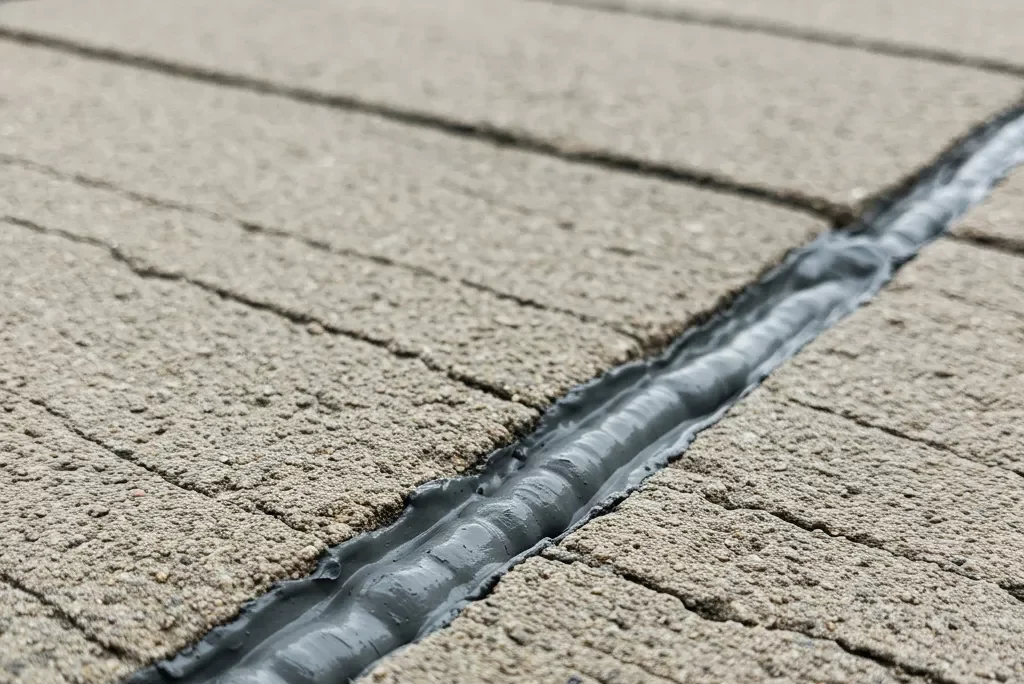
Best For: Preventing Water Intrusion and Edge Deterioration
Concrete joints allow for expansion and contraction, but when joint sealants fail, water can penetrate and weaken the subgrade.
How It Works:
- Damaged sealant is removed.
- Joints are cleaned and prepped.
- New, durable sealant is installed.
Advantages:
- Prevents moisture intrusion
- Reduces erosion under slabs
- Extends slab lifespan
When It Is the Right Choice:
Joint sealing is a preventative concrete repair method that protects your slab from future settlement and cracking.
Comparing Concrete Slab Repair Methods
| Repair Method | Ideal For | Primary Benefit | Cost Efficiency |
| Slabjacking | Sunken slabs | Fast, effective lifting | High |
| Pressure Grouting | Weak soils & deep voids | Soil stabilization | Moderate to High |
| Crack Repair | Cracked slabs | Structural reinforcement | High |
| Grinding/Resurfacing | Surface wear | Smooth finish | High |
| Joint Sealing | Failed joints | Preventative protection | High |
Different concrete repair methods are suited for various concrete structures and repair areas, depending on the type and extent of damage. It is essential to identify and remove any deteriorated concrete in the repair area before applying patching materials to ensure long-term success.
The right concrete slab repair methods depend on the condition of your slab and the underlying soil. In many cases, combining multiple concrete repair methods provides the best long-term solution.
Why Property Owners in Washington and North Idaho Choose Slabjack Geotechnical
At Slabjack Geotechnical, we specialize in delivering advanced concrete repair methods for residential, commercial, municipal, and industrial clients throughout Washington and Northern Idaho.
As a fully licensed, bonded, and insured full-service concrete company, we provide:
- Slabjacking (Concrete Raising)
- Pressure Grouting
- Concrete Crack Repair
- Concrete Grinding and Resurfacing
- Concrete Joint Sealing Repair
What sets us apart is our method. We use only custom-formulated polymers designed to meet demanding performance standards. We are also industry leaders in technological innovation, having pioneered dual-hose and multi-polymer utilization slab lifting. This advanced approach results in:
- Faster lifts
- Far less slab fracturing
- Better void filling
- Fewer callbacks
Our experience in Seattle and the surrounding regions has allowed us to refine our techniques for long-lasting, reliable slab stabilization.
Choosing the Best Concrete Repair Methods for Your Situation
When deciding between different concrete slab repair methods, consider:
- Is the slab structurally sound?
- Has settlement occurred due to soil washout?
- Are cracks allowing water intrusion?
- Is the issue cosmetic or structural?
- What level of load does the slab carry?
When comparing traditional methods and traditional repair methods, such as mudjacking and full slab replacement, with newer techniques like polyurethane foam injection, it’s important to note the advantages of modern approaches.
Polyurethane foam injection offers faster curing times, minimal invasiveness, lighter weight, and effective sealing of cracks, making it a more efficient and cleaner alternative to traditional repair methods. However, some repairs may still require the use of new concrete or fresh concrete, especially when patching damaged areas or replacing sections to restore the structural integrity and appearance of the slab.
A professional evaluation ensures the right solution is applied the first time—saving you money, time, and future repairs.
Contact Slabjack Geotechnical for Expert Concrete Repair
If you are dealing with sinking, cracked, or deteriorating concrete, do not wait for the damage to worsen. The right concrete repair methods can restore safety, stability, and value to your property without the cost of full replacement.
Slabjack Geotechnical proudly serves residential, commercial, municipal, and industrial clients across Washington and Northern Idaho with proven, advanced concrete slab repair methods tailored to each project.
Contact Slabjack Geotechnical today to schedule your professional evaluation and discover the most effective solution for your damaged concrete slabs.
FAQs
What are the most effective concrete repair methods for damaged slabs?
The most effective concrete repair methods depend on the type of damage. Common solutions include slabjacking (concrete raising), pressure grouting, crack repair, grinding and resurfacing, and joint sealing. A professional evaluation helps determine which concrete slab repair methods will deliver the best long-term results.
Is slabjacking better than replacing concrete?
In many cases, slabjacking is more cost-effective and less disruptive than full concrete replacement. This concrete repair method restores settled slabs by lifting them back into position without demolition. Replacement is typically only necessary when the slab is severely damaged beyond repair.
Can cracked concrete slabs be repaired without replacing them?
Yes, many cracked slabs can be repaired using specialized concrete slab repair methods such as epoxy injection or crack sealing. These methods restore structural integrity and prevent water intrusion. Early repair helps prevent cracks from expanding and causing further damage.
What is the difference between pressure grouting and slabjacking?
Both are effective concrete slab repair methods, but they serve slightly different purposes. Slabjacking focuses on lifting and leveling settled slabs, while pressure grouting often strengthens and stabilizes weak soil beneath the slab. The best option depends on site conditions and structural needs.