

Concrete is known for its strength and durability, but in freeze-thaw climates like Washington and Northern Idaho, even well-installed surfaces can deteriorate over time. Concrete spalling—the flaking, chipping, or pitting of a concrete surface—is a common issue for driveways, sidewalks, patios, and commercial slabs exposed to moisture and harsh winter conditions.
Spalling occurs when moisture penetrates the concrete, often leading to the corrosion of steel reinforcement, which causes the surface to break apart and deteriorate. Concrete spalling can have wide-ranging consequences in terms of health and safety, structural integrity, and asset value.
Understanding what causes spalling concrete, how to prevent it, and when to invest in professional concrete spalling repair can help property owners protect their investment and extend the life of their surfaces.
What Is Concrete Spalling?
Concrete spalling refers to the surface breakdown of concrete, typically appearing as shallow pits, flakes, or chips. The most common cause of concrete spalling is the corrosion of embedded steel reinforcement bars or steel sections, often referred to as embedded metals, which deteriorate due to exposure to moisture and de-icing salts. In more severe cases, larger chunks may detach from the slab, exposing aggregate or even reinforcing steel beneath.
In Washington’s climate, spalling often develops within just two to three years of pouring—especially when winter freeze-thaw cycles repeatedly stress the surface. While early signs may seem cosmetic, untreated spalling concrete can quickly lead to deeper structural problems.
What Causes Concrete Spalling in Freeze-Thaw Climates?
Several environmental and installation-related factors contribute to concrete spalling in the Pacific Northwest.
1. Freeze-Thaw Cycles
Freeze-thaw damage is one of the primary causes of spalling concrete. Here’s how it happens:
- Moisture seeps into small cracks and pores in the concrete.
- When temperatures drop, the trapped water freezes and expands.
- Expansion creates internal pressure, forcing the surface to break apart.
Repeated cycles of freezing and thawing accelerate surface deterioration and lead to visible spalling.
2. Deicing Chemicals and Road Salt
Deicing salts are commonly used on driveways, sidewalks, and roads during winter. While they improve traction and safety, they also:
- Increase moisture absorption
- Chemically attack the concrete surface
- Intensify freeze-thaw stress
Deicing salts can trigger chemical reactions, such as the alkali-silica reaction, which weaken concrete and contribute to spalling.
Over time, salt exposure significantly worsens concrete spalling, particularly on exterior slabs. Using de-icing salts can accelerate concrete spalling by promoting corrosion of embedded metals.
3. Rebar Corrosion
When reinforcing steel (rebar) inside the slab is exposed to moisture, it can begin to corrode. Corroding steel expands as it forms rust, creating internal pressure that pushes outward on the surrounding concrete. Corroding steel can expand up to ten times its original volume, exerting stress on the surrounding concrete. This pressure causes cracking and eventually spalling concrete, sometimes revealing the corroded steel underneath.
4. Improper Installation or Finishing
Concrete that is overworked, over-finished, or mixed with excess water during installation or finishing is more vulnerable to early deterioration, as excess water can weaken the surface and increase the risk of spalling. Weak surface layers are more likely to flake and chip under environmental stress, leading to premature concrete spalling.
Signs You Need Concrete Spalling Repair
Early detection is critical. Watch for these signs:
- Surface flaking or scaling
- Small pits or shallow chips
- Larger chunks breaking loose
- Exposed aggregate or reinforcing steel
- Widening cracks around damaged areas
- Trip hazards
Spalling can pose trip hazards and increase maintenance costs for structures that deteriorate unchecked.
If left untreated, minor surface damage can evolve into deeper structural concerns that require more extensive concrete spalling repair.
Effective Concrete Spalling Repair Options
Choosing the right concrete spalling repair method depends on the depth of the damage, the condition of the underlying slab, and whether structural issues are present. Various repair methods are available for repairing spalling and repairing spalled concrete, depending on the extent of the damage.
Concrete repairs should be carried out in accordance with international standards such as BS EN 1504 in Europe and ACI CODE-562-21 in the USA.
Below are specific types of concrete repairs commonly used to restore spalling concrete in freeze-thaw climates like Washington and Northern Idaho.
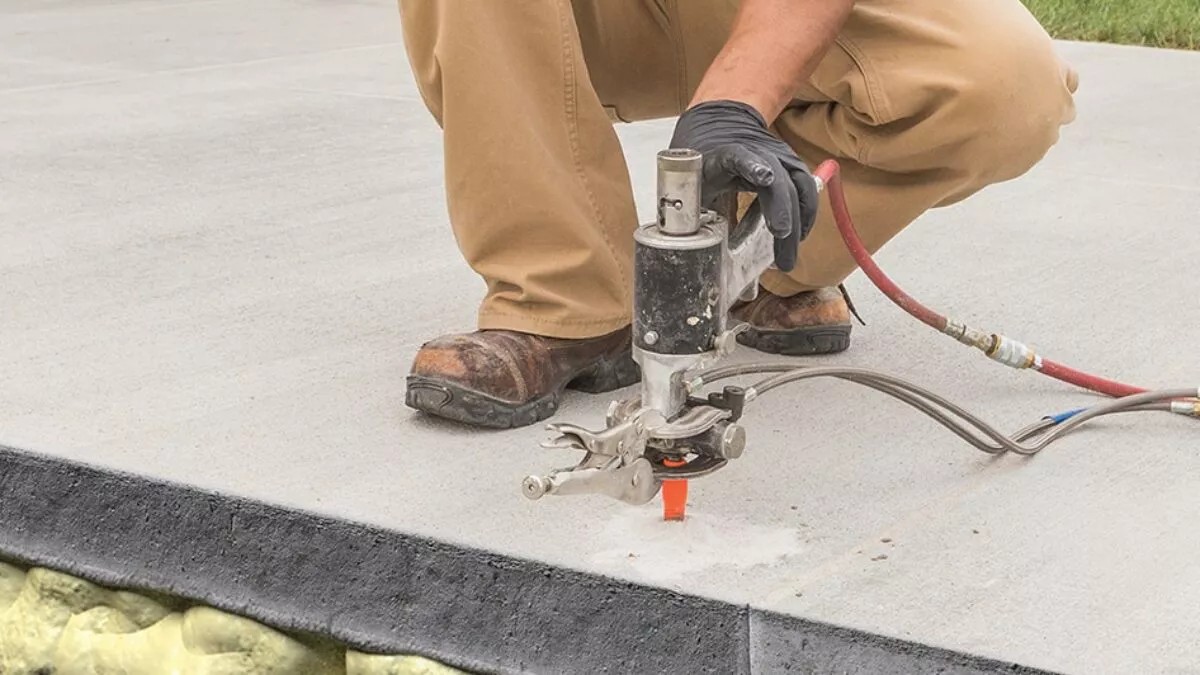
Crack Injection Repair
When concrete spalling is accompanied by cracking, epoxy or polyurethane crack injection can restore structural continuity and prevent further moisture intrusion.
- Epoxy injection bonds the concrete back together and restores structural strength.
- Polyurethane injection expands to seal active leaks and block water infiltration.
This type of repair is ideal when freeze-thaw cycles have widened cracks and allowed water to penetrate beneath the surface.
Partial-Depth Patching
For localized surface damage where the deterioration has not compromised the full slab thickness, partial-depth patching is often effective.
This process includes:
- Removing all loose and deteriorated concrete
- Cleaning and preparing the exposed surface
- Applying a polymer-modified repair mortar designed for durability in freeze-thaw conditions
Proper bonding agents are used to ensure the patch integrates with the existing slab and resists future spalling concrete issues.
Full-Depth Concrete Replacement
When damage extends through the entire slab thickness or when structural integrity is compromised, full-depth replacement may be required.
This involves:
- Cutting and removing the affected section
- Addressing subgrade issues if present
- Pouring new, properly reinforced concrete
Full-depth repair ensures that both surface-level concrete spalling and underlying structural problems are corrected.
Concrete Resurfacing and Overlays
If spalling concrete is widespread but relatively shallow, resurfacing can restore both appearance and durability.
Concrete resurfacing includes:
- Surface grinding or preparation
- Application of a bonded overlay or polymer-modified topping
- Smoothing and finishing for uniform protection
High-performance overlays add a protective layer that resists moisture penetration and freeze-thaw damage.
Slab Stabilization and Void Filling
In some cases, concrete spalling is aggravated by soil settlement or voids beneath the slab. When slabs move or flex due to unstable subgrade conditions, surface cracking and spalling often follow.
Slab stabilization involves:
- Injecting engineered polymer materials beneath the slab
- Filling voids and stabilizing the soil
- Lifting and leveling settled concrete when necessary
By correcting underlying support issues, this repair method prevents recurring concrete spalling and extends the life of the surface.
How to Prevent Concrete Spalling
While not all damage can be avoided, proactive maintenance significantly reduces risk. Implementing preventive measures is crucial to avoid future damage and slow down the processes that accelerate spalling. Preventing concrete spalling involves addressing the root causes such as moisture infiltration and corrosion of embedded steel. The rate at which spalling spreads depends on several factors, including the severity of environmental conditions and the quality of the concrete.
Apply a High-Quality Sealer
A penetrating concrete sealer helps block moisture infiltration, reducing freeze-thaw stress. In freeze-prone climates, resealing every few years is a smart investment.
Maintain and Repair Cracks Promptly
Small cracks allow water to enter and expand during freezing temperatures. Early crack repair helps prevent future spalling concrete.
Limit Deicing Salt Use
Whenever possible:
- Use sand for traction instead of salt.
- Choose concrete-safe deicing products.
- Rinse surfaces in spring to remove salt residue.
Practice Proper Maintenance
- Clean surfaces regularly with appropriate pressure settings.
- Avoid heavy, metal-edged shovels that can chip the surface.
- Ensure proper drainage to prevent standing water.
Preventative maintenance is far more cost-effective than extensive concrete spalling repair later on.
Prevent Concrete Spalling with Proper Design
Preventing spalling concrete begins long before the first slab is poured. Thoughtful design is the foundation of durable concrete structures, especially in regions prone to freeze-thaw cycles. One of the most critical factors is ensuring adequate concrete cover over embedded steel reinforcement bars. Sufficient concrete cover acts as a protective barrier, shielding steel reinforcement from moisture and de-icing salts that can trigger corrosion and lead to spalling.
Selecting the right concrete mix is equally important. A mix designed for freeze-thaw resistance, with low permeability and the appropriate air-entrainment, helps concrete withstand repeated cycles of freezing and thawing without cracking or surface breakage. Incorporating corrosion inhibitors and protective coatings during the design phase can further safeguard embedded steel from rust and deterioration, addressing one of the primary underlying causes of spalling—corroded reinforcing steel and rusted rebar.
Proper placement of steel reinforcement ensures that stress is distributed evenly, reducing the risk of internal pressure and surface spalling. By considering these factors—concrete cover, mix design, steel placement, and protective additives—engineers and builders can create concrete structures that resist spalling and require less frequent repairs. Regular maintenance and inspections remain essential, as they help catch early signs of spalling or corrosion of embedded steel, allowing for timely intervention before further damage occurs.
Professional Concrete Spalling Repair in Washington and Northern Idaho
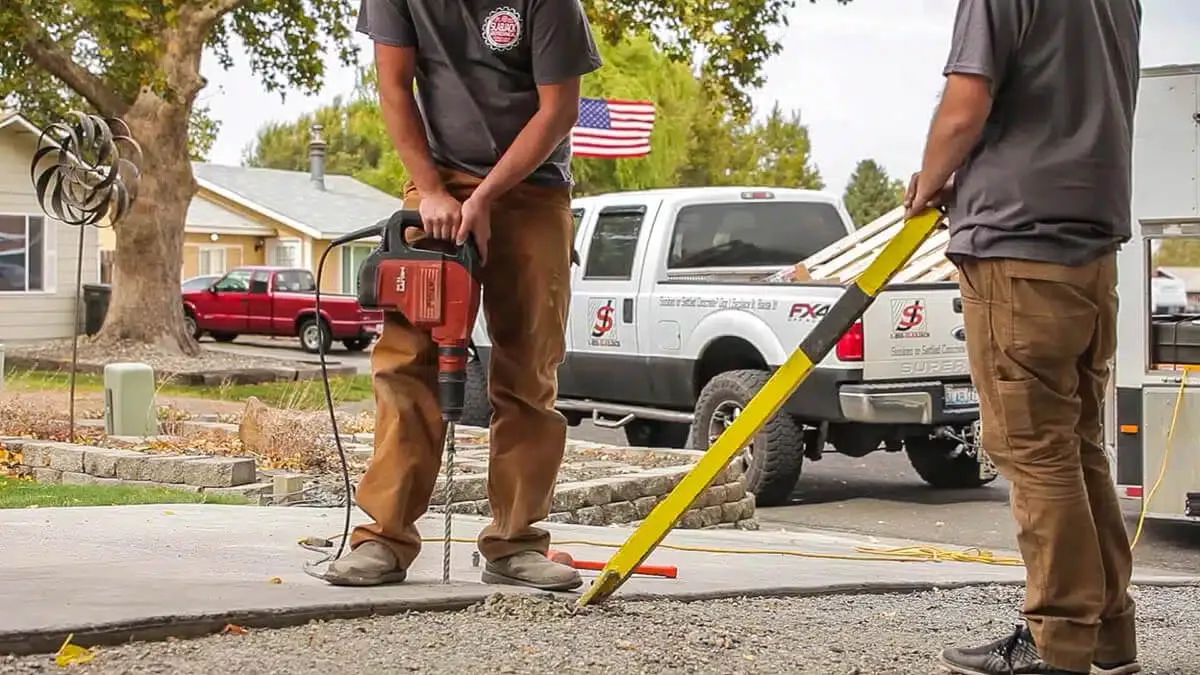
At Slabjack Geotechnical, we understand the challenges that freeze-thaw cycles bring to concrete surfaces throughout Washington and Northern Idaho. Our team provides a full range of professional concrete spalling repair and slab stabilization services designed to restore durability and extend surface life.
We use only custom-formulated polymers that meet our demanding specifications. As a leader in technological development within our industry, Slabjack Geotechnical pioneered dual-hose and multi-polymer utilization slab lifting. This innovative method allows for:
- Faster lifts
- Far less slab fracturing
- Better void filling
- Fewer callbacks
When spalling concrete is linked to underlying settlement or voids, our advanced slab lifting and stabilization solutions address the root cause—not just the surface damage. From residential driveways and sidewalks to commercial and municipal concrete surfaces, we deliver reliable, long-lasting repair solutions tailored to the region’s climate conditions.
Protect Your Investment With Expert Concrete Spalling Repair
Concrete spalling is more than a cosmetic issue—it is a warning sign that your concrete surface is under stress. In freeze-thaw climates, early intervention and proper repair are essential to prevent escalating damage.
If you are noticing signs of spalling concrete on your driveway, patio, walkway, or commercial slab, do not wait for the problem to worsen. The experienced team at Slabjack Geotechnical is ready to assess your surface and recommend the most effective concrete repair solution for your property.
Contact Slabjack Geotechnical today to schedule an evaluation and protect your concrete surfaces for years to come.
FAQs
Is spalling concrete a structural problem?
Spalling concrete can begin as a cosmetic issue but may become structural if left untreated. When deeper layers are affected or reinforcing steel is exposed, the integrity of the slab may be compromised. Professional inspection helps determine whether structural concrete spalling repair is needed.
Can concrete spalling be repaired?
Yes, concrete spalling repair is possible using resurfacing products, patching compounds, or partial-depth repairs. Repairing spalling involves assessing the extent of the damage, selecting the right repair method, and taking steps to prevent future deterioration. The appropriate method depends on the severity of the damage. Severe cases may require professional slab stabilization or section replacement.
Can spalling concrete spread if not repaired?
Yes, spalling concrete often worsens if left untreated. As moisture continues to enter exposed areas, freeze-thaw cycles cause the damage to expand. Early concrete spalling repair helps prevent more costly and extensive repairs later.
What is the best method for concrete spalling repair?
The best concrete spalling repair method depends on the depth and cause of the damage. There are several repair methods available, including patching, resurfacing, and, for deeper damage, removal and replacement of affected areas. Accurate assessment is important to choose the most suitable repair method. Addressing underlying issues like voids or settlement ensures long-term results.