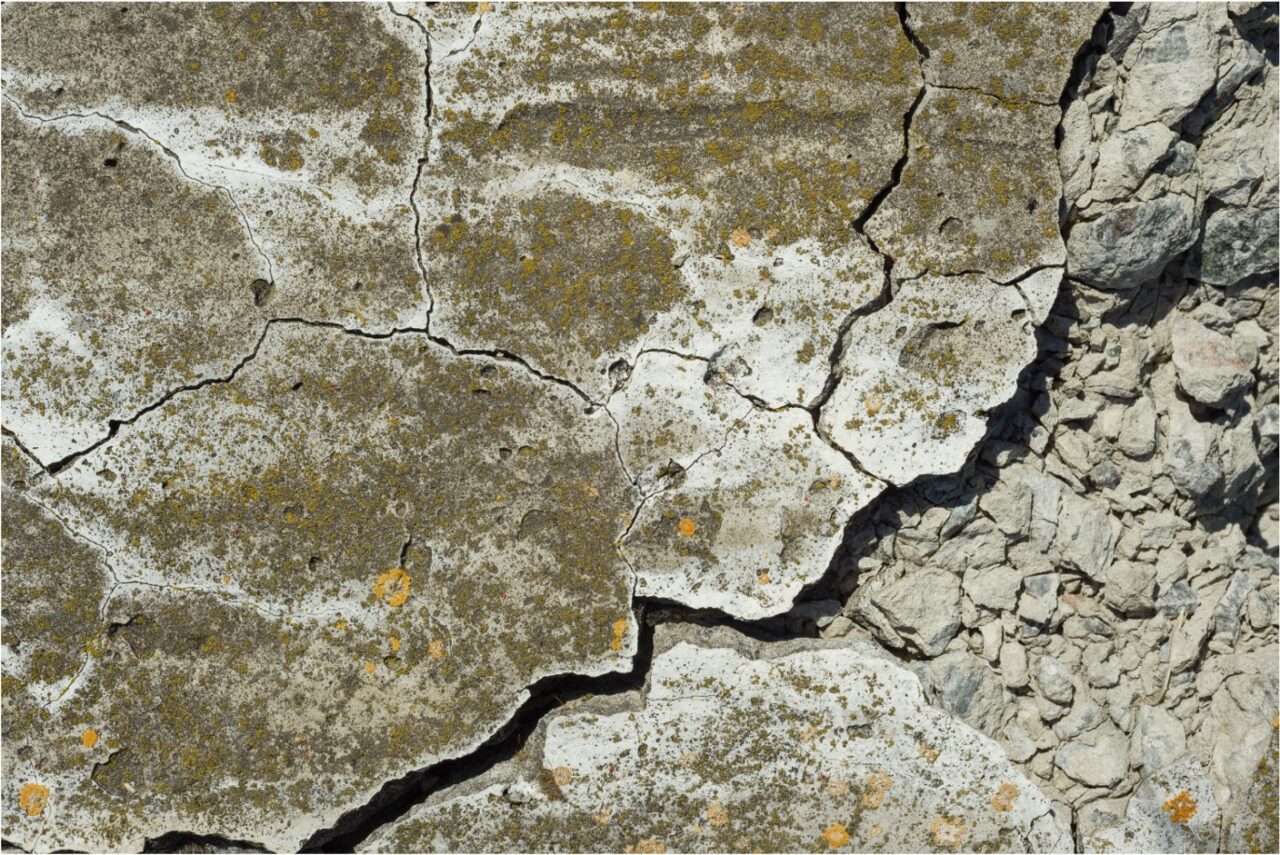
Homeowners and property managers often search for concrete crack repair before and after examples to understand what professional concrete restoration can truly achieve. These comparisons offer more than visual appeal—they reveal improvements in safety, durability, structural stability, and long-term performance.
Whether the concern involves a hazardous sidewalk, a sinking patio corner, or a cracked driveway, before-and-after results help set realistic expectations for the repair process and the level of transformation possible.
We’ll explore what causes concrete to crack, walk through real-world before-and-after repair scenarios, and explain the professional methods used to restore slabs across Washington and Northern Idaho.
Understanding Why Before and After Concrete Repair Is So Important
Before reviewing specific transformations, it’s helpful to understand why concrete cracks in the first place—and why before and after concrete repair comparisons provide valuable insight for property owners evaluating repair options. Cracking and settlement can occur gradually over years or quickly after a harsh season, but the underlying causes often fall into predictable categories.
Natural settling and soil movement
The soil beneath concrete shifts over time due to compaction, moisture changes, and erosion. When the support beneath a slab weakens or voids develop, concrete settles unevenly, leading to cracks and surface displacement.
Freeze–thaw cycles
In colder climates, water seeps beneath slabs or into existing cracks. As temperatures drop, the water freezes and expands, exerting significant force on the concrete. This repeated cycle widens cracks, creates new fractures, and accelerates deterioration.
Poor initial installation
Insufficient reinforcement, inadequate soil preparation, improper joint placement, or low-quality concrete mixes can cause premature cracking. Even a small mistake during installation can lead to major problems years later.
Heavy traffic or load stress
Driveways, sidewalks, patios, and commercial walkways endure continuous use. Vehicles, equipment, and heavy foot traffic apply pressure that eventually breaks down weak or compromised points in the slab.
All these factors contribute to uneven surfaces, widening cracks, and structural instability—problems that become immediately clear when reviewing before-and-after transformation photos.
Sidewalk Concrete Crack Repair Before and After Results
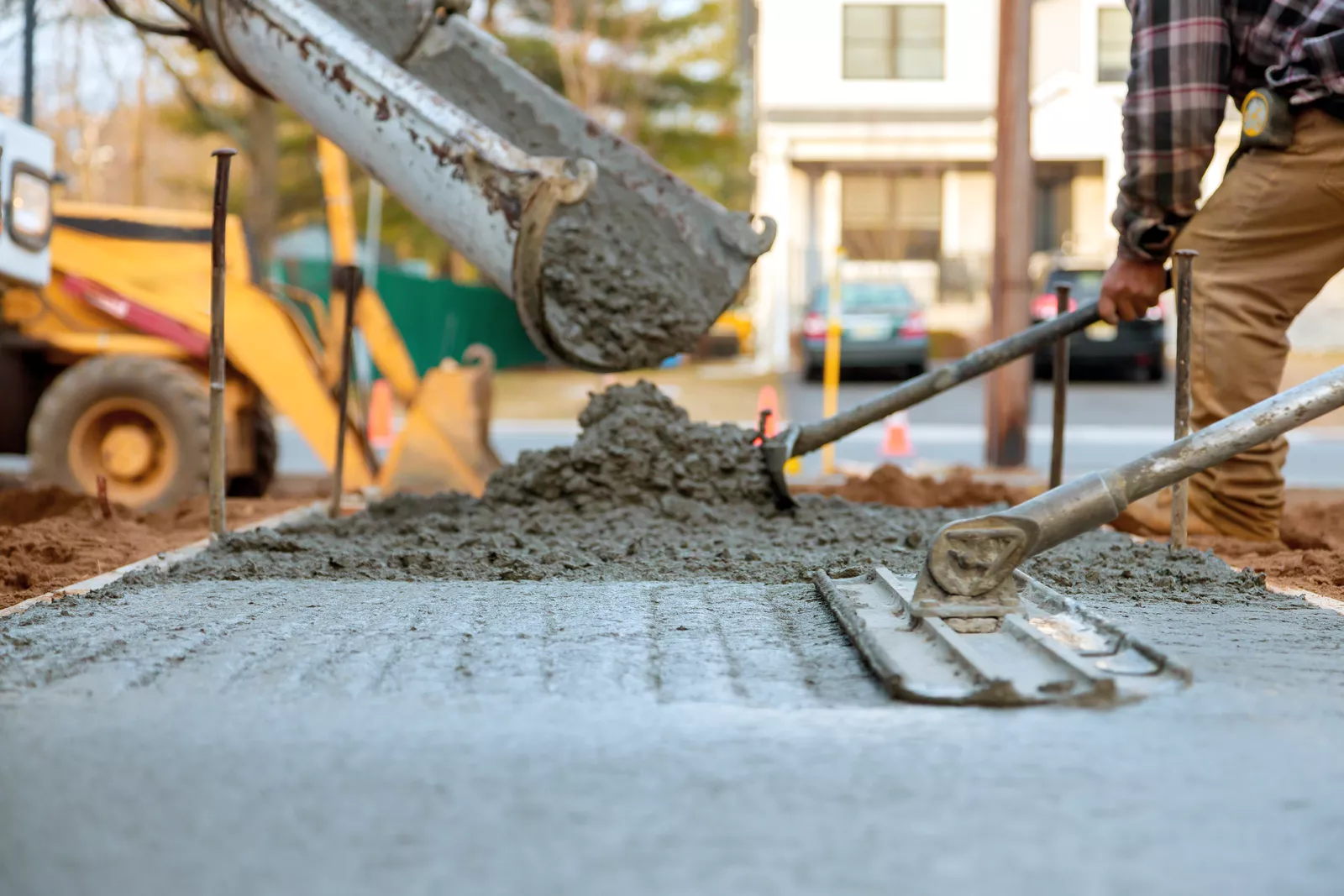
Sidewalks are among the most common areas to develop cracks and settlement, primarily due to soil erosion, tree roots, and weather exposure. Before repair, sidewalks often show lifted edges, deep gaps between panels, and uneven surfaces that create trip hazards. These hazards increase liability risks for property owners and disrupt safe pedestrian use.
After repair, polyurethane lifting brings the sidewalk panels back to proper height and alignment. Settlement gaps are closed, trip hazards are eliminated, and the cracks are sealed to prevent future water intrusion. The result is a smooth, level walkway that not only looks significantly better but is also safer and more durable for long-term use. This type of transformation clearly demonstrates how targeted concrete repair can restore both structural integrity and public safety.
Patio Crack Repair — Before and After Transformations
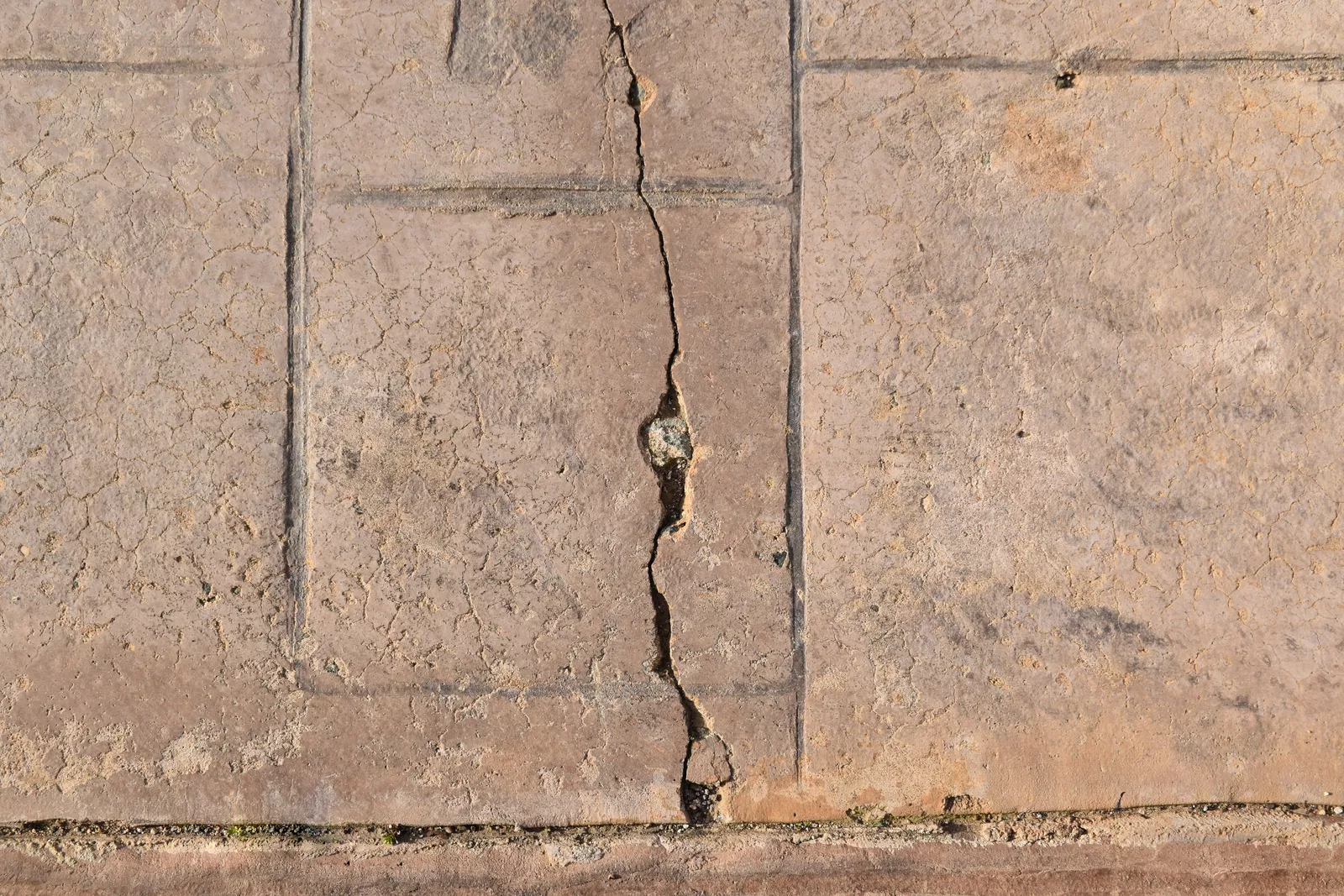
Patios often develop cracks due to soil washout, improper drainage, or seasonal freeze–thaw cycles. Before repair, homeowners frequently report sinking corners, spreading cracks, or uneven surfaces that disrupt outdoor furniture and create unstable walking areas. These issues also detract from the appearance of outdoor living spaces.
After repair, the slab is lifted and leveled using polyurethane, which fills underlying voids and stabilizes the soil. Once the slab is properly supported, cracks and joints are sealed to protect against moisture and prevent further deterioration. The patio surface becomes consistent, even, and visually cohesive. These improved aesthetics, combined with restored functionality, demonstrate the powerful impact of professional repair on outdoor spaces.
Driveway Crack Repair — Before and After Restoration
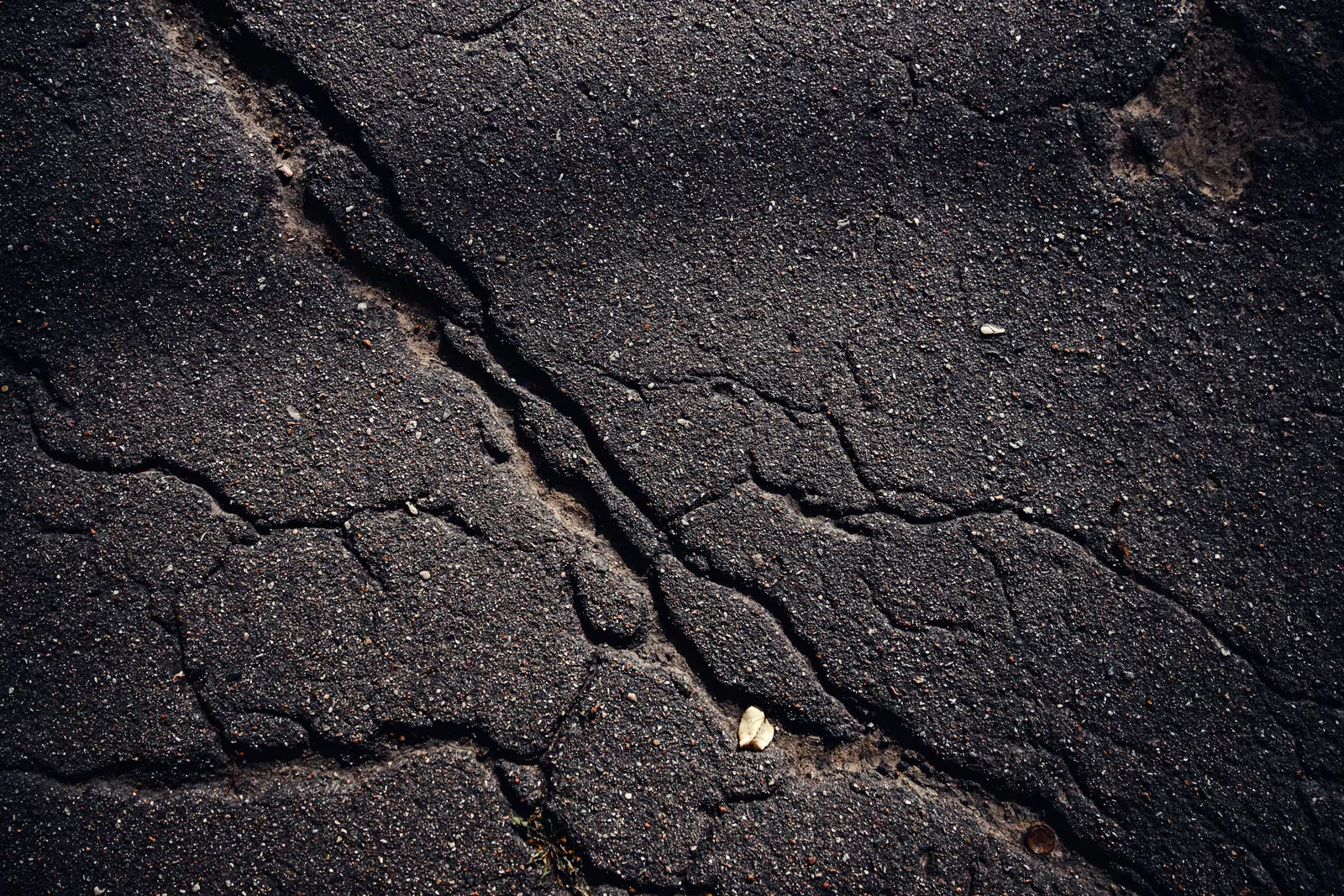
Driveways endure some of the heaviest loads on residential properties and are highly susceptible to cracking and settlement. Before repair, driveways often display long linear cracks, sinking tire paths, slab separation, and uneven transitions between panels. These issues create drainage problems and reduce curb appeal.
After repair, polyurethane foam is injected beneath the affected areas to lift and stabilize the slabs. Cracks and joints are then sealed to prevent water from entering the subgrade, which helps prevent future settlement. The finished driveway is smoother, safer to drive on, and more visually appealing. The dramatic transformation highlights how comprehensive repair restores structural stability and enhances the overall appearance of a home’s exterior.
The Concrete Crack Repair Process Explained
Understanding the repair process helps homeowners appreciate how those striking before-and-after transformations are achieved. At Slabjack Geotechnical, concrete repair involves a detailed, methodical approach to ensure long-lasting performance.
1. Assessment and Diagnosis
The first step is identifying the root cause of cracking or settlement. Technicians evaluate soil conditions, drainage patterns, slab movement, and the extent of cracking. This diagnosis ensures that repair solutions address underlying issues—not just surface-level symptoms.
2. Lifting and Leveling Using Polyurethane
Polyurethane lifting is one of the most advanced and reliable methods for restoring concrete surfaces. Once injected beneath the slab, the foam expands to fill voids, stabilize the soil, and lift the concrete back to its original elevation.
Unlike mudjacking, polyurethane is lightweight, cures rapidly, and does not add weight to the soil. It offers a clean application with minimal disruption, making it ideal for sidewalks, patios, driveways, and commercial slabs.
3. Crack and Joint Caulking
After lifting is complete, crack and joint sealing protect the slab from future deterioration. High-quality sealants prevent water from reaching the soil beneath the slab, reducing the risk of erosion, freeze–thaw damage, and progressive cracking. Combined with polyurethane lifting, this creates a long-term solution that extends slab life and preserves structural integrity.
Professional Concrete Repair for Washington & Northern Idaho
Slabjack Geotechnical has repaired concrete surfaces throughout Washington and Northern Idaho for years, offering specialized expertise in lifting, leveling, and sealing concrete using the industry’s most advanced materials.
Our polyurethane injection method provides precise elevation control, long-lasting durability, and minimal disruption to surrounding areas. From sidewalks and patios to driveways and commercial surfaces, our team delivers dependable repairs backed by proven techniques and a customer-first approach.
We use professional-grade materials designed for regional conditions, including freeze–thaw cycles and soil variability. Our repairs are engineered not only to improve appearance but also to enhance long-term structural performance. These are the qualities reflected clearly in our before and after concrete repair results—and why homeowners trust Slabjack for reliable, long-lasting concrete solutions.
Choosing the Right Concrete Repair Solution for Your Property
When choosing a contractor, reviewing concrete crack repair before and after photos is one of the most effective ways to assess skill, method quality, and expected outcomes. These transformation examples reveal how dramatically damaged concrete can be restored when proper lifting, leveling, and sealing techniques are used.
If your sidewalk, patio, driveway, or commercial slab is showing signs of cracking or settlement, Slabjack Geotechnical is ready to help. Contact us today for a professional quote and experience the difference that expert concrete repair can make—restoring safety, stability, and appearance with long-lasting results.
Frequently Asked Questions
Why do cracks return even after they’ve been repaired?
Cracks often reappear when the underlying soil is unstable or when joints aren’t properly sealed after lifting. Stabilizing the slab and sealing cracks prevents water intrusion and significantly reduces the chance of recurring damage.
How do I know whether my slab needs lifting or just crack repair?
If the slab is uneven, sinking, or separating at the joints, lifting with polyurethane is typically required before sealing. Surface-only cracking with no elevation change may need only professional caulking.
Can I delay repairing cracks if they don’t look severe yet?
Even small cracks allow water to seep under the slab, leading to erosion, freeze–thaw damage, and eventual slab settlement. Early repair prevents much more expensive structural issues later.
Will repairing my concrete change how the surface looks?
Yes. Professional lifting and sealing significantly improve surface appearance by leveling slabs, closing gaps, and preventing cracks from widening. The goal is both structural stability and aesthetic improvement.
How long do concrete crack repairs typically last?
With proper lifting, sealing, and soil stabilization, repairs can last many years. Longevity depends on factors like drainage, climate, traffic loads, and material quality—but polyurethane and commercial-grade sealants offer long-term performance.