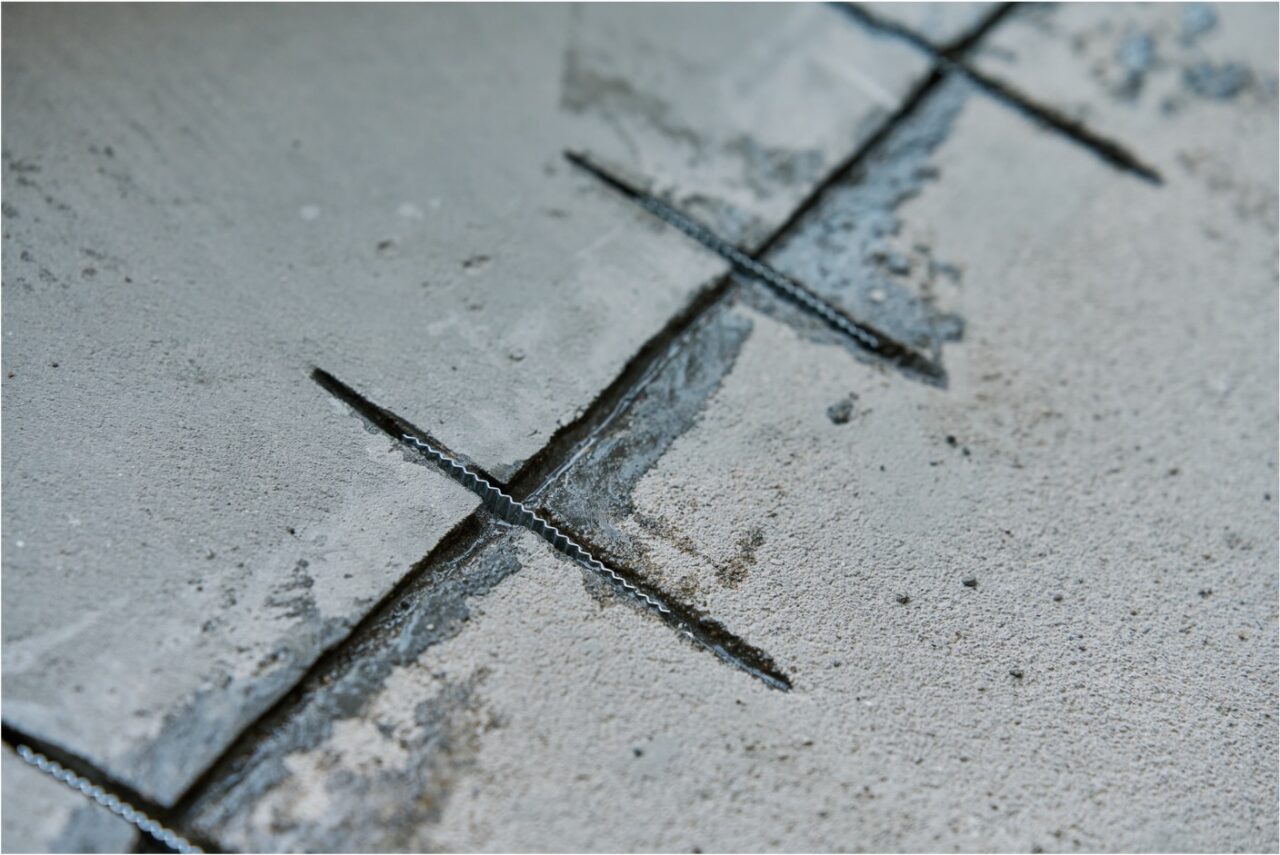
Concrete is strong, but even the most durable slabs need space to move. Seasonal weather changes, soil shifts, and heavy loads all cause expansion and contraction. To prevent cracking and structural stress, concrete surfaces are built with expansion joints—intentional gaps that absorb movement. But expansion joints only work when they are properly sealed. That’s where concrete expansion joint caulk becomes essential.
Over time, the material inside these joints breaks down, leaving concrete vulnerable to cracking, slab displacement, and water intrusion. In regions like Washington and Northern Idaho—where freeze–thaw cycles, moisture, and temperature variations are common—maintaining expansion joints is critical. As a leader in concrete preservation, Slabjack Geotechnical uses long-lasting sealing techniques to help property owners protect their concrete surfaces for decades.
Why Expansion Joints Matter in Concrete Construction
Concrete expands in heat and contracts in cold. Without room to move, it will crack under pressure. Expansion joints act as controlled pathways for this movement, preventing damage across concrete slabs such as driveways, sidewalks, patios, pool decks, and commercial floors.
When the joints fail—or the sealant deteriorates—several problems occur:
Cracking Across Concrete Surfaces
Movement transfers directly into the slab, causing stress fractures.
Slab Shifting and Settlement
Unsealed joints allow water to seep beneath the surface, weakening the soil and causing slabs to sink or lift.
Water Intrusion and Freeze–Thaw Damage
Moisture expands when frozen, widening cracks and accelerating deterioration.
Because of these risks, expansion joint caulking is a necessary protective measure that preserves concrete’s structural performance.
What Causes Concrete Expansion Joints to Fail?
Even the best sealants eventually wear down. However, certain conditions common to the Northwest accelerate joint failure.
1. Weather Exposure
UV rays, rain, and temperature shifts gradually degrade sealant elasticity. Over time, caulk becomes brittle and loses adhesion.
2. Freeze–Thaw Cycles
In Washington and Northern Idaho, freeze–thaw cycles are a major contributor to joint damage. When water enters a joint and freezes, it expands with enough force to break apart old caulk and widen gaps.
3. Heavy Loads and High-Traffic Wear
Driveways, commercial walkways, loading docks, and warehouse floors experience frequent stress. Vehicle traffic, machinery, and equipment cause joints to flex and weaken.
4. Poor Installation or Aging Materials
If the original sealant was applied improperly—or if low-quality materials were used—the joint can fail prematurely.
5. Soil Movement Beneath the Slab
As soil settles or shifts, slabs move accordingly. This motion can tear or separate existing sealant.
Once joint failure occurs, the concrete is exposed to water penetration, undermining soil and triggering cracking and slab movement. Slabjack Geotechnical frequently sees these issues in both residential and commercial environments, making timely re-caulking essential.
What Is Concrete Expansion Joint Caulk?

Concrete expansion joint caulk is a flexible, durable sealant designed to fill joints and allow concrete slabs to move without cracking. Joint sealants also prevent water, debris, and chemicals from entering the joint and damaging the slab edges.
Types of Sealants Used in Expansion Joint Caulking
Different environments require different sealants:
Polyurethane Caulk
- Highly flexible and strong
- Ideal for exterior joints exposed to weather
- Resistant to abrasion and movement
Silicone Caulk
- Excellent UV resistance
- Long-lasting elasticity
- Performs well in wet climates
Elastomeric Sealants
- Designed for high movement
- Durable and weather-resistant
- Ideal for large joints or industrial slabs
Why Material Quality Matters
High-quality sealants offer:
- Superior elongation (stretch capability)
- Strong adhesion to concrete
- Water and chemical resistance
- Flexibility that lasts through seasonal changes
- Long-term durability
We use commercial-grade sealants engineered for heavy movement and harsh conditions—critical for long-term protection in the Northwest.
Signs Your Expansion Joints Need Re-Caulking
Without routine maintenance, joint sealants deteriorate. Watch for:
- Visible gaps or missing caulk
- Crumbling, brittle, or loose material
- Water draining directly into the joint
- Weeds or debris growing between slabs
- Cracks forming near the joint
- Slabs shifting or separating
Our technicians see these warning signs frequently during inspections. Addressing them early prevents larger repairs, such as slab lifting or crack stitching.
How Expansion Joint Caulking Repairs and Protects Concrete
Re-caulking involves more than applying new sealant. Proper preparation and installation are essential to long-term performance.
1. Remove Old Caulk and Clean the Joint
Damaged or deteriorated material is cut out and removed. The joint is cleaned to ensure a strong bond.
2. Install Backer Rod (If Needed)
A backer rod ensures correct joint depth and provides a surface for the sealant to rest against, improving flexibility and longevity.
3. Apply Concrete Expansion Joint Caulk
The chosen sealant is applied with precision to create a watertight, flexible barrier.
4. Tool the Joint for Proper Bonding
Tooling shapes the sealant and ensures adhesion to both sides of the joint.
5. Curing and Final Inspection
Once cured, the joint is inspected to confirm uniformity, elasticity, and sealing integrity.
Why This Method Prevents Damage
Properly sealed joints:
- Block water from reaching the subgrade
- Reduce freeze–thaw expansion
- Protect slab edges from chipping
- Maintain structural stability
- Minimize long-term cracking
Using the right materials and techniques is essential—something Slabjack Geotechnical emphasizes in every repair.
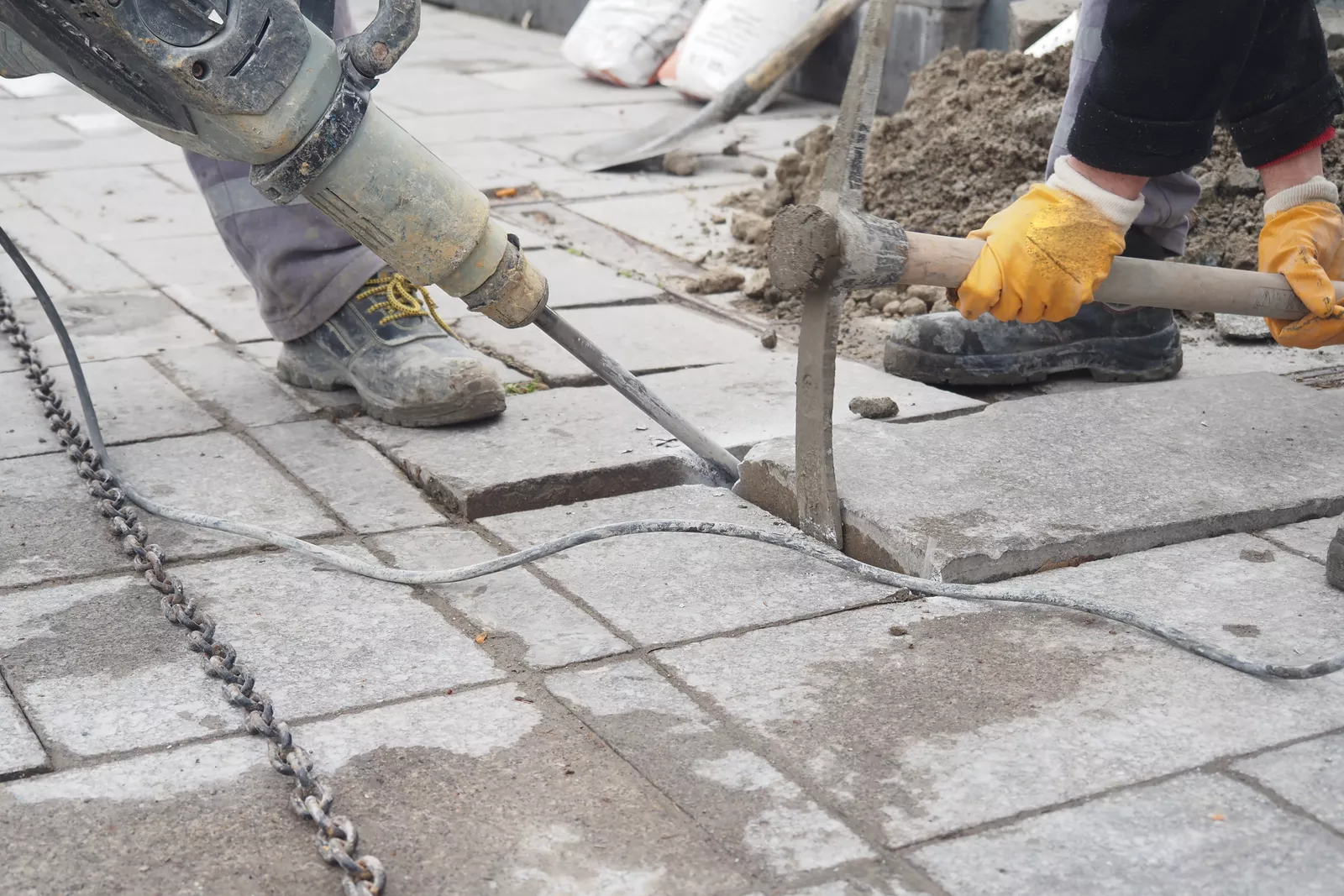
Benefits of Professionally Caulked Expansion Joints
Professional sealing provides several long-term advantages:
1. Prevents Water Intrusion Beneath the Slab
Moisture undermines soil, causing settlement. Caulking eliminates this risk.
2. Protects Against Freeze–Thaw Damage
Sealed joints stop water from entering and freezing inside gaps.
3. Reduces Slab Movement and Crack Formation
By absorbing movement, joints preserve slab alignment.
4. Enhances Appearance and Cleanliness
Debris, weeds, and dirt are kept out, improving the overall look of concrete surfaces.
5. Cost-Effective Long-Term Protection
Joint caulking is far less expensive than slab replacement or major structural repairs.
Expansion Joint Caulking vs. Other Concrete Repair Methods
Although expansion joint caulking is essential, it addresses a specific type of problem.
When Caulking Alone Is Sufficient
- Only the joint sealant has deteriorated
- No signs of settlement or slab movement
- No active cracks forming near the joint
When Additional Repairs Are Necessary
- If slabs have settled, polyurethane lifting (geopolymer injection) should be completed before caulking
- If cracks have already formed, crack repair may be required as well
Why Not Mudjacking?
Mudjacking is heavier, less precise, and can worsen settlement. Modern geopolymer methods are cleaner, lighter, and longer lasting.
Slabjack Geotechnical routinely evaluates which repair combination provides the most durable results.
Slabjack Geotechnical: Regional Experts in Concrete Crack & Expansion Joint Caulking
With years of experience serving Washington and Northern Idaho, Slabjack Geotechnical specializes in concrete preservation techniques designed for the Northwest’s unique climate and soil conditions. Our team uses commercial-grade sealants, precision application methods, and industry-leading inspection standards.
We provide:
- Expansion joint caulking
- Crack repair
- Slab lifting and leveling
- Soil stabilization with geopolymer injection
- Concrete preservation for residential, commercial, and industrial properties
Our experience across diverse environments—from homes to warehouses—ensures repairs that last.
Protect Your Concrete With Proper Joint Caulking
Expansion joints play a critical role in keeping concrete strong, stable, and long-lasting. When sealed with high-quality concrete expansion joint caulk, these joints prevent cracking, water intrusion, and slab shifting. In regions with challenging weather patterns, proper joint maintenance is essential to extending concrete life and preventing costly repairs.
For durable protection, long-lasting performance, and expert workmanship, expansion joint caulking remains one of the smartest investments you can make in your concrete surfaces.
Frequently Asked Questions
What happens if I ignore failing expansion joint caulk?
When joint caulk deteriorates, water enters the subgrade and causes erosion, leading to slab settlement, cracking, and freeze–thaw damage. The longer the joint is left unsealed, the more extensive—and costly—the repairs become.
Can I re-caulk my own expansion joints?
DIY caulking often fails because joints need proper depth, backer rod installation, and commercial-grade materials to perform correctly. Improper application can trap moisture or crack prematurely, creating bigger problems later.
How do I know if slab settling must be fixed before caulking?
If slabs are uneven, shifting, or show edge cracking, they likely need lifting or stabilization before caulking. Sealing joints on an unstable slab won’t prevent further damage and may cause the new caulk to fail quickly.
How long does professional expansion joint caulking last?
With high-quality materials and proper installation, joint caulking can last many years, even in harsh climates. Lifespan depends on exposure, traffic, material choice, and soil stability.
Will expansion joint caulking stop existing cracks from getting worse?
Caulking does not repair cracks, but it prevents moisture from expanding them and reduces slab movement that contributes to spreading. Crack repair should be completed before caulking for the best long-term results.